Introduction
The Living Room is often seen as the heart of a home. It’s where families relax, guests are welcomed, and daily conversations happen. It also reflects the owner’s personal style and lifestyle.
However, even with beautiful furniture like sofas, coffee tables, lamps, and rugs, many living rooms still feel incomplete. The reason is usually empty walls.
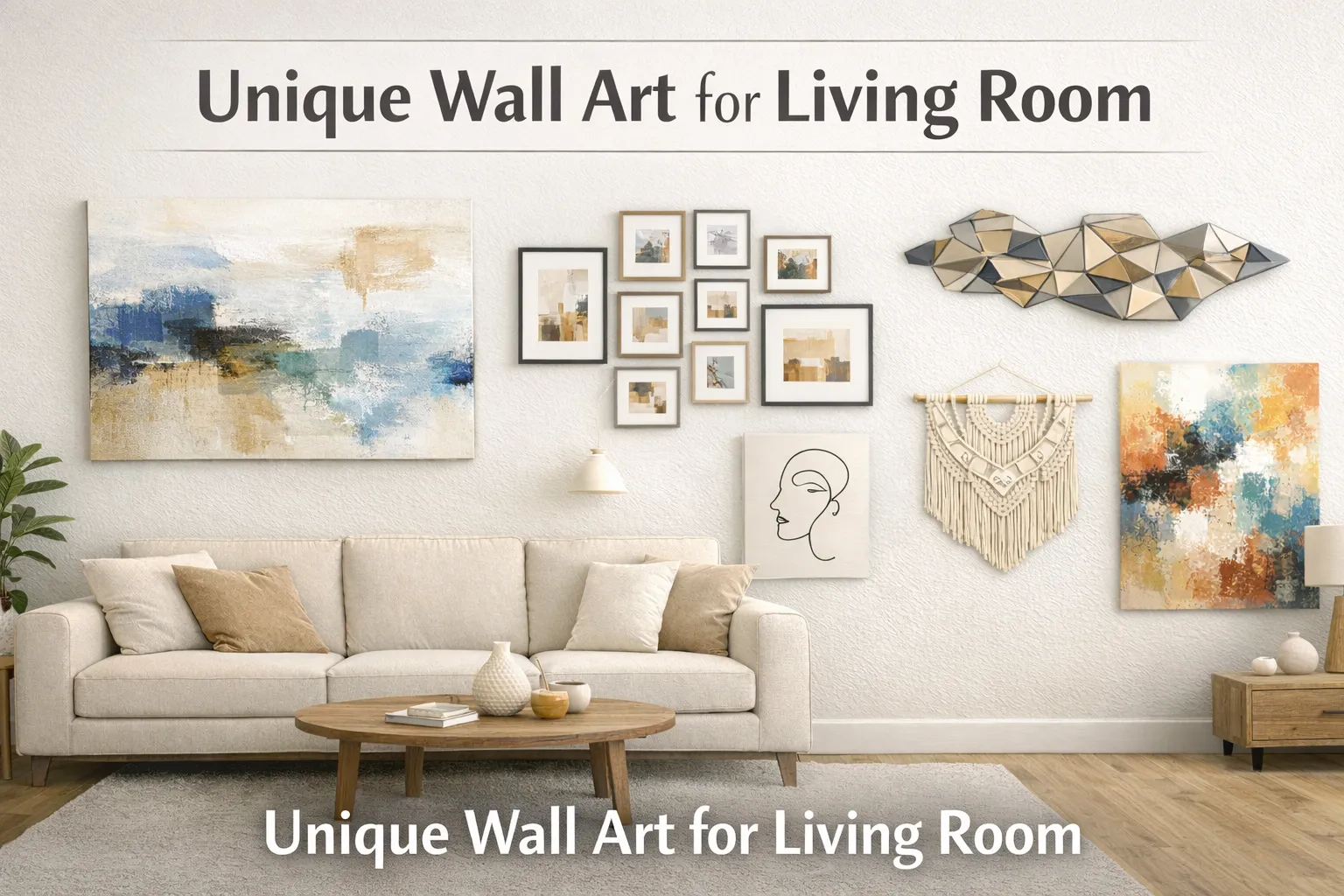
Bare walls can make a zone look cold and unfinished. Unique wall art for living room interiors helps solve this problem by adding personality, color, feeling, and optical balance.
Across Europe, designers treat wall art as an important design feature. From Scandinavian nature prints to Parisian gallery walls and large Italian paintings, artwork often defines the character of a living room.
This guide will show you creative wall art ideas, size and placement tips, European trends for 2026, DIY inspiration, and common decorating mistakes to shun.
Why Unique Wall Art Matters in Living Room Design
Many people think wall art is simply decorative. In reality, interior designers consider artwork an optical anchor that connects the entire room.
Without artwork, even expensive interiors may feel dry, lifeless, or incomplete.
Let’s explore why unique wall art for living room interiors plays such a critical role.
Creates a Powerful Visual Focal Point
Every well-designed living room requires a clear focal point.
A focal point is the element that soon takes the mind when someone enters the zone.
Common focal points include:
- Fireplaces
- Large windows
- Television walls
- Word wall art
In many modern European flats, fireplaces are less common. Instead, designers often use large-scale artwork as the central appeal.
Examples include:
- Oversize abstract paintings
- Sudden wall sculptures
- Bold gallery wall beauty
These pieces right away start a strong optical presence and guide the viewer’s eye across the room.
A fascinating focal point helps the full zone feel organized and intentional.
Reflects Personality and Lifestyle
Art is one of the most willful ways to express unity.
Unlike furniture, which often follows functional needs, artwork writes personal interests, life, and soul.
Your choice of artwork can reflect:
- Travel memories
- Cultural influences
- Artistic taste
- Personal passions
- Lifestyle preferences
For Example:
| Lifestyle | Typical Wall Art Choice |
| Travel lover | Vintage maps or travel photography |
| Nature enthusiast | Botanical illustrations |
| Minimalist | Simple line art prints |
| Creative personality | Bold abstract paintings |
This is why unique wall art for living room design often becomes the most personal and expressive feature of the home.
Adds Color, Texture, and Depth
Walls represent the largest optical surface in a room. Without decoration, they can appear plain and dull.
Artwork introduces essential design elements such as:
- Color contrast
- Geometrical structure
- Surface feeling
- Optical movement
For Instance:
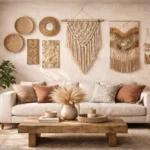
- A macramé wall hanging adds softness and tactile feeling.
- A metal wall sculpture reflects light and creates a dimensional bottom.
- An abstract painting introduces vibrant color power.
These covered design elements create a more dynamic and optically engaging climate.
Without them, living rooms may appear flat or uninspiring.
Balances Furniture and Architecture
Large furniture pieces such as sofas and factional often leave significant empty steep zones above them.
Artwork helps solve this problem by optically balancing furniture proportions.
It can:
- Fill empty wall areas
- Connect furniture pieces optically
- Create architectural peace
Interior designers often follow this classic proportion rule:
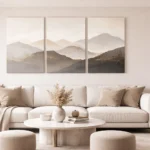
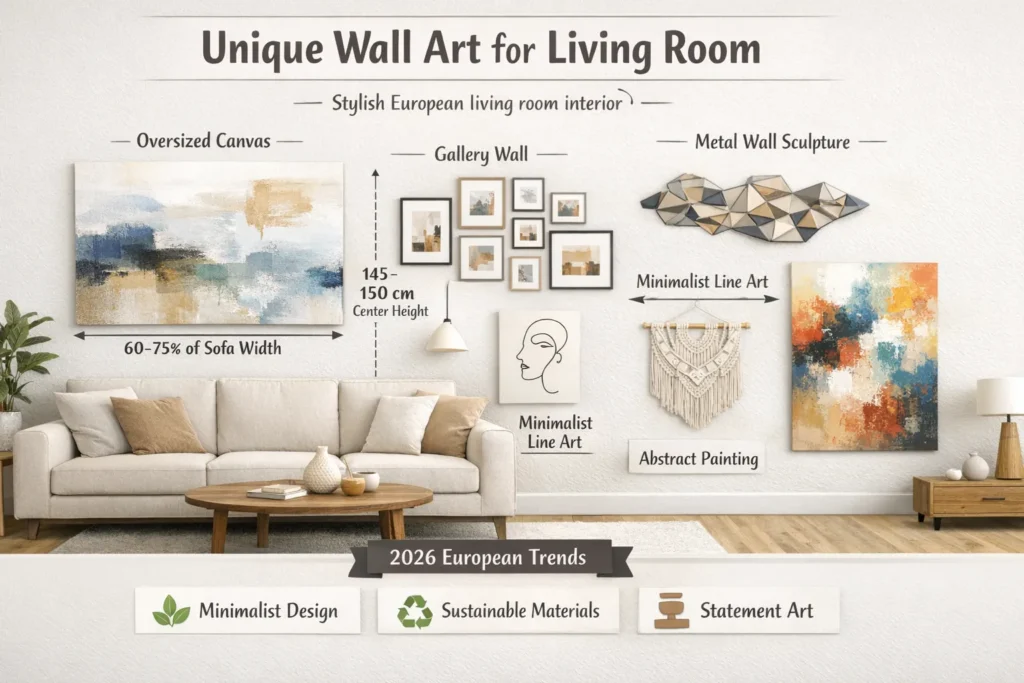
Artwork width = 60–75% of sofa width
This formula ensures the artwork looks balanced rather than too small or vast.
25 Unique Wall Art Ideas for Living Room
Below are some of the most creative and stylish wall art ideas used in modern European interiors.
These designs help transform ordinary walls into gripping optical words.
Oversized Statement Art
Large-rate artwork creates an urgent optical impact.
Instead of multiple small frames, one oversized canvas can greatly transform an full wall.
Popular features include:
- Bold color palettes
- Abstract compositions
- Vivid brush strokes
Oversize art works beautifully in:
- Modern flats
- Minimalist homes
- Luxury interiors
It is notably effective above sofas or fireplaces.
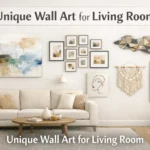
Gallery Wall Displays
Gallery walls are one of the most popular showy trends across Europe.
A gallery wall consists of a curated collection of framed artworks arranged together.
Typical combo include:
- Travel photographs
- Example prints
- Typography posters
- Small paintings
- Artistic sketches
Gallery walls allow owners to tell optical stories through art.
Sculptural Metal Wall Art
Metal wall decor introduces a three-spatial artistic effect.
It is especially popular in:
- Industrial interiors
- New flats
- Urban loft zones
Common styles include:
- Geometrical metal patterns
- Nature-inspired metal leaves
- Abstract steel sculptures
Metal artwork also reflects light, adding subtle movement and bottom.
Textured Macramé Wall Hangings
Textile art offers passion and softness into a living room.
Macramé wall hangings are commonly used in:
- Scandinavian interiors
- Bohemian homes
- Cozy natural zones
These handcrafted pieces are often made from:
- Cotton rope
- Wool fibers
- Natural materials
They complement wooden furniture and neutral color palettes beautifully.
Modern Minimalist Line Art
Minimalist line art is a major European interior trend.
These artworks feature simple stable line drawings such as:
- Abstract faces
- Human figures
- Botanical shapes
Benefits include:
- Clean optical aesthetics
- Timeless style
- Easy color coordination
Line art fits perfectly in Nordic-inspired interiors.
Vintage Maps and Travel Art
Travel-themed artwork adds history and storytelling to a living room.
Examples include:
- Vintage world maps
- City blueprint art
- Travel photography
These pieces are ideal for zones with cultural or historical character.
LED Wall Art Installations
LED wall art merges technology and design.
Examples include:
- Glowing geometrical designs
- LED sculptures
- Illuminated line art
These installations are becoming more popular in modern urban flats.
Floating Art Shelves
Floating shelves provide a different way to display art.
Instead of hanging frames directly on the wall, artwork can be covered on shelves.
Advantages include:
- Easy artwork rotation
- Added bottom and dimension
- Flexible styling
Designers often combine:
- Art prints
- Decorative books
- Small sculptures
Abstract Canvas Paintings
Abstract art brings energy and creativity into living rooms.
Popular abstract styles include:
- Color field painting
- Geometrical abstraction
- Expressionist brushwork
Because abstract art is skilled, it complements many interior styles.
Botanical Wall Art
Nature-inspired art introduces calmness and vigor.
Common cargo include:
- Tropical leaves
- Botanical sketches
- Floral watercolor paintings
This style works well in eco-friendly or natural interiors.
Comparison Table: Popular Living Room Wall Art Styles
| Wall Art Style | Best For | Interior Style | Visual Impact | Maintenance |
| Oversize Canvas | Large living rooms | Modern / Luxury | Very High | Low |
| Gallery Wall | Personal storytelling | Eclectic / Classic | Medium | Medium |
| Metal Wall Art | Industrial interiors | Urban / Modern | High | Low |
| Macramé Wall Art | Cozy homes | Bohemian / Scandinavian | Medium | Low |
| LED Wall Art | Modern apartments | Futuristic | Very High | Medium |
| Abstract Art | Creative spaces | Minimalist | High | Low |
How to Choose the Perfect Wall Art for Your Living Room
Choosing artwork requires more than selecting something optically appealing.
Professional designers evaluate:
- Style compatibility
- Size and scale
- Color harmony
- Spatial balance
Matching Art with Furniture Style
Your artwork should complement the existing design style of the room.
| Furniture Style | Best Wall Art |
| Modern | Abstract paintings |
| Scandinavian | Minimalist line art |
| Classic | Traditional paintings |
| Industrial | Metal wall sculptures |
| Bohemian | Textile wall hangings |
Texture ensures the interior feels cohesive and harmonious.
Choosing the Right Size
One of the most common decorating mistakes is choosing art that is too small for the wall.
Interior designers typically follow these guidelines:
- Artwork width should be 60–75% of sofa width
- Artwork center should sit 145–150 cm from the floor
- Large walls require large-scale artwork
These rules help maintain balanced proportions.
Choosing Colors That Work
Artwork should either match or contrast with the room’s color scheme.
Two strategies are effective.
Match Existing Colors
Artwork includes colors already present in:
- Sofa fabric
- Area rug
- Decorative cushions
- Curtains
This approach creates optical peace.
Create Bold Contrast
Artwork can also introduce vibrant colors against neutral interiors.
Examples include:
- Beige room + colorful abstract painting
- Gray wall + gold metal sculpture
Contrast adds optical buzz.
Where to Hang Wall Art in a Living Room
Placement is just as important as the artwork itself.
Above the Sofa
This is the most common wall art placement.
Best options include:
- Oversize canvas art
- Gallery wall preparations
- Metal sculptures
Tip:
Leave 15–25 cm of zone between the sofa and artwork.
Accent Wall
An accent wall helps highlight artwork greatly.
Examples include:
- Dark paint colors
- Feeling wallpaper
- Decorative wall panels
This transforms the artwork into the centerpiece of the room.
Corner Gallery Walls
Corners are often overlooked zones.
Creating a corner gallery wall can:
- Maximize unused areas
- Add covered optical interest
- Expand decorative time
Living Room Wall Art Trends for 2026
Interior design trends evolve every year.
Here are some of the strongest European wall art trends for 2026.
Sustainable Wall Art
Eco-friendly design is becoming more important.
Artists now use materials such as:
- Recycled wood
- Reclaimed metal
- Natural fibers
This reflects the growing sustainability movement in European design.
Large Statement Pieces
Minimalist homes prefer fewer but larger artworks.
Instead of many small frames, designers choose:
- One oversize painting
- One large sculpture
This approach creates clean optical elegance.
Mixed Material Art
Modern artists more combine materials such as:
- Wood
- Metal
- Acrylic
- Fabric
These mixed-material artworks create layered sculptural bottoms.
Common Wall Art Mistakes to Avoid
Even beautiful art can look wrong if placed poorly.
Shun these common mistakes.
Hanging Art Too High
Artwork should be close to eye level.
Hanging art too high disconnects it from the furniture below.
Choosing Art That Is Too Small
Small artwork on large walls appears unbalanced.
Large zones require larger pieces.
Overcrowding Gallery Walls
Too many frames can create optical chaos.
Leave enough balance between artworks.
Ignoring Color Harmony
Artwork that clashes with the room’s color palette can rattle the design.
Always consider the overall color scheme.
DIY Unique Wall Art Ideas
DIY wall art allows owners to create personal and cheap decor.
Painted Canvas Art
Beginners can easily create abstract artwork using:
- Acrylic paints
- Palette knives
- Feeling brushes
Spray Paint Abstract Art
Modern DIY wall art can be created using:
- Spray paints
- Masking tape
- Layered color art
Handmade Macramé Wall Hanging
Macramé is a popular craft that adds handmade passion and feeling.
Framed Fabric Art
Beautiful fabrics can be framed as artwork.
This works well in:
- Scandinavian interiors
- Old Homes
Pros and Cons of Using Unique Wall Art in Living Rooms
| Pros | Cons |
| Adds personality | Large pieces may be expensive |
| Creates focal point | Poor placement can affect balance |
| Improves optical peace | Some styles change with trends |
| Enhances aesthetics | Gallery walls require planning |
| Tells personal stories | Quality artwork can be costly |
Frequently Asked Questions
A: Large word pieces, gallery walls, and abstract paintings are among the best choices because they create a strong focal point.
A: Interior designers recommend artwork that is about two-thirds the width of the sofa.
A: Yes. Abstract art works well because it adds color, movement, and emotional energy without clashing with furniture styles.
A: Artwork does not need to match exactly, but it should complement the room’s color palette and design style.
A: It depends on room size. Many modern interiors prefer one large word piece or a select gallery wall.
Conclusion
Unique wall art for living room interiors is one of the most powerful runes in interior design. It transforms blank walls into expressive optical words that relate personality, culture, and creativity.
From oversize abstract paintings to sculptural metal decor, gallery walls, and Scandinavian minimalist prints, the possibilities are nearly limitless.
When selected carefully, wall art can:
- Create a strong focal point
- Balance furniture and building
- Add color and feeling
- Express personal identity
By kindly size rules, pacing art, color peace, and modern European design trends, you can design a living room wall that feels both creative and fully balanced.
Whether your taste leans toward minimalist elegance, old charm, or bold new art, the most important rule is simple:
Choose artwork that tells your story and add to the air of your home.