Introduction
Imagine a room. What stands between spaces isn’t only structure – it tells stories too. These surfaces carry mood, taste, and glimpses of personality. Folks shaping living areas, those sketching blueprints, even weekend DIYers with paint-stained hands – they chase texture, depth, character. Blank coats of flat color? That idea feels tired now.
Walls gain character when touched with texture. Not just decoration – this adds layers, almost like the surface breathes. Light dances differently across ridges and grooves. Shadows stretch and soften where fingers might trace. Done well, the wall stops being a boundary – it becomes quiet art.
Light fills many European homes, where simplicity meets quiet charm. Bright spaces feel inviting, though bare walls sometimes lack character. Texture brings life to flat surfaces, shifting the mood entirely. A touch of depth turns plain into something warm, even striking. Fancy need not shout – soft details whisper it instead. Something about how a wall feels catches attention. That roughness, that bump – folks notice it when they walk by.
This guide is your complete companion for mastering art wall texture in 2026. You will learn:
Definitions and principles of art wall texture
Essential materials and instruments
Step-by-step techniques for various textures
DIY projects for beginners and experts
Room-specific texture strategies
European interior examples
Emerging 2026 trends
Maintenance, durability, and care tips
Answers to frequently asked questions
Let’s embark on this journey to transform your walls into expressions of art.
What Is Art Wall Texture?
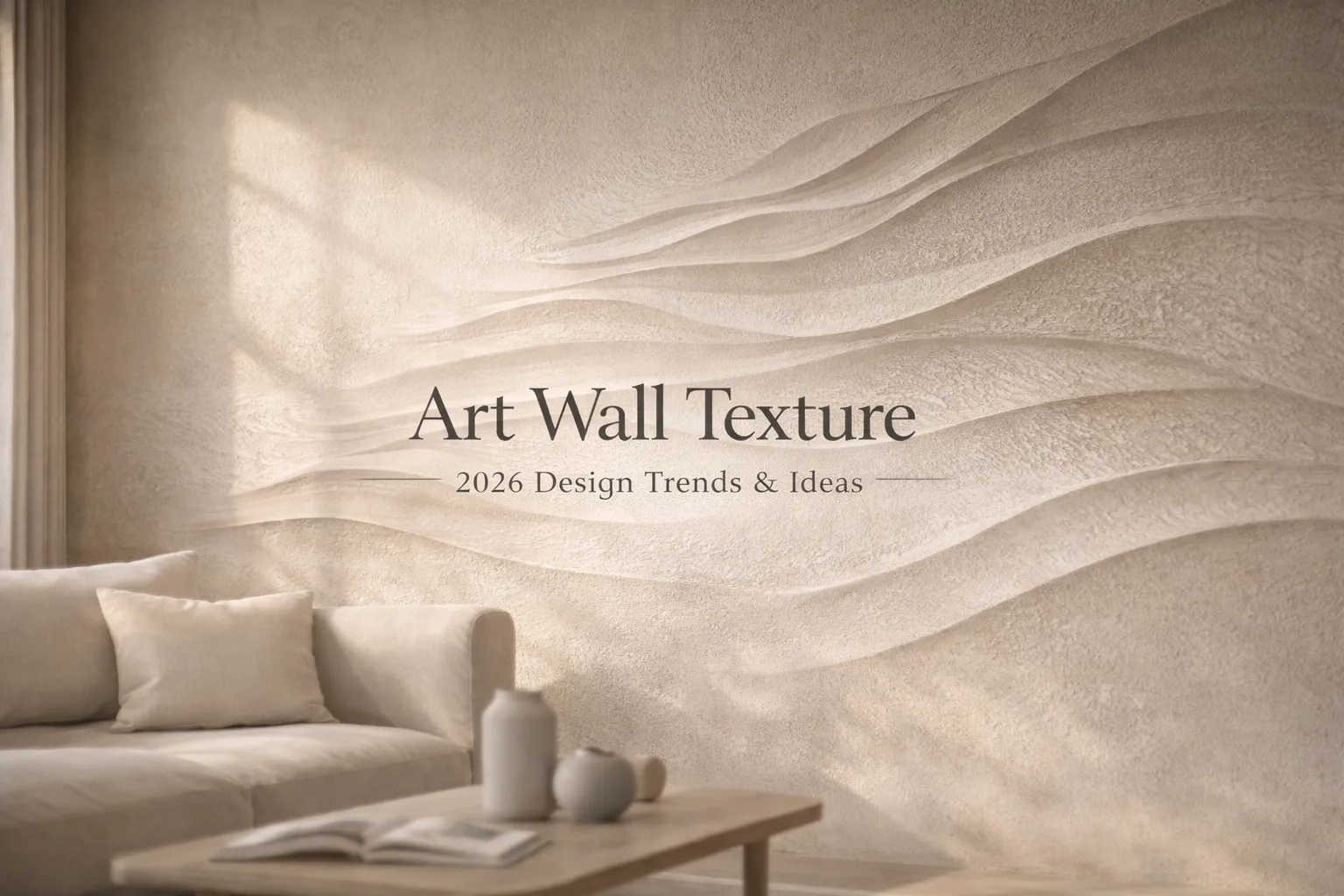
Texture on art walls means adding built-up areas, carved designs, or special surface treatments that create both look and feel. Instead of smooth color, these walls catch light differently, showing shifts when touched or viewed from angles. A raised line here, a rough patch there – each part draws attention through shadow and form. They do more than sit still; they shift under changing light, inviting closer inspection without saying so.
Core Components of Art Wall Texture
| Element | Definition | Impact |
| Raised surfaces | Plaster, thick paints, or modeling compounds | Creates shadows and dimensionality |
| 3D patterns | Sculpted designs, carved motifs, or relief panels | Adds visual intrigue and focus |
| Mixed media | Combinations of sand, fabric, stone, or metallic inserts | Imparts natural or eclectic appeal |
| Tactile finishes | Ridges, waves, or irregularities in surface | Invites touch, making the wall interactive |
Why Texture Matters in European Interiors:
Most folks ignore their role. Still, across today’s Europe, they whisper the tone – linking colors, objects, where light moves, even how air sits in corners. When surfaces carry a hand-drawn line or soft texture, things shift. Plain rooms grow hushed grace without trying.
Why Texture Is Essential in Wall Design
Every interior space carries an emotional narrative. Textured walls elevate this narrative by introducing visual rhythm, shadow play, and sensory richness that plain paint cannot achieve.
Advantages of Textured Walls
Adds dimensionality — The interplay of layers makes rooms appear expansive and multi-dimensional.
Dynamic lighting effects — Surfaces capture natural and artificial light differently throughout the day.
Sets ambiance — Coarse feeling energize; smooth, soft textures instill serenity.
Creates focal areas — Highlight living zones or architectural features.
Complements décor — Harmonizes furniture, hues, and stylistic choices.
Illustrative Example:
Warmth slips into quiet Nordic rooms when smooth plaster wraps bare walls. Flat surfaces lose their chill through gentle texture, keeping things clean but never cold. Elegance stays sharp even as comfort settles in like afternoon light.
Popular Materials for Wall Texture
Choosing the correct material is crucial. European designers often consider not just aesthetics but durability, room function, and maintenance.
| Material | Description | Ideal European Style | Longevity |
| Paint & Impasto | Thick layers of acrylic or oil paints | Modern, Scandinavian | High |
| Textured Plaster | Sculpted or molded plaster | Minimalist, French Classic | Medium–High |
| Mixed Media | Sand, textiles, stones, or metallic fragments | Rustic, Bohemian, Contemporary | Medium |
| Wallpaper & Panels | 3D wallpapers or modular panels | Nordic, Industrial | High |
| Resin & Glass | Transparent or tinted layers | Luxury interiors | High but fragile |
Pro Tip: Select materials considering ambient humidity, room dimensions, and overall style. Moisture-prone areas require sealants or waterproof finishes for longevity.
Top Techniques to Create Art Wall Texture
There are diverse methods to bring walls to life. Here are some of the most effective and popular strategies.
Impasto Technique
Definition:
Impasto involves applying thick, viscous paint that protrudes from the surface, creating a palpable texture.
Best Applications:
Feature walls, gallery-style focal points, or dramatic accent pieces.
Procedure:
Use a palette knife to layer heavy paint.
Sculpt peaks and valleys.
Apply multiple color layers for bottom and variation.
Sgraffito
Definition:
Derived from traditional European art, Sgraffito involves scratching through a top layer to reveal contrasting layers beneath.
Optimal Use:
Classic interiors or rooms requiring subtle historical nuance.
Steps:
Apply a base coat.
Layer a contrasting color on top.
Scratch patterns, simple or elaborate, to expose the underlying layer.
Rag Painting Definition:
A technique using cloths to dab, lift, or smooth glaze over a painted wall, creating soft, ethereal patterns.
Best for:
Bedrooms, meditation spaces, or serene European-inspired living areas.
Effect:
Gentle color shifts, light diffusion, and a cozy, clouded ambiance.
Plaster Sculpting
Definition:
Adding or carving plaster for sculpted waves, ridges, or geometric patterns.
Best Use:
Luxury apartments, gallery-style walls, or hotel lobbies.
Impact:
Creates a pronounced interplay of light and shadow for dramatic visual appeal.
Mixed Media Layering
Definition:
Combining elements such as sand, fabric, stones, metals, or even organic elements for complex climax
Ideal Zones:
Industrial lofts, bohemian studios, or eclectic European interiors.
Outcome:
A natural, rich feeling that is unique and tactile.
Choosing the Ideal Wall Texture for Your Room
Not every texture suits everyone. Consider these guiding questions:
- Room Function:
High-Traffic or energetic zones → bold, coarse feeling.
Relaxing zones→ smooth, subtle finishes. - Lighting Conditions:
Abundant natural light → deep feelings thrive.
Dim areas → soft feeling, possibly enhanced with artificial lighting. - Wall Dimensions:
Expansive walls → bolder patterns.
Compact rooms → gentle or small-scale textures to avoid visual clutter. - Décor Compatibility:
Harmonize with furniture, flooring, color palette, and accessories. - Budget Considerations:
DIY plaster and paint → economical.
Resin, sculpted panels, or professional mixed media → premium investment.

Step-by-Step DIY Wall Texture Projects
DIY Impasto Canvas Wall Art
Materials:
Canvas
Thick acrylic paints
Palette knife
Sealant
Steps:
- Prime the canvas.
- Apply thick paint using palette knives.
- Build layers for volume and shadow.
- Allow slow drying to prevent cracks.
- Seal with clear coating for longevity.
Result:
A bold, contemporary wall piece suitable as a statement artwork.
DIY Rag Painting Tutorial
Materials:
Base color + glaze
Soft cloths
Brush
Steps:
- Paint the wall with the base coat.
- Work in small sections, applying glaze.
- Use a cloth to lift, dab, or smooth textures.
- Blend edges for a seamless effect.
Result:
A warm, soft, and inviting surface ideal for intimate spaces.
Chapter 7 — Room-Specific Art Wall Texture Concepts
| Room | Texture Idea | Color Scheme | European Style |
| Living Room | Statement texture wall | Earth tones, neutrals | Scandinavian/Minimalist |
| Bedroom | Gentle plaster waves | Pastels, soft white | French/Nordic calm |
| Office | 3D geometric panels | Monochrome with accent colors | Modern European |
| Kitchen | Textured backsplash panels | Stone, metal | Industrial European |
| Hallway | Vertical murals or layered textures | Gradient hues | Luxury/Minimalist |
European Art Wall Texture Trends in 2026
AI-Generated Patterns
Designers employ AI tools to create customized wall textures and previews before implementation.
Eco-Friendly Materials
Sustainable plaster, recycled glass, and natural pigments dominate European interiors as eco-conscious choices surge.
Mixed Media Installations
Combinations of stone, metal, and textiles create visually rich, tactile walls.
Minimalist 3D Panels
Geometric, understated 3D surfaces offer elegance without overwhelming simplicity.
Integrated Smart Lighting
LEDs accentuate textured walls, highlighting their dimensionality and curves.
Trend Insight: Even complex textures are balanced with neutral furnishings and restrained décor in modern European spaces.
Maintenance and Longevity
Textured walls require upkeep to retain their aesthetic value.
Key Practices:
Apply sealants to plaster, paint, or mixed media textures.
Dust surfaces lightly with microfiber cloth.
Avoid abrasive cleaning agents.
Repair minor damages with matching material blends.
Climate Considerations:
High Humidity can degrade plaster or paint. Ensure proper ventilation and moisture-resistant finishes, especially in coastal regions.
Pros & Cons of Art Wall Texture
Advantages:
Provides dimensional richness.
Expresses individual creativity.
Compatible with various interior design themes.
Enhances elegance and sophistication.
Disadvantages:
Professional installation can be expensive.
Certain textures require regular attention.
DIY projects may be time-intensive.
FAQs
A: Yes, with thick-nap rollers or brushes to reach deeper textures.
A: Rag painting and light impasto are accessible for beginners.
A: Yes — choose subtle patterns to avoid visual overcrowding.
A: With appropriate sealing and maintenance, textures can last 10–15 years or longer.
Conclusion
A fresh coat of imagination begins where flat walls end. Plaster swirls, brushstrokes with rhythm, raised patterns carved slowly – each surface tells without speaking. Texture slips quietly into a room, bringing shadow play and quiet boldness. Some methods arrive pre-made; others unfold slowly through hands at work. A whisper of old-world charm settles when layers build under light. Rooms breathe differently once skin changes.
By leveraging this 2026 guide, you can:
Select materials aligned with style and climate
Learn and apply multiple techniques
Design textures for every room
follow european trends
Maintain surfaces for long-lasting beauty
Your walls can sing with character when crafted like artwork. Let each surface unfold a mood, not just decor. Style finds its voice where detail meets intention. Elegance lives in choices that linger beyond trends. A room breathes easier when surfaces tell stories worth keeping.