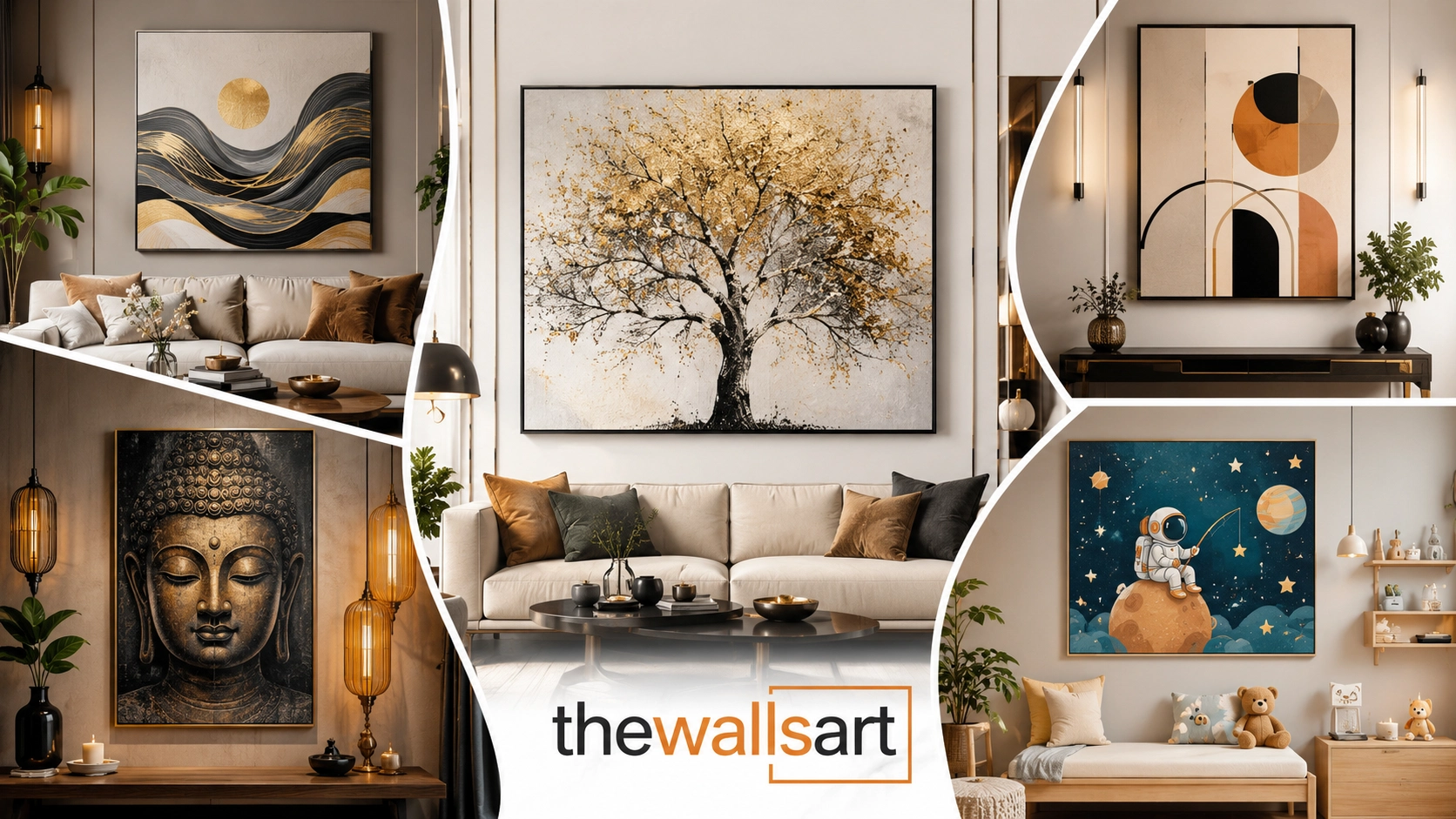
Introduction
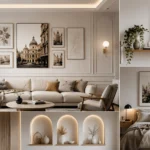
Interior Wall Art has become one of the most powerful elements in modern home design. It is no longer just decoration placed on empty walls—it defines emotion, identity, and atmosphere within a space. Whether you live in a compact apartment in Europe or a spacious modern home elsewhere, wall art is what transforms plain walls into meaningful visual experiences.
In 2026, interior design trends across Europe are shifting toward emotional minimalism, natural textures, and storytelling through art. Homes in countries like Sweden, France, Germany, and Italy are embracing clean aesthetics where every artwork has purpose and balance. Instead of cluttered decor, people now prefer intentional wall styling that reflects personality and calmness.
This guide explores everything about Interior Wall Art—from psychology and placement rules to European trends, room-by-room ideas, and expert styling strategies. You’ll learn how to choose, position, and combine wall art like a professional interior designer.
What is Interior Wall Art?
Interior wall art refers to any visual or artistic element used on walls to enhance the aesthetic, emotional, and spatial quality of an interior environment.
It includes:
- Canvas paintings
- Framed prints
- Photography artwork
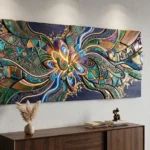
- Abstract compositions
- Typography art
- Digital printable designs
- Sculptural wall décor
Unlike traditional decoration, interior wall art is deeply connected with psychology and spatial harmony. It influences how a room feels, not just how it looks.
European Influence on Interior Wall Art
European interior design plays a major role in shaping global wall art trends. Each region contributes a unique design philosophy:
- Sweden → Minimalist, light-filled Scandinavian simplicity
- Denmark → Hygge-inspired cozy aesthetics
- France → Elegant, artistic, and emotionally expressive interiors
- Italy → Luxury-driven, bold artistic heritage
- Germany → Functional, structured, modern minimalism
- Spain → Warm Mediterranean tones and cultural vibrancy
- Netherlands → Clean, modern, and experimental design thinking
Across Europe, the core philosophy is simple:
“Less decoration, more meaning.”
Why Interior Wall Art Matters in Modern Homes
Interior wall art plays a deeper role than most people realize.
Emotional Impact
- Creates mood and atmosphere
- Reduces visual emptiness
- Influences relaxation or energy levels
Spatial Function
- Defines focal points
- Balances room proportions
- Enhances architectural structure
Personal Expression
- Reflects personality
- Tells visual stories
- Adds uniqueness to interiors
In modern European homes, wall art is considered the “final layer of identity” in interior design.
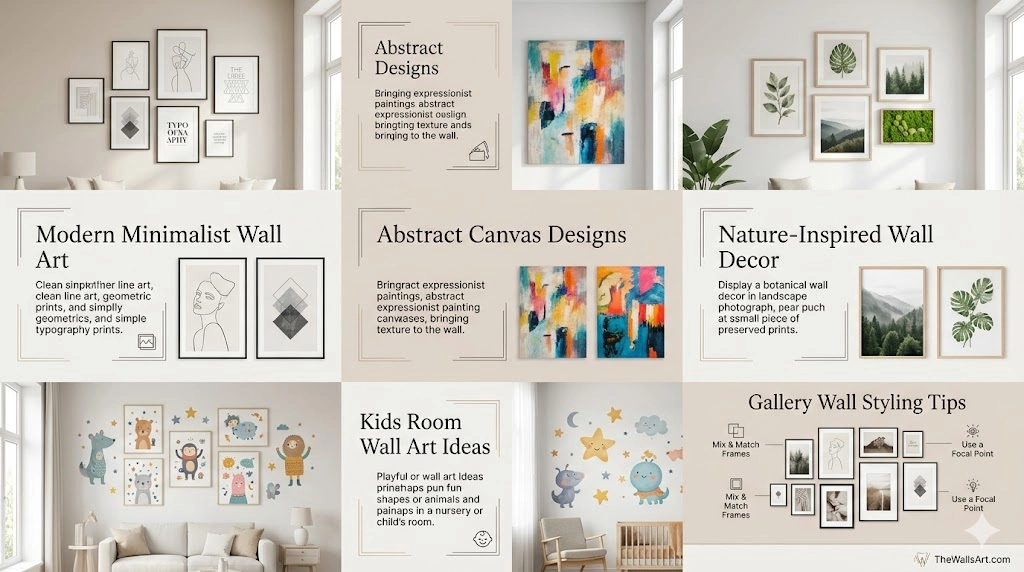
2026 Interior Wall Art Trends
| Trend | Description | Best For |
| Minimalist Abstract Art | Soft shapes, neutral tones | Modern apartments |
| Nordic Neutral Palette | Beige, grey, white dominance | Scandinavian interiors |
| Oversized Statement Art | One large focal piece | Living rooms |
| Nature-Inspired Designs | Botanical & landscape themes | Bedrooms |
| Digital Printable Art | Affordable modern decor | Budget homes |
Room-by-Room Interior Wall Art Ideas
The living room is the heart of the home. It demands a strong visual identity.
Best Options:
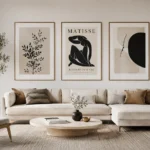
- Large abstract canvas above sofa
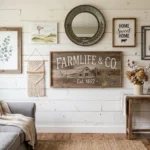
- Gallery wall with mixed frames
- Black & white photography sets
- Modern minimalist line art
European Style Insight:
Homes in Switzerland and Austria often prefer neutral tones with one bold artwork as a focal point.
Bedroom Wall Art Ideas
Bedrooms require calm and emotional softness.
Best Choices:
- Soft pastel art
- Nature-inspired prints
- Minimal line drawings
- Abstract calming visuals
Psychological Tip:
Blue and green tones reduce stress and improve sleep quality.
Kitchen Wall Art Ideas
Kitchens benefit from light, playful creativity.
Ideas:
- Typography prints (Eat, Enjoy, Gather)
- Food illustrations
- Small framed sets
- Vintage culinary art
Kids Room Wall Art Ideas
- Animal illustrations
- Educational alphabet posters
- Cartoon-style art
- Colorful storytelling prints
How to Choose the Perfect Interior Wall Art
Match Color Palette
Your wall art must harmonize with furniture tones.
Understand Wall Size
- Large walls → oversized artwork
- Small walls → minimal frames
Choose Style Direction
- Modern homes → abstract/minimal
- Classic homes → landscape/realism
Maintain Visual Balance
Avoid overcrowding. Empty space is part of design.
Wall Art Psychology
Colors directly influence human emotions:
- Blue → Calmness & focus
- Green → Balance & relaxation
- Yellow → Energy & positivity
- Black & white → Sophistication
- Earth tones → Warmth & stability
Interior designers across the United Kingdom often use psychology-driven wall placement in modern apartments.
Common Interior Wall Art Mistakes
- Hanging art too high
- Using too many small frames
- Ignoring lighting conditions
- Mixing conflicting styles
- Choosing random colors without theme
Luxury vs Budget Wall Art Styling
Budget Style:
- Printable digital art
- Simple frames
- DIY wall galleries
Luxury Style:
- Large canvas artwork
- Metal or wood frames
- Museum-style spacing
- Layered lighting effects
Pros & Cons
Pros:
- Enhances home aesthetics
- Improves emotional environment
- Affordable transformation tool
- Easy to update styles
Cons:
- Poor placement can ruin design balance
- Overuse creates visual clutter
- Wrong sizing affects proportions
Wall Placement Rules
- Eye level placement = ideal height
- Sofa width alignment = balanced living room look
- Center symmetry = luxury feel
- Avoid floating art too high
Expert Styling Tips
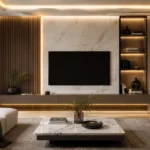
- Use LED backlighting for premium effect
- Mix textures (canvas + wood + metal)
- Stick to one theme per room
- Use negative space intentionally
- Create visual storytelling walls
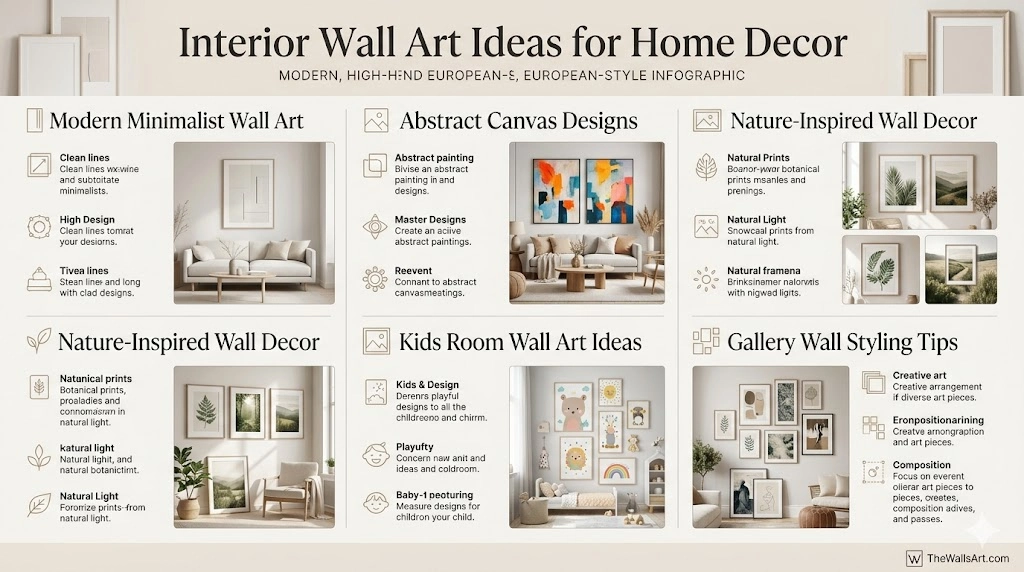
Minimalist vs Maximalist Wall Art
Minimalist Style:
- Clean lines
- Neutral tones
- Single focal point
Maximalist Style:
- Bold colors
- Layered frames
- Artistic chaos with balance
European homes in Norway often lean toward minimalism, while Portugal embraces warmer expressive styles.
Maintenance & Durability Tips
- Avoid direct sunlight exposure
- Use moisture-resistant frames
- Clean surfaces gently
- Rotate artwork seasonally
People Also Ask
Minimalist and abstract styles work best because they create clean visual balance and suit most modern interiors. They also adapt easily to changing furniture styles.
A simple rule: large walls need oversized art, while small walls need compact or grouped frames. Always match artwork width with furniture below it.
Yes, but in a more refined form. Instead of cluttered frames, modern gallery walls now focus on symmetry, spacing, and consistent color themes.
Neutral tones like beige, grey, white, and soft pastels dominate European interiors, while accent colors like deep green or navy are used for contrast.
Yes, well-designed interiors with curated wall art improve perceived property value by enhancing emotional appeal and visual aesthetics.
Conclusion
Interior Wall Art is more than decoration—it is a visual language that defines how a home feels and communicates personality. From minimalist Scandinavian homes to luxurious Italian interiors, wall art plays a central role in shaping modern living spaces.
In 2026, the strongest trend is intentional design: choosing artwork that reflects emotion, balance, and harmony rather than filling empty walls randomly. Whether you prefer bold statement pieces or subtle minimalist prints, the key is alignment with space, light, and lifestyle.
At TheWallsArt.com, exploring interior wall art means discovering how design transforms everyday living into something meaningful. Continue exploring more guides to build a home that feels truly personal, aesthetic, and timeless.