Introduction
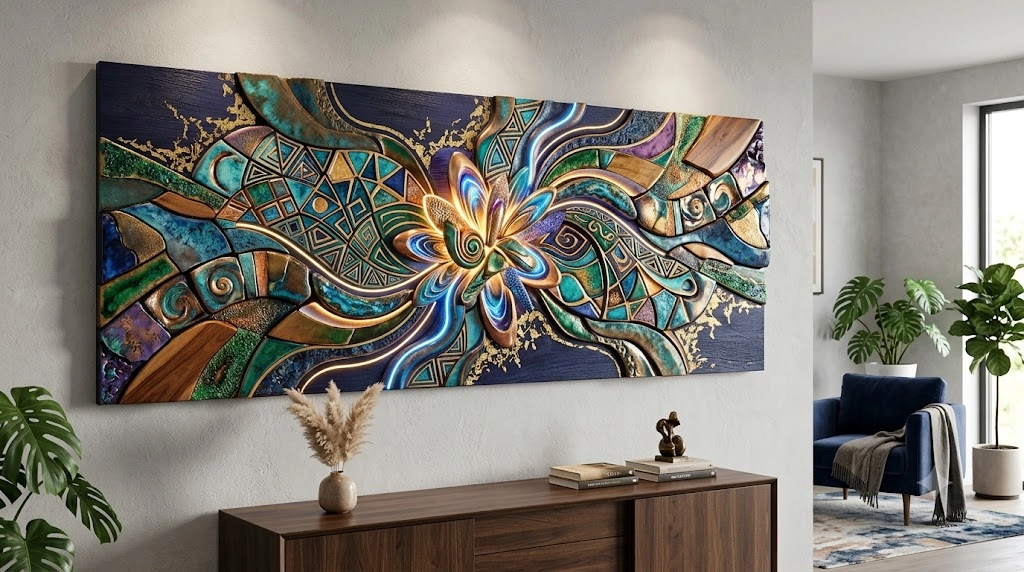
In modern interior design, Wall Art Decor has become more than just decoration—it is a reflection of identity, mood, and lifestyle. Across Europe and global design studios, walls are no longer treated as empty backgrounds but as expressive storytelling surfaces that define a home’s personality.
From minimalist Scandinavian apartments in Sweden to luxurious Parisian interiors in France, wall art decor plays a central role in shaping emotional atmosphere and visual harmony. It transforms plain spaces into curated environments filled with meaning, balance, and elegance.
In 2026, design trends are shifting toward intentional simplicity, cultural aesthetics, and personalized wall styling. People are no longer choosing random artwork; instead, they are selecting pieces that connect with architecture, lighting, and emotional tone.
This guide explores everything you need to know about wall art decor—from modern trends and European influences to placement rules, room-by-room styling, and expert design psychology.
What is Wall Art Decor?
Wall art decor refers to artistic and decorative elements displayed on interior walls, including paintings, prints, canvases, murals, sculptures, and mixed-media installations.
But in modern design philosophy, it goes far beyond decoration.
Core purposes of wall art decor:
- Enhances emotional atmosphere of a room
- Adds depth and personality to interiors
- Creates visual balance with furniture
- Acts as a focal storytelling point
- Elevates simple spaces into luxury environments
In European interior design, wall art is considered the “final layer” of styling—similar to how accessories complete a fashion outfit.
Why Wall Art Decor Matters in Interior Design
Wall art is not optional in well-designed spaces—it is essential.
Psychological impact:
- Soft abstract art calms the mind
- Bold colors energize a room
- Nature-inspired art reduces stress
- Symmetrical designs create stability
Design impact:
- Breaks empty wall monotony
- Connects furniture with architecture
- Defines style identity (modern, rustic, luxury, etc.)
- Improves perceived home value
Interior designers across Europe use wall art as a strategic design tool rather than an afterthought.
Modern Wall Art Decor Trends 2026
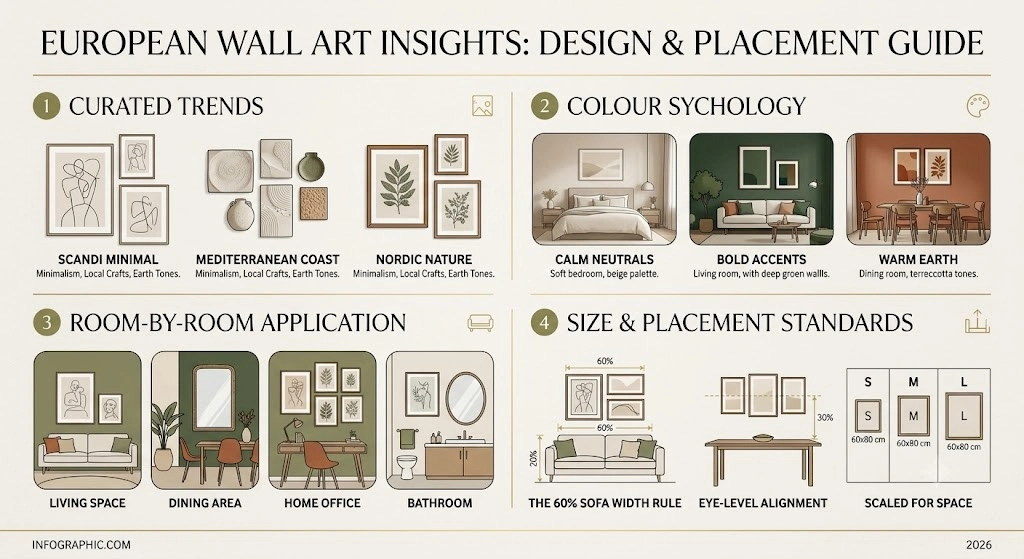
Interior design in 2026 is defined by emotional minimalism, natural textures, and cultural storytelling.
Minimalist Wall Art Style
Minimalism focuses on simplicity, negative space, and neutral tones.
- Black line sketches
- Beige and white abstract forms
- Soft geometric compositions
Popular in Scandinavian Interiors across Sweden, Norway, and Denmark.
Abstract Wall Art Decor
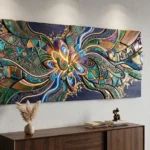
Abstract art continues to dominate modern homes due to its flexibility.
- Emotional interpretation
- Non-representational design
- Bold brush textures
Perfect for living rooms and creative workspaces.
Luxury European Wall Art Trends
Luxury interiors in countries like France, Italy, and Switzerland focus on refined elegance.
- Gold-accent frames
- Classical-inspired artwork
- Architectural sketches of European landmarks
- Soft vintage tones
Nature-Inspired Art Themes
Inspired by Nordic and Mediterranean aesthetics:
- Botanical illustrations
- Forest landscapes
- Ocean and coastal visuals
- Organic textures
These designs bring calmness and natural balance into interiors.
Wall Art Decor Ideas for Every Room
Different rooms require different emotional tones and visual balance.
Living Room Wall Art Ideas
The living room is the heart of the home.
Best choices:
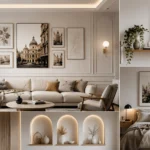
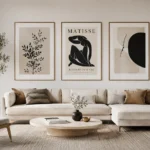
- Large abstract canvas above sofa
- Triptych (3-panel) wall sets
- Black & white photography walls
- Oversized statement art pieces
European inspiration:
In Germany and Netherlands, living rooms often use minimal large-scale art instead of multiple small frames for a clean aesthetic.
Bedroom Wall Art Decor Ideas
Bedrooms need emotional softness and calm energy.
Ideal styles:
- Pastel watercolor art
- Nature landscapes
- Minimal typography art
- Soft abstract shapes
Avoid overly bright or aggressive visuals.
Kitchen Wall Decoration Ideas
Kitchens benefit from light and playful visuals.
- Coffee-themed prints
- Herb illustrations
- Vintage culinary sketches
- Mediterranean fruit art (popular in Spain and Greece)
Hallway & Entryway Wall Art
First impressions matter.
- Vertical gallery walls
- Narrow framed art sets
- Bold statement piece at entrance
Wall Art Size, Placement & Balance Guide
| Wall Type | Recommended Art Size | Placement Style | Best Example |
| Large living room wall | Oversized (100–180 cm) | Centered above sofa | Abstract canvas |
| Bedroom Wall | Medium (60–120 cm) | Above headboard | Soft pastel art |
| Hallway | Small vertical frames | Gallery alignment | Minimal prints |
| Dining area | Wide horizontal art | Eye-level placement | Landscape art |
How to Choose the Perfect Wall Art Decor
Size Rules
- Small art on large walls looks weak
- Oversized art creates luxury impact
- Group frames for medium walls
Color Matching Techniques
- Match art with sofa cushions or rugs
- Use complementary contrast colors
- Stick to 2–3 dominant tones
Placement & Balance Rules
- Center artwork at eye level
- Maintain equal spacing
- Align with furniture width
Common Wall Art Mistakes to Avoid
Many interiors fail due to simple styling errors.
Choosing too small artwork
Hanging art too high
Overcrowding multiple frames
Ignoring wall color harmony
Mixing too many styles randomly
European Wall Art Styling Inspiration
Scandinavian Design (Sweden, Norway, Denmark)
- Clean, neutral palettes
- Minimal black line art
- Functional simplicity
French Interior Aesthetics
- Elegant vintage frames
- Soft romantic artwork
- Balanced symmetry
Italian Luxury Decor
- Bold artistic statements
- Classical influence
- Rich textures and gold accents
Mediterranean Style (Spain, Greece, Portugal)
- Warm tones
- Coastal landscapes
- Natural textures
Wall Art Decor Styles Comparison
| Style | Mood | Best For | Key Feature |
| Minimalist | Calm & clean | Small apartments | Simple lines |
| Abstract | Creative | Living rooms | Emotional expression |
| Luxury | Elegant | Villas & premium homes | Gold & symmetry |
| Rustic | Warm | Country homes | Wood & earthy tones |
| Scandinavian | Balanced | Modern flats | Neutral simplicity |
Expert Tips for Perfect Wall Styling
- Always design walls after furniture placement
- Use lighting to enhance artwork depth
- Combine textures (wood, canvas, metal)
- Keep negative space for visual breathing
- Think of walls as storytelling surfaces
Budget vs Luxury Wall Art Decor
Budget Styling:
- Printable art
- Simple frames
- DIY canvas prints
- Poster sets
Luxury Styling:
- Hand-painted artworks
- Designer frames
- Mixed media installations
- Custom European-inspired pieces
Maintenance & Durability Tips
- Avoid direct sunlight exposure
- Use anti-glare glass for frames
- Clean dust weekly with microfiber cloth
- Keep away from moisture-heavy walls
People Also Ask
A:Focus on wall size, sofa width, and color palette. Large abstract pieces work best for modern living rooms because they create balance and visual focus.
A:The ideal size is about two-thirds of the sofa width. This creates proportional balance and avoids empty wall space.
A:Minimalist designs, abstract compositions, and European-inspired luxury aesthetics are leading trends this year.
A:Choose either complementary tones or soft contrast colors. Avoid matching everything exactly, as slight contrast creates depth.
A:Yes, small apartments benefit greatly from vertical art, light colors, and minimal frames that create the illusion of space.
Conclusion
Wall Art Decor is one of the most powerful tools in interior design, capable of transforming even the simplest space into a visually rich and emotionally engaging environment. Whether you prefer modern minimalism, European luxury, or natural Scandinavian aesthetics, the right wall styling defines your home’s personality.
In 2026, the key trend is intentional design—choosing artwork that reflects emotion, structure, and cultural inspiration rather than random decoration.
By applying the principles of size balance, color psychology, and placement rules, you can elevate any room into a curated design experience.
For more expert interior insights, explore additional guides on TheWallsArt.com and continue building a home that feels timeless, elegant, and deeply personal.