Introduction
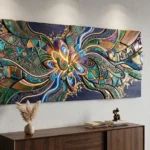
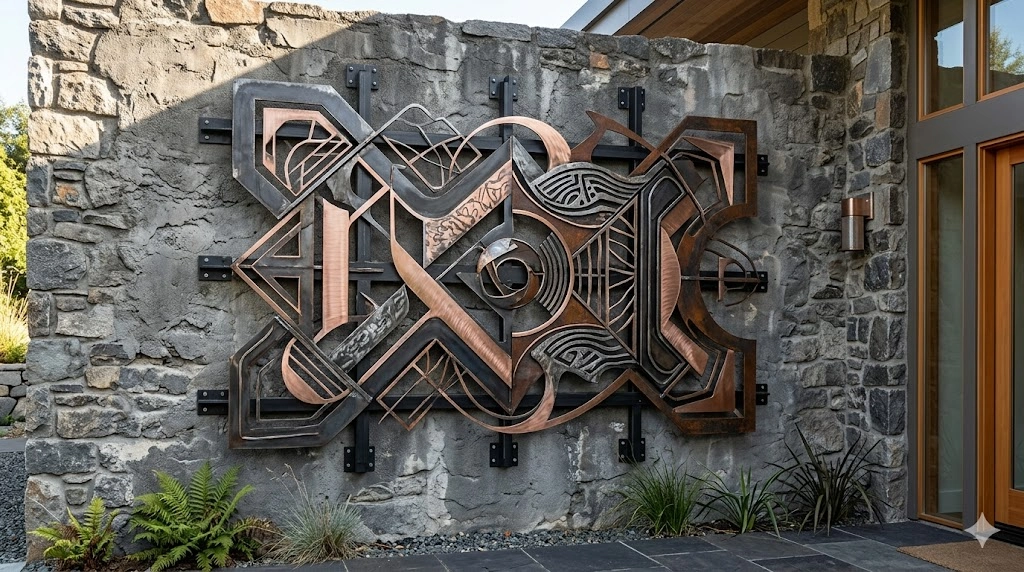
Large exterior metal wall art has become one of the most defining elements in modern outdoor architecture and landscape design. From Scandinavian minimal villas to Mediterranean courtyard homes,Large Exterior Metal Wall Art is now used as a powerful design tool to transform plain walls into architectural statements.
Unlike traditional decor, outdoor metal sculptures and panels combine durability with artistic expression. They withstand rain, sunlight, and seasonal changes while maintaining their visual strength for years. This makes them especially popular across European homes, where weather conditions and architectural aesthetics both demand long-lasting beauty.
Across countries like France, Italy, Germany, and Sweden, homeowners are increasingly integrating metal wall sculptures into gardens, patios, terraces, and villa facades. The result is a fusion of art and architecture that elevates even the simplest exterior wall into a luxury visual experience.
In this guide, we’ll explore everything from materials and styles to sizing, installation, European design inspiration, and expert-level styling strategies to help you choose the perfect outdoor metal wall art for your space.
What Is Large Exterior Metal Wall Art?
Large exterior metal wall art refers to oversized decorative installations made from durable metals such as steel, aluminum, iron, or corten steel, designed specifically for outdoor environments.
These artworks are not just decorative pieces—they are architectural enhancements that interact with light, space, and structure.
Common Applications:
- Garden feature walls
- Villa exteriors
- Patio backdrops
- Balcony walls
- Entrance facades
- Poolside environments
In modern European architecture, these pieces are often integrated into the design phase itself, making them part of the building identity rather than an afterthought.
Why Metal Wall Art Works for Outdoor Spaces
Outdoor environments require materials that can withstand harsh and changing weather conditions. Metal is one of the most reliable and visually versatile materials used in exterior design.
Key Advantages:
- Extreme durability against rain, wind, and UV exposure
- Low maintenance compared to wood or painted surfaces
- Modern aesthetic appeal suitable for luxury homes
- Custom design flexibility (patterns, textures, shapes)
- Long lifespan with minimal fading or damage
In European climates—ranging from humid coastal regions to cold Nordic environments—metal wall art remains structurally stable and visually consistent.
Types of Large Exterior Metal Wall Art
Understanding material differences is essential before choosing a design. Each metal type creates a different visual mood and functional performance.
Material Comparison Table
| Material Type | Visual Style | Durability | Maintenance | Best Use Case |
| Steel | Industrial, strong, bold | Very high | Medium | Urban homes, modern villas |
| Corten Steel | Rusted natural look | Extremely high | Low | Gardens, rustic luxury homes |
| Aluminum | Clean, lightweight, modern | High | Very low | Coastal areas, minimalist homes |
| Iron | Traditional, heavy artistic | High | Medium-high | Classic European architecture |
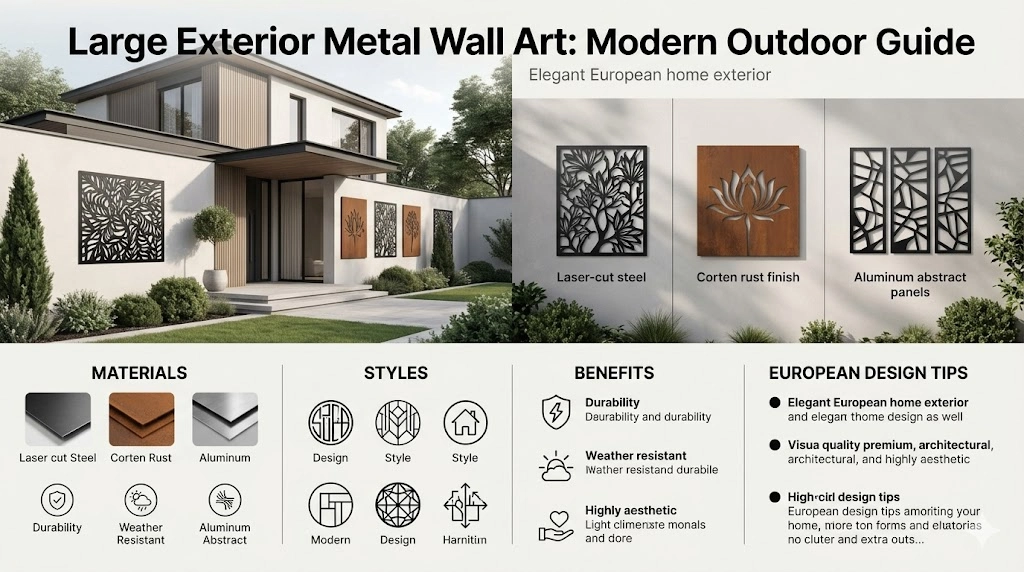
Laser-Cut Metal Panels
Laser-cut panels are one of the most popular choices in contemporary European homes. These designs use precision cutting technology to create geometric or organic patterns.
They are widely used in:
- Modern villas in Germany
- Urban apartments in the UK
- Minimalist homes in the Netherlands
The intricate shadows they create during sunlight make them visually dynamic throughout the day.
Corten Steel Sculptures
Corten steel develops a natural rust-like patina over time, creating a warm earthy aesthetic. This material is especially popular in Scandinavian and Mediterranean architecture.
It blends beautifully with:
- Stone walls
- Wooden decks
- Green gardens
Its self-protecting rust layer prevents deeper corrosion, making it both artistic and functional.
Aluminum Wall Art
Aluminum is lightweight and highly resistant to corrosion, making it ideal for coastal European regions such as Spain, Portugal, and Greece.
It is commonly used for:
- Abstract designs
- Minimalist installations
- Modern geometric patterns
Nature-Inspired Metal Art
These designs include:
- Trees
- Leaves
- Birds
- Flowing abstract natural forms
They integrate seamlessly into gardens and outdoor green spaces, especially in eco-focused European homes.
European Design Influence in Outdoor Metal Wall Art
Europe has a strong design heritage that deeply influences outdoor wall aesthetics.
Regional Style Breakdown
- Scandinavian Design (Sweden, Norway, Denmark)
Minimal, clean lines, neutral tones, functional beauty - French Aesthetic (France)
Elegant, artistic, slightly ornamental with balanced proportions - Italian Luxury Style (Italy)
Bold, expressive, sculptural statement pieces - German Minimalism (Germany)
Precision, structure, geometric symmetry - Mediterranean Style (Spain, Greece)
Warm textures, natural rust tones, organic integration
These styles influence how metal wall art is shaped, sized, and placed in outdoor environments.
How to Choose the Right Size for Exterior Metal Wall Art
Sizing is one of the most important aspects of outdoor wall design. Incorrect proportions can make even expensive art look out of place.
Size Guide
- Small walls (balcony / compact patios): 2–4 ft pieces
- Medium walls (garden / terrace): 4–8 ft installations
- Large villa walls: 8–15 ft statement sculptures
Golden Rule:
The artwork should cover 60–75% of the wall width for visual balance.
Installation & Placement Guidelines
Proper installation ensures both safety and aesthetic harmony.
Expert Tips:
- Install at eye level for patios and seating areas
- Avoid direct ground moisture exposure
- Use stainless steel mounting hardware
- Ensure wall strength before installation
- Consider sunlight direction for shadow effects
In European architecture, alignment with structural lines (windows, doors, columns) is essential for visual harmony.
Durability & Weather Resistance
Outdoor metal wall art is designed to perform across multiple climates.
It withstands:
- Heavy rain (UK, Netherlands)
- Snow and frost (Nordic regions)
- Strong sunlight (Mediterranean regions)
- Coastal humidity (Portugal, Greece)
Maintenance Tips:
- Clean with soft dry cloth monthly
- Avoid abrasive chemicals
- Apply protective coating annually (if required)
- Inspect mounting points once a year
Where to Use Large Exterior Metal Wall Art
- Garden focal walls
- Outdoor dining zones
- Poolside luxury areas
- Villa entrance facades
- Terrace backgrounds
- Courtyard feature spaces
Each placement creates a different emotional and architectural impact.
Common Mistakes to Avoid
- Choosing undersized artwork for large walls
- Ignoring architectural alignment
- Overcrowding outdoor décor elements
- Using indoor-rated metal outdoors
- Ignoring lighting and shadow effects
Styling Ideas for Modern European Homes
Minimalist Style
Clean geometric metal panels with neutral walls
Nature Fusion Style
Metal art combined with vertical gardens
Luxury Villa Style
Oversized sculptural installations with lighting
Industrial Style
Raw steel textures paired with concrete walls
Pros and Cons
Pros:
- Extremely durable
- Weather-resistant
- Modern aesthetic appeal
- Low maintenance
- Highly customizable
Cons:
- Higher initial cost than basic decor
- Requires proper installation
- Can heat up in direct sunlight
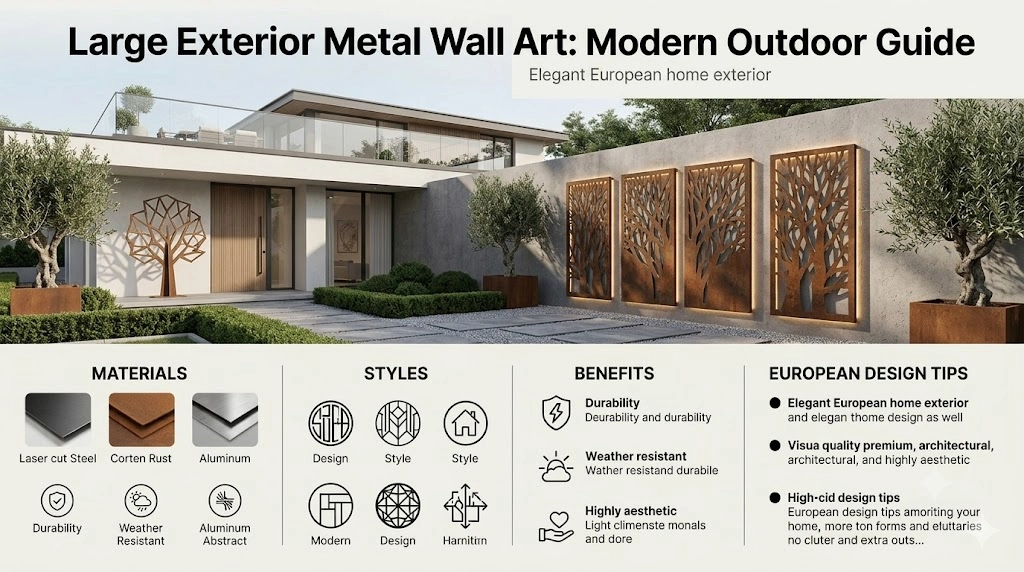
Expert Design Recommendations
- Match metal tone with exterior architecture
- Use lighting to enhance shadows at night
- Keep surrounding décor minimal for focus
- Combine metal with wood or stone for contrast
- Use symmetry for formal European aesthetics
People Also Ask
Yes, high-quality metal wall art is designed specifically for outdoor conditions. It resists rain, UV rays, and temperature changes, making it ideal for long-term exterior decoration.
Corten steel and aluminum are the most popular choices. Corten offers a rustic natural look, while aluminum is lightweight and corrosion-resistant.
Most pieces are weather-resistant, but applying a protective coating and cleaning occasionally helps extend their lifespan significantly.
Yes, but scale matters. Smaller or medium-sized designs work best in compact spaces to maintain visual balance.
Quality materials like stainless steel, corten steel, and aluminum maintain their appearance for years, though some natural patina changes may occur.
Conclusion
Large Exterior Metal Wall Art is more than just outdoor decoration—it is a blend of architecture, craftsmanship, and artistic identity. Across Europe, from minimalist Scandinavian homes to luxurious Mediterranean villas, metal wall sculptures are redefining how exterior spaces are designed and experienced.
When chosen carefully, the right piece enhances not only the wall but the entire environment, creating depth, character, and visual harmony. Material selection, sizing, and placement all play a crucial role in achieving a professional design outcome.
For homeowners and designers seeking timeless outdoor elegance, metal wall art remains one of the most powerful and versatile design solutions available today. Explore more expert guides and inspiration at TheWallsArt.com to elevate your home’s exterior into a modern artistic statement.