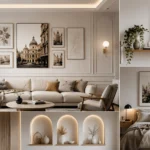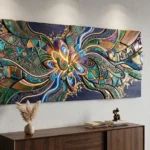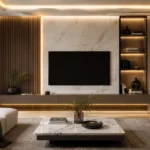
Introduction
A decorative wall clock is no longer just a functional timepiece—it has become a defining element of modern interior design. Across European homes from Parisian apartments to Scandinavian minimalist spaces, wall clocks are now used as focal décor pieces that shape atmosphere, balance, and personality.
In today’s interiors, empty walls are considered wasted potential. Designers across Germany, France, and Italy increasingly use decorative clocks to create visual rhythm and architectural harmony.
Whether it is a large statement clock in a living room or a silent minimalist clock in a bedroom, the right choice can completely transform a space.
This guide explores everything you need to know—design psychology, European styling trends, sizing rules, placement strategies, and expert interior secrets used by professionals across Europe.
Why Decorative Wall Clocks Matter in Modern Interior Design
Modern interiors focus on intentional styling, where every object has meaning. Decorative wall clocks serve both functional and aesthetic roles.
Key Design Roles of Wall Clocks:
- Create a strong focal point in a room
- Add structure to empty or minimal walls
- Balance furniture-heavy interiors
- Enhance symmetry and visual flow
- Reflect personal style and cultural taste
In Scandinavian homes across Sweden and Norway, clocks are often used as subtle design anchors rather than bold statement pieces.
Types of Decorative Wall Clocks
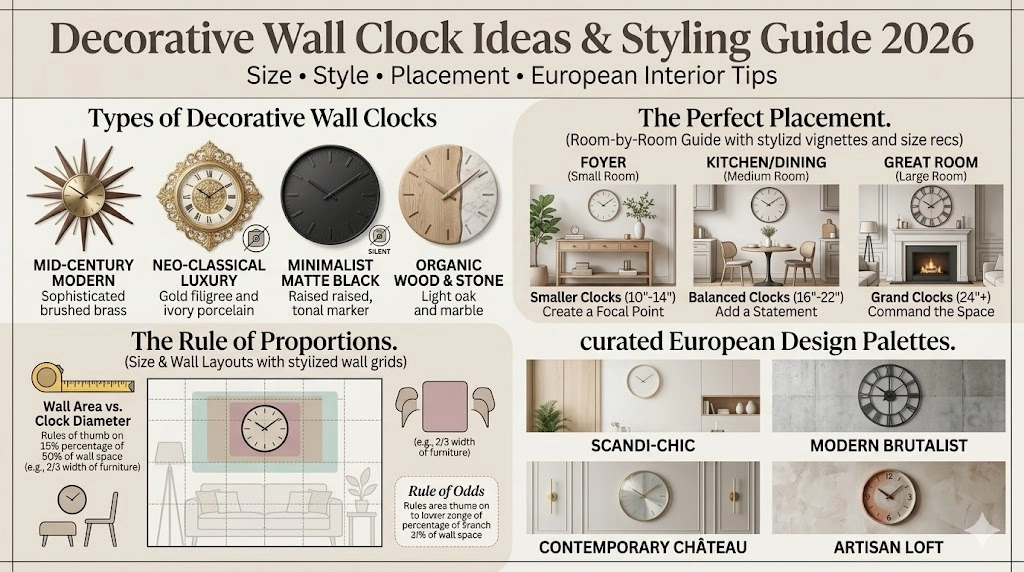
Modern Minimalist Wall Clocks
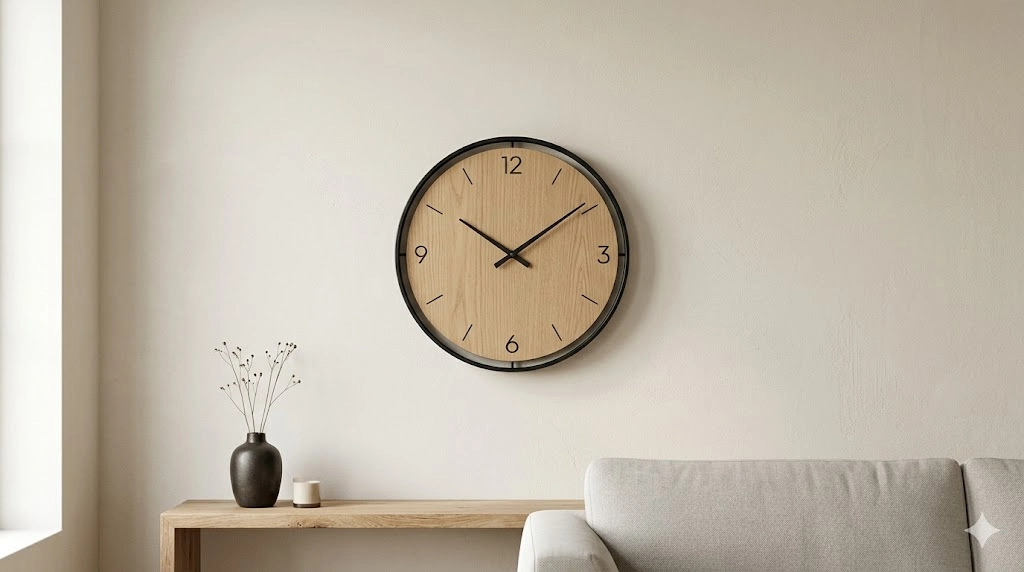
These clocks feature clean lines, neutral colors, and geometric simplicity.
Best For:
- Modern apartments
- Home offices
- Scandinavian interiors
Design Insight:
Minimalist clocks work best when paired with uncluttered walls and natural lighting.
Large Decorative Wall Clocks
Oversized clocks act as statement art pieces rather than timekeeping tools.
Best For:
- Spacious living rooms
- Loft apartments
- Feature walls above sofas
Design Tip:
Keep the surrounding décor minimal to avoid visual competition.
Vintage Decorative Wall Clocks
Inspired by antique European craftsmanship, these clocks use Roman numerals, distressed wood, and classic metal finishes.
Best For:
- Rustic homes
- Traditional kitchens
- Cozy reading corners
European Influence:
Popular in countryside homes across the United Kingdom and rural French interiors.
Luxury Decorative Wall Clocks
Luxury clocks use metallic finishes, gold accents, marble textures, and artistic shapes.
Best For:
- High-end apartments
- Hotel-inspired interiors
- Accent walls in lounges
Style Note:
Gold and black combinations dominate luxury European interiors.
Silent Wall Clocks
Designed with no-ticking movement for peaceful environments.
Best For:
- Bedrooms
- Study rooms
- Meditation spaces
Decorative Wall Clock Selection Guide
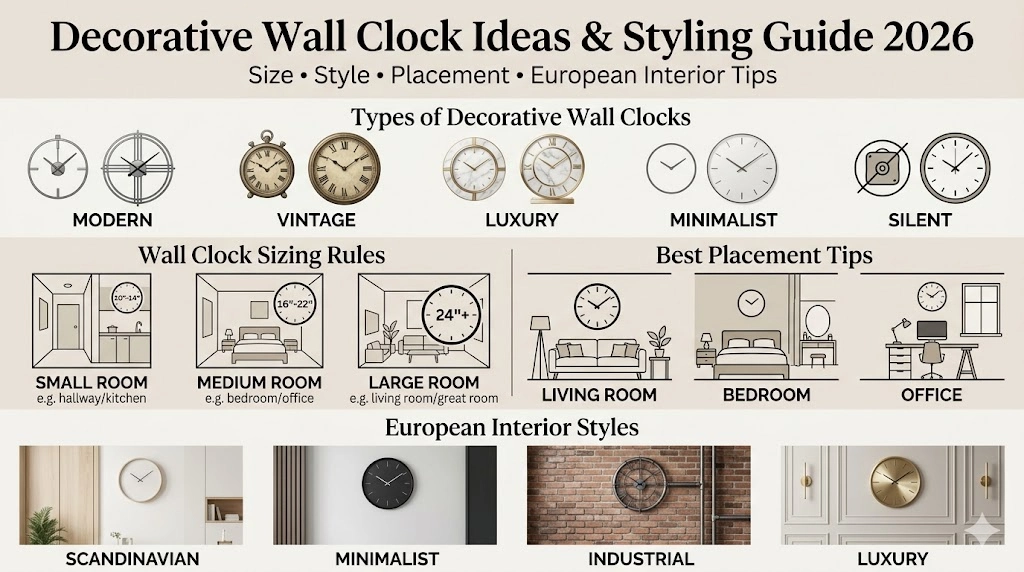
| Room Type | Ideal Clock Size | Recommended Style | Best Placement |
| Living Room | 24–60 inches | Large / Luxury / Modern | Above sofa or accent wall |
| Bedroom | 12–24 inches | Silent / Minimalist | Opposite bed or side wall |
| Kitchen | 12–20 inches | Functional / Simple | Near dining or prep area |
| Office | 16–28 inches | Minimalist / Modern | Above desk or side wall |
| Hallway | 20–36 inches | Statement / Vintage | Center focal wall |
How to Choose the Perfect Decorative Wall Clock
Size-to-Wall Ratio Rule
A perfect clock should occupy 20–40% of wall space depending on furniture layout.
Material Selection
- Wood: Warm, natural, Scandinavian feel
- Metal: Industrial, modern, urban aesthetics
- Glass/Resin: Artistic, luxury expression
Visual Balance Rule
A wall clock should never overpower furniture—it should complement it.
Room-by-Room Styling Strategy
Living Room
The living room is the primary space for statement clocks.
- Place above sofa or TV wall
- Use oversized designs for impact
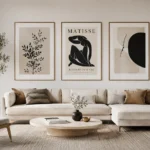
- Combine with framed art for layered styling
Bedroom
Bedrooms require calm, silent designs.
- Choose soft colors (beige, grey, white)
- Avoid heavy or loud designs
- Prioritize silent mechanisms
Kitchen
- Use readable fonts
- Prefer medium-sized clocks
- Place near dining visibility zone
Office Space
Productivity-focused designs:
- Minimalist clocks improve concentration
- Avoid distracting patterns
- Stick to neutral tones
Trending Decorative Wall Clock Styles
Across Europe, interior design trends are evolving toward balance between nature and modernity.
Popular Trends:
- Japandi fusion clocks (Japanese + Scandinavian minimalism)
- Industrial black metal clocks
- Abstract art clocks
- Oversized geometric wall clocks
- Smart LED wall clocks
Cities like Copenhagen, Amsterdam, and Milan are leading this evolution.
Wall Placement Rules
- Ideal height: 60–65 inches from floor
- Keep centered alignment with furniture
- Maintain negative space around clock
- Avoid overcrowding with décor pieces
Budget vs Luxury Wall Clock Styling
Budget Styling:
- Simple wooden or plastic frames
- Minimal designs
- Neutral colors
Luxury Styling:
- Metallic gold finishes
- Designer geometric shapes
- Artistic handcrafted designs
Luxury interiors in Switzerland often use clocks as sculptural wall art rather than functional objects.
Common Interior Design Mistakes
- Choosing oversized clocks for small rooms
- Hanging clocks too high or too low
- Overdecorating the surrounding wall
- Ignoring wall color contrast
- Mixing too many design styles
Maintenance & Durability Tips
- Dust regularly with microfiber cloth
- Avoid direct sunlight exposure
- Replace batteries on time
- Check wall mounting stability
Wall Color Psychology
- White walls → Modern, clean contrast
- Grey walls → Industrial elegance
- Beige walls → Warm, cozy atmosphere
- Dark walls → Luxury, dramatic effect
People Also Ask
A decorative wall clock is designed to enhance interior aesthetics while also telling time. Unlike standard clocks, it focuses on style, materials, and visual impact.
The best placement is above the sofa or on a central accent wall. This creates a natural focal point and balances the room visually.
Yes, silent clocks are ideal for bedrooms because they eliminate ticking noise, creating a more peaceful sleeping environment.
Small rooms need 12–20 inch clocks, medium rooms 20–30 inches, and large living rooms can handle oversized 30–60 inch clocks.
Yes, especially oversized and minimalist designs. Wall clocks are now considered both functional tools and artistic wall décor elements.
Conclusion
A decorative wall clock is one of the most powerful yet underrated elements in interior design. It brings structure, personality, and balance into any space while serving a functional purpose.
Across modern European homes—from minimalist apartments in Berlin to luxury interiors in Milan—wall clocks are evolving into statement art pieces rather than simple timekeepers.
The key to mastering wall clock styling is understanding proportion, material, and placement. When chosen correctly, a clock can completely redefine the energy of a room.
For more inspiration on wall décor, modern interiors, and European aesthetic styling, explore more guides on TheWallsArt.com and continue building spaces that feel intentional, elegant, and timeless.