Introduction
Textile Wall Art is rapidly transforming the way modern interiors are designed across Europe and beyond. Once seen as a traditional or bohemian décor element, it has now evolved into a sophisticated design language that blends texture, warmth, sustainability, and acoustic comfort.
In today’s European homes, walls are no longer treated as flat surfaces—they are becoming emotional and sensory experiences. From minimalist apartments in Denmark to luxury interiors in Italy, textile wall art is being used to soften modern architecture and add depth to living spaces.
Unlike conventional paintings or prints, textile wall art introduces fabric-based storytelling. It absorbs sound, enhances comfort, and creates a calming atmosphere that aligns perfectly with 2026 interior design trends.
This guide explores everything you need to know—from styles and materials to European influences and expert design strategies—so you can understand how textile wall art is redefining modern home aesthetics.
What Is Textile Wall Art?
Textile wall art refers to decorative or functional wall installations made from fabric-based materials. These can include woven fibers, embroidered textiles, macramé, linen panels, or advanced acoustic fabrics.
Unlike traditional framed artwork, textile pieces bring dimension, softness, and movement into interior spaces.
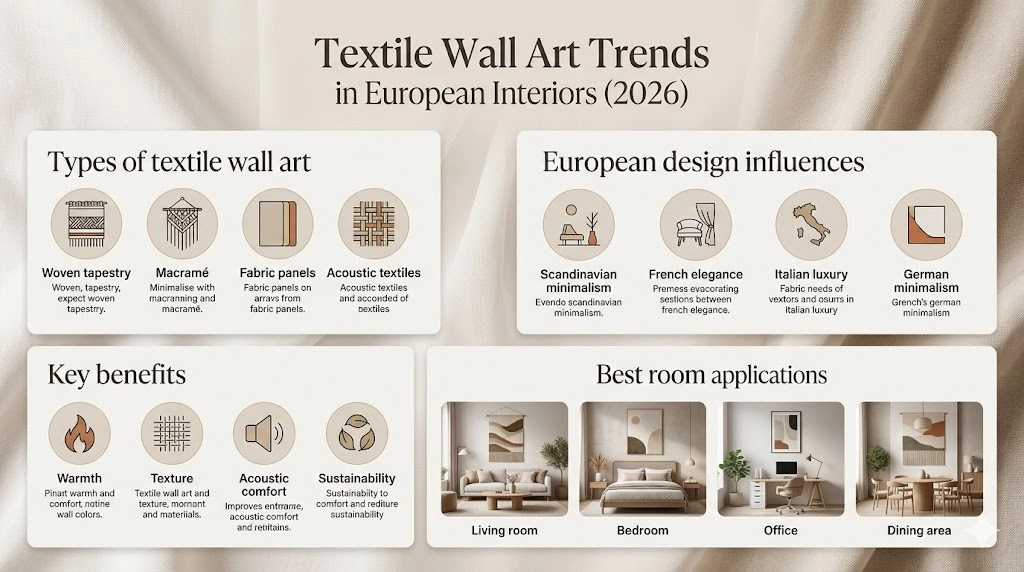
Common forms include:
- Woven tapestries
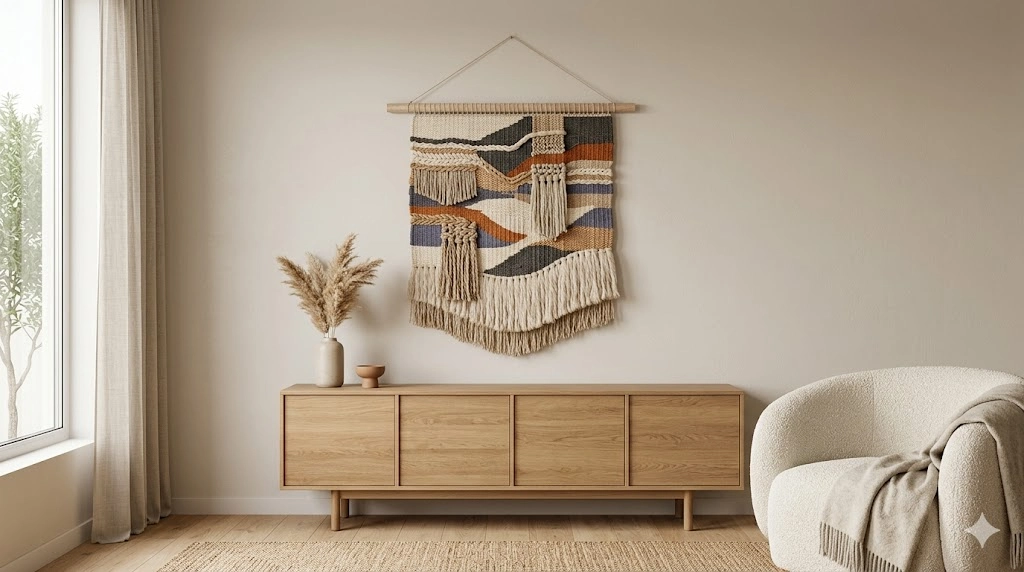
- Macramé wall hangings
- Framed fabric panels
- Acoustic textile boards
- Printed fabric art installations
The key difference lies in texture. Instead of only visual appeal, engages both visual and tactile senses, making interiors feel warmer and more human-centered.
Why Textile Wall Art Is Trending in Europe 2026
Across Europe, interior design is shifting toward “sensory minimalism”—a balance between simplicity and emotional warmth.
Key drivers of this trend:
Sustainability Movement
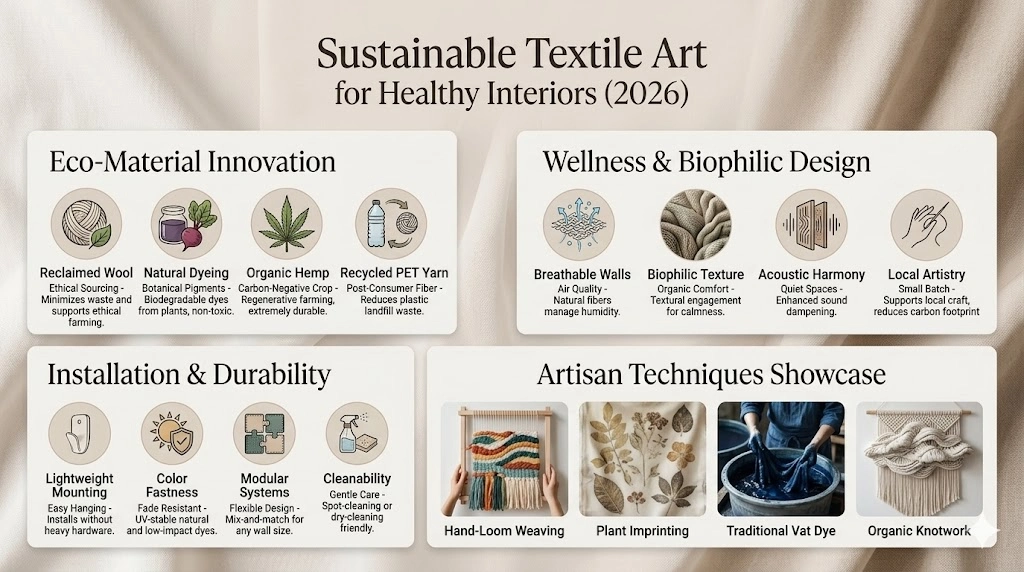
Natural materials like linen, cotton, hemp, and wool are replacing synthetic décor elements. This aligns strongly with eco-conscious living across countries like Germany and Sweden.
Acoustic Comfort in Modern Homes
Open-plan apartments create echo issues. Textile panels naturally absorb sound, making them both decorative and functional.
Emotional Well-being
Soft textures reduce visual stress and create a calming psychological environment—especially important in urban European apartments.
Minimalist Luxury Trend
Instead of heavy décor, designers now use a single textile statement piece to define a room.
Types
Woven Tapestry Art
Traditional yet timeless, woven tapestries often reflect cultural or historical European storytelling.
Best for:
- Classic interiors
- Heritage homes
- Luxury living rooms
Macramé Wall Hangings
Hand-knotted designs popular in boho-inspired homes.
Best for:
- Bedrooms
- Relaxed interiors
- Natural aesthetic spaces
Framed Fabric Panels
Fabric stretched inside frames for a clean, modern look.
Best for:
- Minimalist homes
- Offices
- Contemporary apartments
Acoustic Textile Panels
Functional Wall systems used in modern architecture.
Best for:
- Offices
- Studios
- Urban apartments
Printed Textile Art
Digitally printed fabric designs that mimic woven textures.
Best for:
- Budget-friendly interiors
- Modern décor experiments
European Design Influence
French Elegance
French interiors focus on subtle luxury. Textile wall art here is soft, neutral, and minimal—often linen-based with muted tones.
Scandinavian Simplicity
Scandinavian homes use textile art to add warmth to white and grey interiors. The focus is functionality and coziness.
Italian Luxury Aesthetics
Italian interiors embrace rich textures, layered fabrics, and artistic storytelling.
German Minimalism
Clean lines, structured layouts, and highly functional textile installations dominate.
Mediterranean Warmth
Earthy tones, handmade textiles, and sun-inspired palettes define this style.
Best Rooms
Living Room
The most popular space for. It acts as a focal point above sofas or feature walls.
Bedroom
Soft textile pieces create a calming and restful environment.
Dining Area
Fabric wall art improves acoustics and enhances dining ambiance.
Home Office
Reduces echo and visual fatigue while improving concentration.
Styling Ideas
- Pair neutral fabric art with wooden furniture for warmth
- Combine macramé with indoor plants for a natural aesthetic
- Use oversized textile pieces as statement walls
- Mix textile art with metal accents for modern contrast
- Stick to earthy tones like beige, sand, olive, and terracotta
Textile Wall Art vs Traditional Wall Art
| Feature | Textile Wall Art | Traditional Wall Art |
| Texture | High | Low |
| Acoustic Value | Yes | No |
| Emotional Warmth | High | Medium |
| Sustainability | High | Medium |
| Visual Depth | Strong | Moderate |
| Maintenance | Moderate | Easy |
Pros & Cons
Pros
- Adds warmth and texture
- Improves room acoustics
- Eco-friendly materials available
- Highly customizable
- Works in all room types
Cons
- Requires occasional cleaning
- Can fade under strong sunlight
- Not suitable for humid environments without treatment
Wall Placement Rules
Proper placement is crucial for visual balance:
- Center textile art at eye level
- Leave breathing space around large pieces
- Use wide walls for oversized textiles
- Avoid cluttered wall combinations
- Match wall size with textile proportion
Color Psychology
- Beige walls → enhance softness and warmth
- White Walls → highlight texture contrast
- Dark walls → create dramatic luxury effect
- Earth tones → support natural textile aesthetics
Budget vs Luxury Textile Wall Design
Budget Options:
- Printed fabric panels
- Small macramé pieces
- DIY textile frames
Luxury Options:
- Handwoven European tapestries
- Custom acoustic textile systems
- Designer fabric installations
Common Interior Mistakes to Avoid
- Overcrowding walls with too many textiles
- Ignoring lighting effects on fabric texture
- Choosing synthetic materials for premium interiors
- Poor sizing (too small for large walls)
Future of Textile Wall Art
The future is highly innovative:
- Smart acoustic fabrics
- AI-generated textile patterns
- Recycled eco-textile materials
- LED-integrated fabric walls
- Hybrid digital + fabric installations
This evolution shows that is becoming both art and architecture.
People Also Ask
Yes, textile wall art fits perfectly into minimalist homes when used in neutral tones and simple designs. It adds warmth without breaking visual simplicity.
Most pieces can be gently vacuumed or lightly dusted. Delicate fabrics may require professional cleaning depending on material type.
Yes, fabric naturally absorbs sound waves, making rooms quieter and more comfortable—especially in open-plan apartments.
Living rooms and bedrooms are ideal because they benefit most from softness, comfort, and visual warmth.
It depends on material and craftsmanship. You can find affordable printed options or invest in premium handmade European designs.
Conclusion
Textile Wall Art is no longer just a decorative trend—it is a powerful interior design element shaping modern European homes. Its ability to combine texture, sustainability, and emotional warmth makes it one of the most versatile wall design solutions of 2026.
From Scandinavian simplicity to Italian luxury interiors, textile-based wall décor is redefining how we experience living spaces. It brings depth, softness, and personality into otherwise plain walls.
For homeowners looking to elevate their interiors, offers a timeless and adaptable solution that works across all design styles.