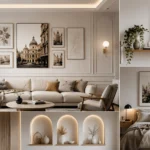
Why Wall Art Is More Than Decoration
Wall Art is far more than a help attached to a wall. In new interior design—especially across Europe—it Functions as a strategic visual language that influences air, emotion, and spatial identity. Thoughtfully selected can reconsider how a room feels, how it is perceived, and how people emotionally connect with it.
Across European homes, is no longer studied as a review. It is considered an essential architectural layer, as important as bed, lighting, and goods. Walls are no longer passive scenery; they are active design elements that carry cultural meaning, personal, and creative intention.
From the minimalist calm of Scandinavian apartments to classical French interiors, art-centric Italian homes, and precision-driven German spaces, wall art reflects lifestyle, heritage, and design intelligence.
Whether You Live in:
- A compact urban flat in Amsterdam
- A countryside villa in Italy
- A modern studio in Berlin
- Or a serene Nordic home in Sweden
The rightsocan elevate the entire environment—without changing furniture or layout.
This eventualguide is written as a pillar resource for 2026. It is designed for homeowners, beginners, interior enthusiasts, decorators, and pros alike. There is no promotion, no hype, and no filler—only practical, experience-backed, European-focused knowledge.
What You Will Learn
- What truly mean in interior design
- Why intellectually and visually matters
- How to choose for each room
- European styles and cultural influences
- Interior-designer placing rules
- Materials, care tips, and climate considerations
- Advanced movement for 2026
What Is Wall Art?
Wall art refers to any visual, decorative, or artistic element intentionally displayed on a wall to enhance the aesthetic, emotional, or useful kind of a zone. includes:
- Paintings and canvas artwork
- Photography and mounted visuals
- Wall mold and three-dimensional pieces
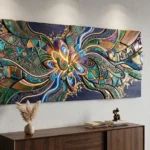
- Murals and large-scale compositions
- Metal, wood, and mixed-material art
- Textile weaving and tapestries
- Digital and intermedia installations
In European interior design, is never random. It is purposeful, proportioned, and emotionally driven. Each piece is selected for backing balance, mood, and building flow.
Why Wall Art Matters in Interior Design
Visual Balance & Spatial Harmony
One of the hardest roles is creating visual equilibrium within a room.
Wall art helps to:
- Break up a large, empty wall top. Anchor furniture visually
- Establish clear focal points
- Improve comparable balance
- Make compact European apartments feel curated quite than crowded
Without even a high-end bed and premium materials can feel incomplete, low, or muddled.
Emotional & Psychological Impact
Indirect mindset research always shows that visual location directly affects mental and emotional well-being.
Properly chosen wall art can:
- Enhance comfort and nervous warmth
- Reduce stress and optical fatigue
- Improve focus and creativity
- Create a feel of safety and belonging
European interiors normally register emotional calm, harmony, and livability, which makes a powerful mental design tool—not just decoration.
Cultural & Personal Expression
Wall art is a silent reporter. It reflects:
- Cultural heritage
- Artistic preferences
- Personal identity
- Lifestyle values
Examples Across Europe:
- Nordic interiors favor nature-inspired, minimal prints
- French homes embrace romantic, classical, and historical visuals
- Italian spaces celebrate creative legacy and expressive imagery
- German interiors prefer structured, Architectural, and proper compositions
Wall art tells a story—without speaking a single word.
Types of Wall Art
Overview Table: Common Wall Art Types
| Type | Description | Best For |
| Canvas & Paintings | Timeless and gifted | Living rooms, bedrooms |
| Photography | Realistic and narrative-driven | Hallways, offices |
| Wall Sculptures | Three-dimensional depth | Feature walls |
| Murals | Large-scale immersive visuals | Open-plan spaces |
| Metal & Wood Art | Textured and durable | Industrial & rustic interiors |
| Textile & Tapestry | Soft, tactile passion | Bedrooms, boho spaces |
| Digital & Multimedia | Modern and flexible | Contemporary homes |
Paintings & Canvas Prints
Canvas remains one of the most widely used formats in European interiors due to its flexibility and timeless appeal. Popular forms include:
- Oil paintings
- Acrylic artwork
- Watercolor compositions
- Abstract expressions
- Landscape and cityscape scenes
Best Suited For:
- Living rooms
- Bedrooms
- Dining areas
Canvas art fuses seamlessly into minimalist, modern, classic, and transitional interiors.
Photography & Photo Collages
Photography-based offers authenticity, realism, and narrative depth.
Common European themes include:
- Black-and-white cityscapes
- Building photography
- Natural landscapes
- Travel and cultural imagery
This style is unusually popular in Scandinavian and German homes, where clarity, format, and unity are valued.
Wall Sculptures & 3D Art
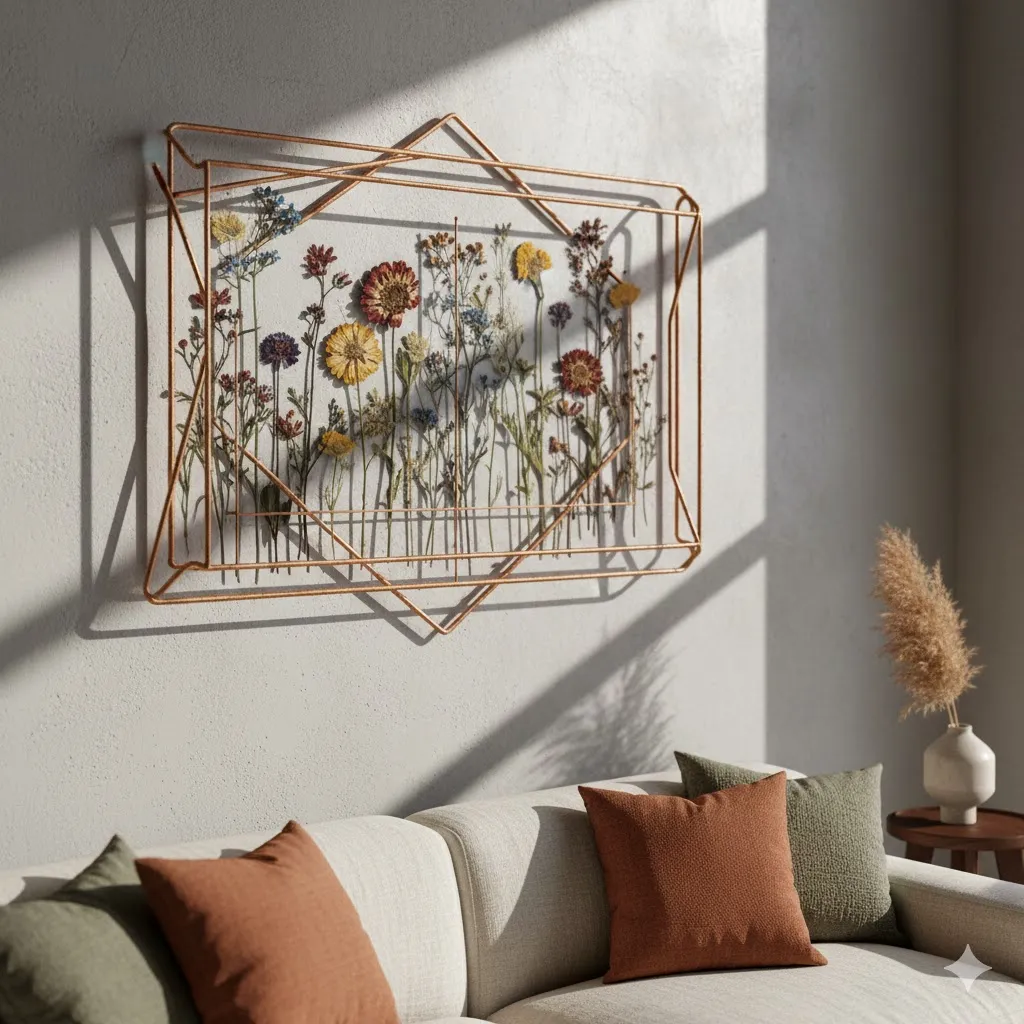
Three-dimensional adds depth, shadow, and tactile interest.
Materials commonly used:
- Metal geometric forms
- Carved wood panels
- Abstract sculptural installations
Best used as:
- Feature wall rune
- Statement pieces in minimal spaces
Murals & Large-Scale Wall Art
Morality alters walls into immersive visual experiences.
Commonly found in:
- Loft apartments
- Creative studios
- Cafés and store hotels
- Artist-inspired residences
Murals create a strong sense of identity and spatial drama.
How to Choose the Perfect Wall Art
Step-by-Step Selection Process
| Step | What to Consider |
| Step 1 | Room purpose and usage |
| Step 2 | Wall bulk and layout |
| Step 3 | Existing color palette |
| Step 4 | Natural and artificial lighting |
| Step 5 | Personal taste and cultural context |
Choosing Wall Art by Room
Living Room Wall Art
Best choices:
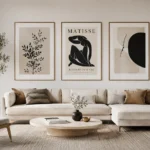
- Statement artwork
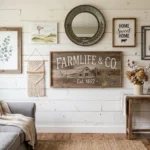
- Curated gallery walls
- Abstract or landscape compositions
Primary goal: Create a focal point and visual chat starter.
Bedroom Wall Art
Best choices:
- Muted tones
- Calming visuals
- Textile or minimalist artwork
Avoid intrusive colors or lawless imagery. Bedrooms should support relaxation.
Kitchen Wall Art
Best choices:
- Illustrations
- Typography
- Small framed sets
Playful or culinary-themed art works well in kitchens.
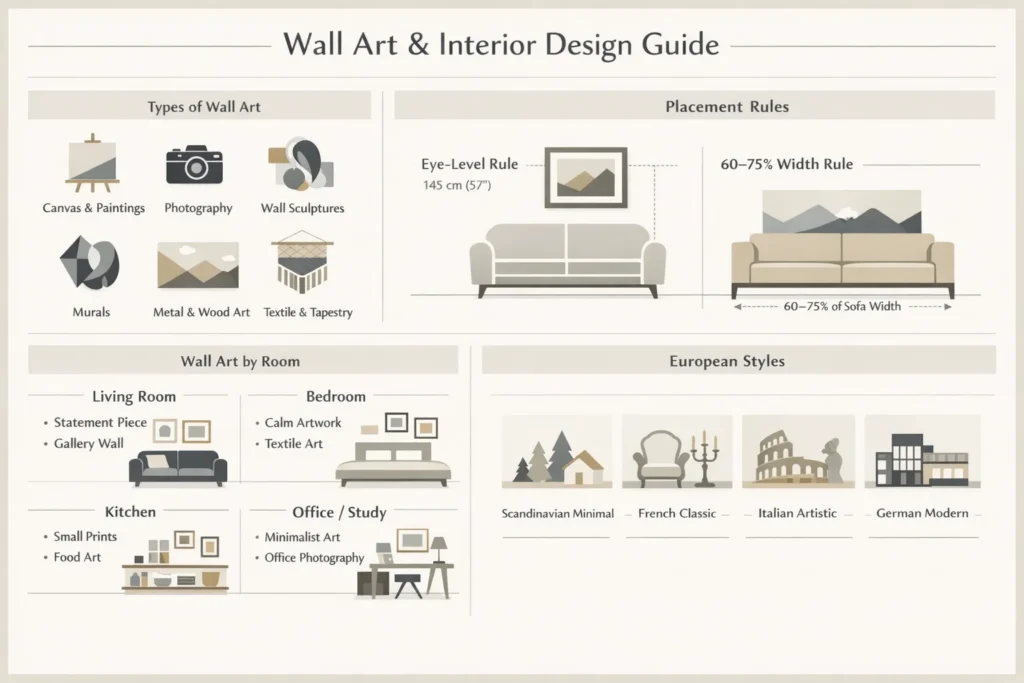
Office / Study Wall Art
Best choices:
- Architectural photography
- Minimal telling art
- Motivational but faint visuals
Art should support concentration, not overwhelm it.
Wall Art Placement Rules Interior Designers Use: The 60–75% Rule
Artwork placed above the bed should fill 60–75% of the furniture’s width.
Example:
- Settee width: 200 cm
- Ideal artwork width: 120–150 cm
Eye-Level Rule
The center of the artwork should sit at almost 145 cm (57 inches) from the floor.
This aligns with the average European eye level and feels comfortable.
Gallery Wall Guidelines
- Maintain true spacing (5–7 cm)
- Select one main anchor piece
- Keep the cooperative line or color direction
Combining Wall Art Styles Like a Professional
Matching Art with Interior Design
- Neutral walls → Bold artwork
- Color-rich walls → Minimal artwork
- Textured walls → Flat art surfaces
Tension always matters more than perfect matching.
Popular European Wall Art Themes
- Scandinavian minimalism
- French classic elegance
- Italian artistic heritage
- Industrial German aesthetics
- Mediterranean rustic warmth
Lighting & Wall Art: Why It Matters
Lighting badly alters how is perceived.
Best Practices
- Avoid direct sunshine exposure
- Use warm accent lighting
- Spotlights for statement pieces
- Diffused natural light for paintings
Poor lighting can lower even the most valuable artwork.
Wall Art Care & Maintenance
Care Guide Table
| Material | Care Tips |
| Canvas | Avoid excess humidity |
| Metal | Regular dusting |
| Wood | Protect from moisture |
| Textile | Gentle vacuuming |
| Prints | Use UV-protective glass |
Europe’s diverse temperature conditions make proper care essential.
Advanced Wall Art Ideas & Trends (2026)
Key European Trends
- Sustainable and recycled materials
- Collaboration with local artists
- Textured minimal wall treatments
- Rotating digital frames
- Seasonal styling
Flexibility and sustainability define modern European homes.
Pros & Cons
Advantages
✅ Instantly elevates interiors
✅ Expresses individuality
✅ Enhances emotional comfort
✅ Easy to update or rotate
Disadvantages
❌ Poor placement can feel cluttered
❌ Incorrect sizing disrupts balance
❌ Requires maintenance and care
Wall Art FAQs
Choose artwork that fills 60–75% of the wall span above furniture.
No. It should complement, not perfectly match.
Center artwork at eye level (approximately 145 cm).
Yes. Minimal art adds intention and balance.
Final Thoughts: Expert Perspective
Wall Art is not about filling space.
It is about creating meaning, emotional resonance, and visual harmony.
In European interiors, thoughtful wall art represents:
- Cultural depth
- Emotional intelligence
- Design maturity
Whether your Aesthetic leans toward Nordic serenity, Mediterranean warmth, or urban modern elegance. Once, the right transforms walls into living experiences