Introduction:
Abstract Wall Art is really popular now in interior design. It is especially big in homes. People who live in these homes care a lot about how things look and feel. They want their homes to be beautiful and peaceful. Thats helps them achieve this because it is about making a space look nice and feel calm. European homes are all about looking good and feeling good. Abstract wall art is a great fit for them.
It is really different from art that shows things we know like objects or people. It uses things like shape and color. How they work together to make you feel something. It does not say what you should be looking at. It is like an invitation to think and imagine and feel what you want.
This is what makes so personal and modern and able to fit anywhere. It is also timeless because it can mean things to different people. Feels this way because it is open, however you want to interpret it. It is special because of this.
Across Europe you can see this in apartments that are really simple or in flats in Paris or in modern villas in Italy or in contemporary homes in Germany. Abstract wall art is very important, for making the inside of a place feel nice. Abstract wall art is often used to:
Establish Mood and Emotional Balance
Add visual depth without overcrowding a space
Express individuality without visual chaos
Enhance architecture rather than compete with it
European interiors usually focus on things being useful and looking nice. They like things to be calm and peaceful. This is why fits in well with small apartments and big open spaces. Works well in homes, offices where people are creative, hotels and other commercial places like stores and restaurants. European interiors and are a match because they both like things to be simple and nice to look at. It is great for interiors, in many different settings, including homes and commercial places.
This complete guide for Europe in 2026 is like a book that teaches you everything about from start to finish. When you are done reading this detailed guide you will really get what it is all about and you will clearly understand.
What Does Abstract wall art really mean to people?
Abstract wall art is a type of that does not show objects. It is made up of shapes and colors that can be interpreted in ways. Abstract wall art truly represents the artist’s feelings and thoughts.
They can be very beautiful. It can also be very strange. Some people like wall art because it is unique and interesting. Truly represents a way for artists to express themselves without using methods.
When we look at wall art we can see many different things. We can see shapes and colors that remind us of nature or emotions. Truly represents the idea that art’s subjective and can be understood in many ways.
European interior trends are really popular. People love them. The thing is, European interior trends continue to be very popular. They have been popular for a time and European interior trends are still loved by many people.
European interior trends are used in homes and offices. This is because European interior trends are very nice and people like the way they look.
The reason European interior trends continue to dominate is that they are beautiful and European interior trends make people happy. People like to use interior trends in their homes because they are pretty and European interior trends are also very comfortable.
How to select the ideal style, size, scale, and color palette
Where and how to place abstract artwork correctly
How to use room-by-room
The most common mistakes to shun
How abstract art climate mood,zone, and feeling
Whether you are a homeowner, renter, interior design enthusiast, or simply someone exploring art for the first time, this guide will help you make confident, informed, and timeless decisions.
What Is Abstract Wall Art?
That is a form of artistic remark that prefers image,rage,beauty, and optical energy over literal depiction. Instead of depicting objects exactly as they appear in reality, abstract art relies on frame, colors, lines,nature, and spatial relationships to relate meaning.
Rather than telling a story precisely, boosts personal reading. Each viewer may perceive something different—making the artwork lovingly dynamic and wisely likable.
Key elements often found in abstract wall art include:
- Expressive color mix
- Non-representational forms
- Tokan or gestural marks
- Layered feeling and bottom
- Movement and optical flow
This resilience allows art to adapt beautifully to differing European interiors, cultural aesthetics, and architectural styles.
How Abstract Wall Art Differs from Traditional Art
| Traditional Art | Abstract Wall Art |
| Depicts real objects or scenes | Communicates ideas and emotions |
| Literal and descriptive | Open-ended and interpretive |
| Fixed narrative | Mood-driven and fluid |
| Realistic detail | Symbolic or expressive forms |
In European interior design, is highly valued because it outstrips language, culture, and trend cycles. It brews well with architecture and allows the soul to feel curated rather than decorated.
Why Abstract Wall Art Is So Popular in European Home Decor
Thats adjusts perfectly with core European design principles: balance, intention, simplicity, and emotional resonance.
Unlike overly fancy artwork, abstract art boosts a space without dominating it. It adds character while preserving optical calm.
Key Reasons for Its Popularity
- Versatility – Complements minimalist, modern,new, luxury, and even classic interiors
- Moving Expression – Communicates mood without optical clutter
- Timeless Aesthetic – Not closed to a single time or trend
- Dimensional improvement– Makes rooms feel more expansive and breathable
- Cultural Neutrality – Suit across diverse European lifestyles and tastes
In many European cities where living zones are compact, helps optically expand rooms, guide the eye, and create unity without bottleneck walls.
2026 Abstract Wall Art Trends in Europe
European trends in 2026 emphasize clarification over glut, quality over quantity, and feeling over ornament.
Geometric and Minimalist Abstract Art
- Clean, ordered compositions
- Balanced size and repeat
- Neutral,mild, and earthy color palettes
Popular in: Scandinavian, German, and Swiss belly
Best for:
Modern apartments, creative studios, minimalist homes, and skillful zones.
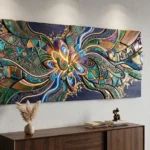
Bold Color Statement Abstract Art
- Deep blues, terracotta, singed orange, olive green
- High visual impact with controlled palettes
- Often used as a focal point
Popular in: Southern European interiors
Best for:
Neutral rooms, feature walls, and contemporary living spaces
Textured and Mixed Media Abstract Art
- Layered surfaces and tactile finishes
- Organic materials and handcrafted details
- Adds depth and authenticity
Popular in: Contemporary European homes
Best for:
Luxury interiors, statement walls, and artistic zones
Black and White Abstract Wall Art
- High contrast and visual clarity
- neat, timeless, and architectural
Best for:
Luxury interiors, offices, modern homes, and galleries
Oversized Abstract Wall Art
- Large-scale single artworks
- Creates immediate visual presence
- Reduces need for multiple pieces
Best for:
Living rooms, open-plan interiors, hotels, and financial zones
How to Choose Abstract Wall Art for Your Space
Selecting requires more than following trends. European interiors value coherence, proportion, and view.
Placement Tips by Room
Living Room
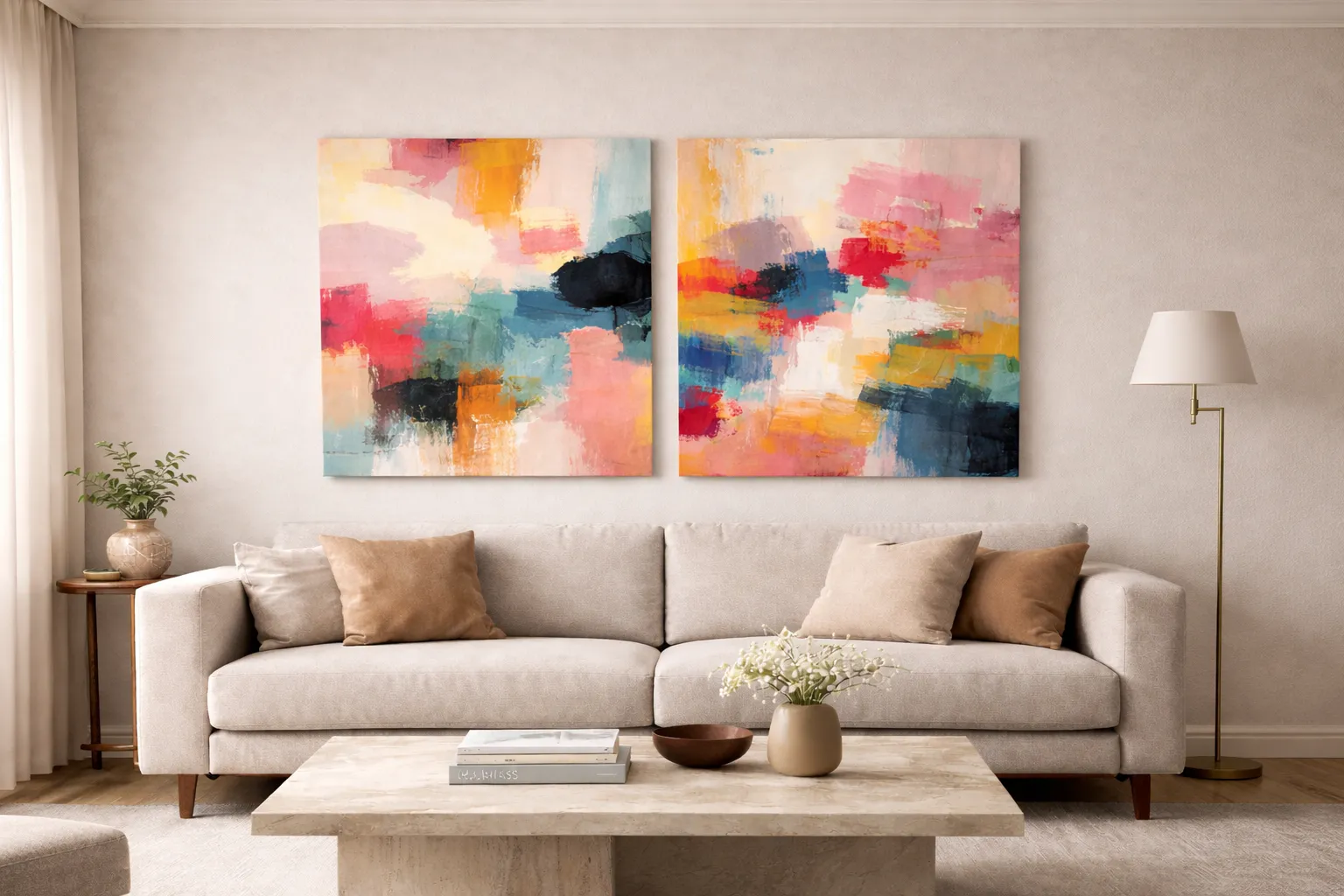
- Position artwork above the sofa or main seating zone
- Choose one large piece or a balanced multi-panel set
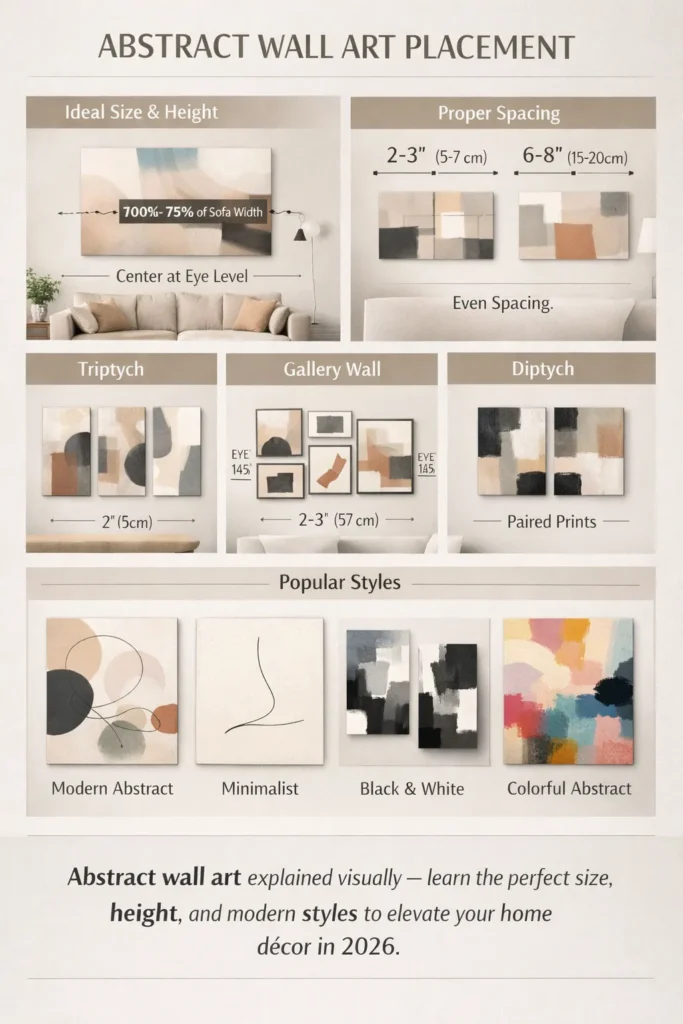
- Artwork span should sheet 60–75% of sofa span
Bedroom
- Opt for calming colors and gentle compositions
- Place above the headboard or on a side wall
- Avoid chaotic or visually aggressive designs
Hallways & Entryways
- Vertical abstract art increases perceived height
- Lighter tones maintain openness in narrow areas
H3: Size, Scale & Proportion Guide
| Wall Size | Recommended Art Size |
| Small wall | 40–60% of wall width |
| Medium wall | 60–70% of wall width |
| Large wall | 70–80% of wall width |
European interiors register negative space, so artwork should boost—not rout—the wall.
Color & Mood Matching
| Color Type | Emotional Effect |
| Neutral jewel | Calm, balanced, mature |
| Warm jewel | Snug , welcoming, cozy |
| Cool jewel | Relaxing, airy, expansive |
| Bold colors | Active , expressive, artistic |
Abstract Wall Art Styles Explained
Minimalist Abstract Wall Art
- Simple compositions
- Neutral palettes
- Strong negative space
Popular in: Nordic interiors
Modern Abstract Wall Art
- Strong contrast and confident lines
- Structured yet expressive
Popular in: German and Dutch homes
Geometric Abstract Wall Art
- Repetition and precision
- Architectural feel
Ideal for: Offices and modern apartments
Organic Abstract Art
- Flowing , nature-inspired forms
- Earthy, Mediterranean jewel
Works beautifully in: Southern European homes
Best Abstract Wall Art Ideas by Room
Living Room
- Oversize statement pieces
- Neutral walls with expressive focal art
Bedroom
- Soft compositions
- Pastels and rare earth jewel
Office & Workspace
- Geometric or orderly designs
- Boost focus and vision
Dining Room
- Vertical or panoramic formats
- Enhances social interaction
Commercial Spaces
- Large-scale abstract installations
- Brand-neutral and timeless appeal
Materials & Mediums Used in Abstract Wall Art
| Medium | Features | Best Use |
| Canvas | Lightweight, classic | Homes |
| Acrylic | Glossy, modern | Offices |
| Digital Prints | Affordable, flexible | Rentals |
| Mixed Media | Textured, artistic | Statement walls |
How to Hang and Display Abstract Wall Art
Standard Hanging Rules
- Center artwork 145–150 cm from the floor
- Maintain consistent spacing
- Avoid harsh direct lighting
Single Piece vs Gallery Wall
| Option | Best For |
| Single artwork | Minimal interiors |
| Gallery wall | Eclectic or creative spaces |
DIY Abstract Wall Art
DIY abstract wall art is popular across Europe because it adds authenticity and personal expression.
Basic Steps
- Start with a neutral canvas
- Choose a limited color palette
- Experiment with coated,freeloader, or palette glassware
- Focus on movement rather than perfection
Buying Guide
Where to Explore Abstract Wall Art
- Online art platforms
- Local European artists
- Art fairs and exhibitions
- Digital print studios
What to Look For
- Quality materials
- Balanced color harmony
- Proper sizing
- Long-term durability
Pros & Cons of Abstract Wall Art
Pros
- Timeless and adaptable
- Emotionally engaging
- Works across multiple styles
- Enhances spatial perception
Cons
- Highly subjective
- Requires thoughtful placement
- Incorrect sizing can overwhelm a room
FAQs
Focus on room purpose, color palette, wall size, and emotional impact.
Artwork should cover 60–75% of the wall width above furniture.
Yes, when chosen and placed correctly, it complements most European interiors.
Yes—match undertones and materials, not exact colors.
Final Thoughts
Abstract wall art is not only ornament—it is a visual language.
In European interiors, where planning,rage, and control coincide, helps define identity,air, and intention. It transforms empty walls into meaningful zones without demanding attention.
Whether faint or bold, minimalist or expressive, allows your home to speak quietly, beautifully, and timelessly.