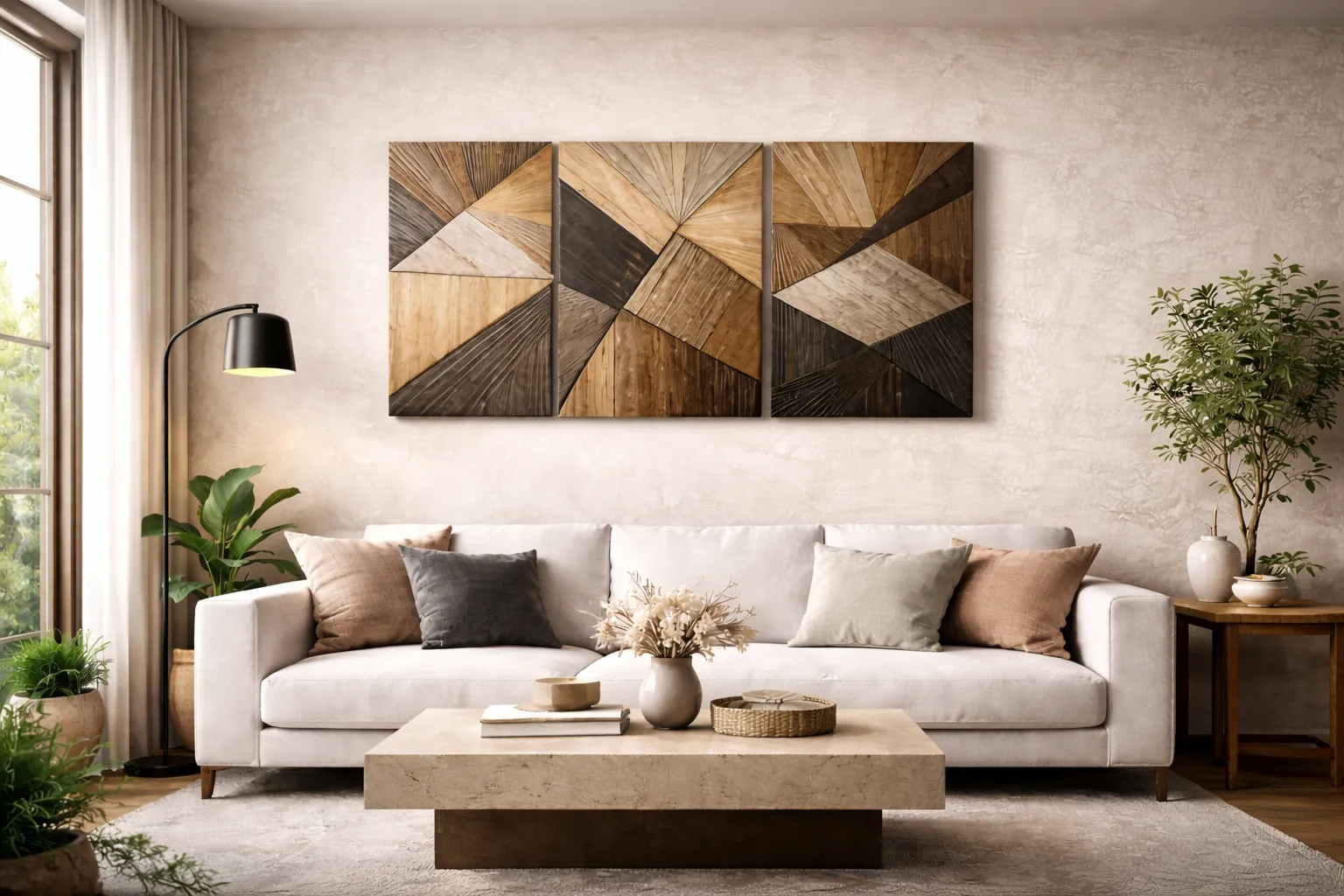
Introduction
Step Inside the world of wood wall art – a shift that fills rooms with life, comfort, and quiet flair. Not stuck in one place, it fits snug in a sharp flat in Paris just as well as a raw space in Berlin or an old home whispering stories in Rome.Wood Wall Art Decor While most wall hangings fade into the background, these hold your gaze through grain, shape, and soul. What sets them apart? A presence that feels lived-in, flexible across eras, built to stay long after fads leave.
This lookbook walks slow through its roots, common shapes and moods, kinds of timber worth knowing, ways to pick what suits your walls best, where to hang for effect, shifts coming by 2026, how to keep surfaces fresh, trade-offs hidden beneath beauty, answers to questions asked often, sparks pulled from real homes. Finish here, walk out seeing slats, carvings, panels not just as objects but tools – ones shaped to speak softly, yet clearly, in any room they enter.
What Is Wood Wall Art Decor?
Not just flat panels, some pieces twist outward like branches reaching into the room. A single slab might carry chisel marks telling how it was shaped by hand. Instead of paint, color comes from layers deep within the grain itself. Hanging one feels less like decorating and more like placing something grown rather than made. Texture plays a role – rough edges contrast smooth curves cut with care. Unlike metal or plastic, each piece changes slightly with light, season, even humidity. Some serve double duty: holding keys while also drawing eyes. Form follows function here, yet never loses soul. Warmth radiates without effort, simply because wood remembers being alive.
Key characteristics include:
- Natural patterns and grains unique to each piece
- Fingers trace it slowly, then eyes follow close behind. Texture pulls attention without asking first. Smooth meets grain in uneven rhythm. Light catches ridges where shadows pool unexpectedly. Skin notices what vision misses at first glance
- Versatility across modern, traditional, rustic, and eclectic interiors
Common Types of Wood Wall Art
Here’s a detailed overview of the major categories of wood wall decor, highlighting their distinctive features:
- Carved Wooden Panels
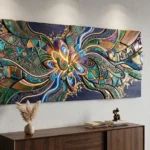
Often internal, these panels feature intricate floral motifs, landscapes, abstract designs, or geometrical patterns. Carving brings depth and elegance to any interior. - Reclaimed Wood Art
Exciting salvaged wood from barns, factories, or old furniture, reclaimed wood art conveys history and purity . - Geometric Wood Sculptures
Modern, minimalist, and sleek, these designs employ clean lines, 3D layering, and repeating patterns to create a sophisticated optical effect. - Custom Engraved or Personalized Pieces
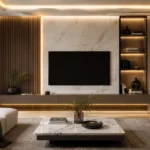
Personalized art — including names, initials, quotes, or symbolic shapes — adds corny value and a sewn aesthetic to your walls. - Wood Slat Panels & Wall Systems
Modular slat systems allow for creative shape and accent walls. These skilled panels are perfect for feature walls and large-scale installations. - Layered 3D Wood Art
By adding depth through multiple layers, 3D wood art provides dimension and a striking focal point for any room.
Each category offers its own ambiance, story, and optical weight, making it vital to align your choice with the desired mood and interior style.
Why Choose Wood Wall Art for Your Space?
Wood wall decor isn’t merely decorative — it’s a loanin ambience, style, and durability. Here’s why many owners and designers prefer wooden art:
| Feature | Advantage |
| Warmth & Balance | Adds a cozy, inviting feel to rooms |
| Versatility | Complements rustic, modern, Scandinavian, minimalist, and bohemian interiors |
| Sustainability | Can be sourced from reclaimed or eco-friendly wood |
| Durability | Lasts longer than canvas or paper art when properly maintained |
| Character & Storytelling | Every piece has unique grains and balance that narrate an optical story |
By combining use and flair, wood wall art offers more than decoration—it adds to the overall emotional and aesthetic practice of your home.
Popular Styles of Wood Wall Art Decor
Carved & Handcrafted Panels
Overview: Hand-carved panels are highly detailed and culturally rich, featuring floral designs, landscapes, abstract forms, or geometrical motifs.
Best For: Feature walls, hallways, living rooms
Why They Stand Out: Each piece is exactly crafted, bringing purity and artistic value distant in mass-produced items. They often reflect traditional craft and a story fixed in every trench and line.
Reclaimed Wood Art
Overview: Made from previously used wood, reclaimed pieces bluster wise balance, color change, and a simple charm.
Best For: Simple interiors, eco-sure homes, accent walls
Example: A reclaimed wooden world map serves as a warm, earthy climax for a living room, blending history and new décor seamlessly.
Geometric & Modern Wood Sculptures
Overview: Perfect for new or minimalist interiors, geometrical wood sculptures often feature clean lines, covered panels, or repeating 3D patterns.
Ideal Locations: Living rooms, offices, minimalistic bedrooms
Custom & Personalized Wooden Pieces
Overview: Personalization remains a timeless trend. From family names to artistic quotes, carved wooden messages create emotional fullness.
Ideal For: Stoops, children’s rooms, wedding gifts
Benefit: These pieces evoke nostalgia, turning your walls into a gallery of personal stories.
Wall Panel & Slat Systems
Overview: Slat panels transform walls into optical statements. Modular and flexible, they can create patterns, balance, or large accent walls.
Perfect For: Bedroom feature walls, living areas, dining rooms
Design Tip: Combine different wood finishes or heights for bottom and dynamic optical appeal.
Choosing the Right Wood Material
Selecting the true wood is vital as it affects aesthetic, grit, and maintenance requirements. Here’s a guide:
| Wood Type | Look & Feel | Ideal For | Notes |
| Oak | Warm, traditional | Simple & classic interiors | Long-lasting and strong |
| Walnut | Dark, luxurious | Modern, high-end zones | Smooth, elegant finish |
| Pine | Light, natural | cost-friendly decor | Softwood; easier to dent |
| Reclaimed Wood | Aged, textured | Eco-conscious, rustic interiors | Each piece is unique |
| MDF / Engineered Wood | Smooth, uniform | Paintable modern pieces | Affordable and versatile |
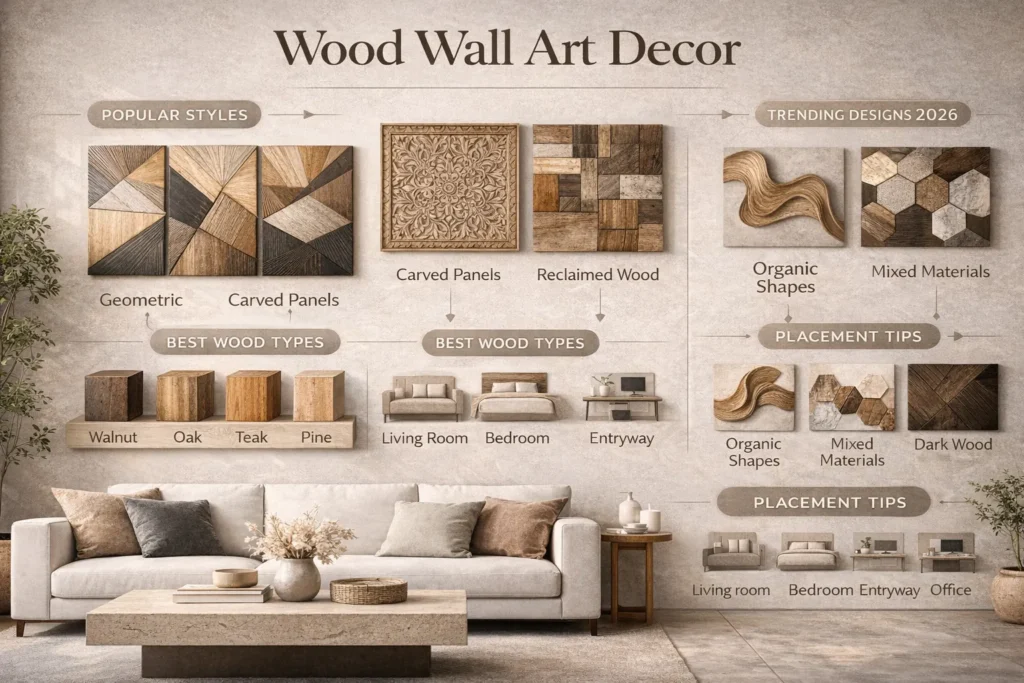
Step-by-Step: Selecting the Perfect Wood Wall Art
Part Your Wall & rule Placement
- Part wall width and height
- Assess spacing from furniture and other wall elements
- Leave 8–12 inches above or around furniture for balance
Match Wood Tone to Room Palette
- Choose wood shades that accompaniment flooring, furniture, taps, and walls
- Example: Dark walnut contrasts beautifully with cream walls, creating a luxurious, modern feel
Choose a Style That Resonates
- Decide between bold or slight, simple or modern, ornate or minimalist
- Ensures peace and coherence with existing décor
Select Proper Size & Shape
- Large walls accommodate statement pieces or clusters
- Narrow walls benefit from vertical panels or tall sculptural pieces
Pick Hanging Hardware
- For heavy pieces, use French wood, wall anchors, or ensure mounting into post
- Light pieces may only require robust hooks
Styling Tips Room by Room
Living Room
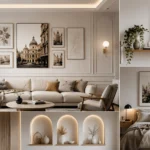
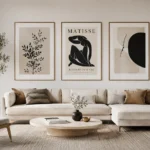
- Place large panels above sofas
- Cluster medium pieces for a gallery effect
- Pair wood with cotton and flower for feeling
Example: A carved oak panel over a gray sofa creates a warm, inviting focal point.
Bedroom
- Light wood panels above beds foster relaxation
- Use matching bedside wooden accessories for cohesion
Example: Pine slat artwork adds a slight feeling without powerful zones.
Kitchen & Dining
- Small wood shapes or signs near shelves add charm
- Pair with wares or golden accents for contrast
Example: Geometrical wooden panels beside a dining table add sophistication.
Office & Hallways
- Carve motivational quotes for inspiration
- Create mini gallery walls to personalize hall
Example: A wooden recall in a study can uplift mood and enhance production.
Maintenance & Care Guide
To preserve wooden wall art:
- Dust Regularly: Use a soft, dry cloth
- Shun Direct Sunlight: Prevent fading and blemish
- Control Moisture: Keep away from bathrooms or dank areas
- Polish Occasionally: Mild wood wax enhances shine every few months
- Handle Carefully: Especially for reclaimed wood, whose patina adds character
2026 Trends in Wood Wall Art Decor
- Sustainable Reclaimed Wood: Eco-friendly choices remain a preference
- Geometrical 3D Forms: Multi-covered designs for bottom
- Mixed Material Art: Wood combined with metal, glass, or wares
- Personalized Quotes: Custom carving stays popular
- Minimalist European Panels: Clean, understated elegance for modern interiors
Pros & Cons of Wood Wall Art Decor
Pros:
Timeless and versatile
Eco-sure options available
Durable and long-lasting
Adds character and passion
Cons:
Requires secure mounting for also pieces
Keen to rain and sunlight
Premium wood types can be pricey
FAQs
Removable wall anchors
Heavy-duty hooks
French cleat systems
Absolutely. Minimalist shapes with smooth finishes complement new zones.
Hardwoods such as oak, walnut, and teak are ideal.
Pair with metal, canvas, mirrors, or cotton for covered optical appeal.
Yes, if properly sealed and seated away from high-rain areas.
Real Examples & Inspiration
- Scandinavian Minimalist: Geometric wood panels near white sofas
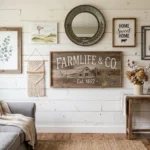
- Rustic Farmhouse: Reclaimed wood with natural nails or painted edges
- Industrial Style: Mixed wood and black metal frames
- Modern Luxury: Dark walnut geometric sculptures in elegant living areas
Conclusion
A fresh look at blank walls might just begin with grain and shadow. Hand-carved pieces bring quiet character where paint cannot reach. Instead of clutter, one strong panel holds its ground like something spoken slowly. Old barn wood finds new breath indoors, telling age without saying a word. Sharp angles in light oak contrast soft corners, offering balance without trying too hard. Choose what hums near you – not loud, but steady in presence. Placement changes everything: high above furniture, low along hallways, angled toward morning sun. Colors matter less when texture does most of the talking. A wipe now and then keeps dust from dulling depth. What begins as detail becomes part of how rooms feel over time.