Introduction
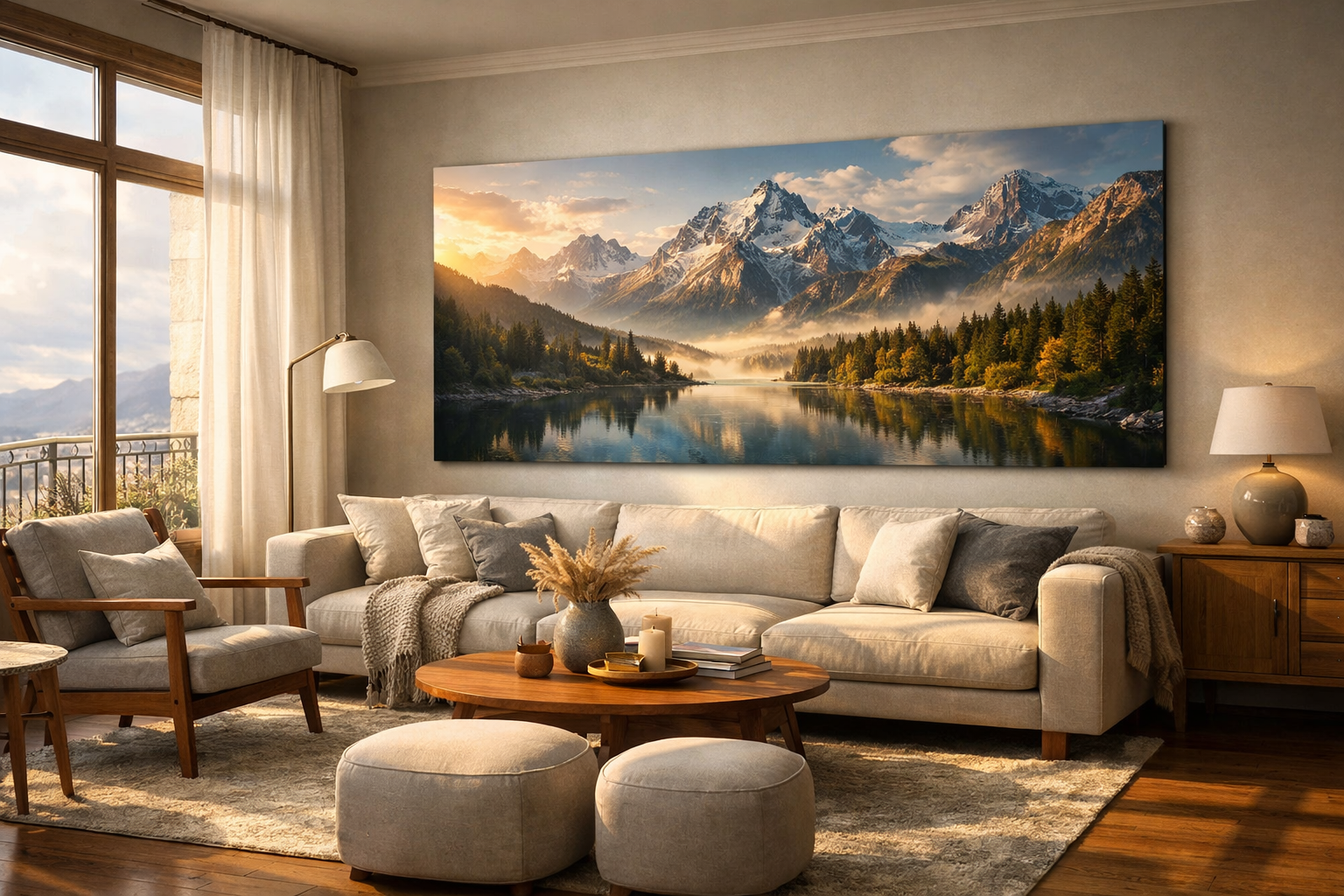
A quiet forest on canvas might soften a bright kitchen corner while changing how the zone feels. Depending upon where you live – a minimalist flats above a Stockholm alley, perhaps – art shifts mood without making noise. Picture rolling hills behind an old farmhouse table in Tuscany; light hits differently there. A cobblestone scene tucked beside a window in Paris adds bottom where walls once felt flat. This look at European wall pieces digs into origins, shapes, feelings, and how people today hang them. Choices like wood finish or print feeling matter more than size sometimes. Placement near morning light often surprises even long-term owners.
Introduction: Why Landscape Wall Art Matters
A picture on a wall does more than just sit there. Through color and scene, it sets a mood, tells quiet tales, leaves clues about who lives there. Across Europe today, homes built around airiness, zone flow, and balance find that one right outdoor image shapes how a place feels. A well-chosen view doesn’t fill in the blanks – it speaks before words.
Key Reasons Landscape Wall Art Is Essential
- Enhances Mood: Natural scenes — mountains, meadows, rivers, or coastal horizons — evoke tranquility and relaxation.
- Expands Perception: Broad panoramas can make compact zones feel more expansive.
- Reflects Identity: Displays your affinity for nature — alpine peaks, rolling hills, calm lakes, or sunsets over the Mediterranean.
- Creates Visual Flow: Guides the eye and promotes peaceful room composition.
In European décor, landscape art frequently embodies cultural references:
- Nordic Homes: Prefer serene, minimalistic landscapes with muted jewels.
- French Interiors: Embrace romantic pastoral vistas.
- Italian Villas: Favor dramatic panoramas with rich hues and feelings.
By integrating landscape wall art thoughtfully, owners cultivate zones that are both optically captivating and emotionally engaging.
What Is Landscape Wall Art?
Landscape wall art is a creative depiction of natural scenery — ranging from mountains, forests, rivers, and beaches to rural countryside and seascapes. Unlike abstract or conceptual art, landscape art represents tangible places or realistic vistas, often drawing inspiration from real-world European geography.
Forms of Landscape Wall Art
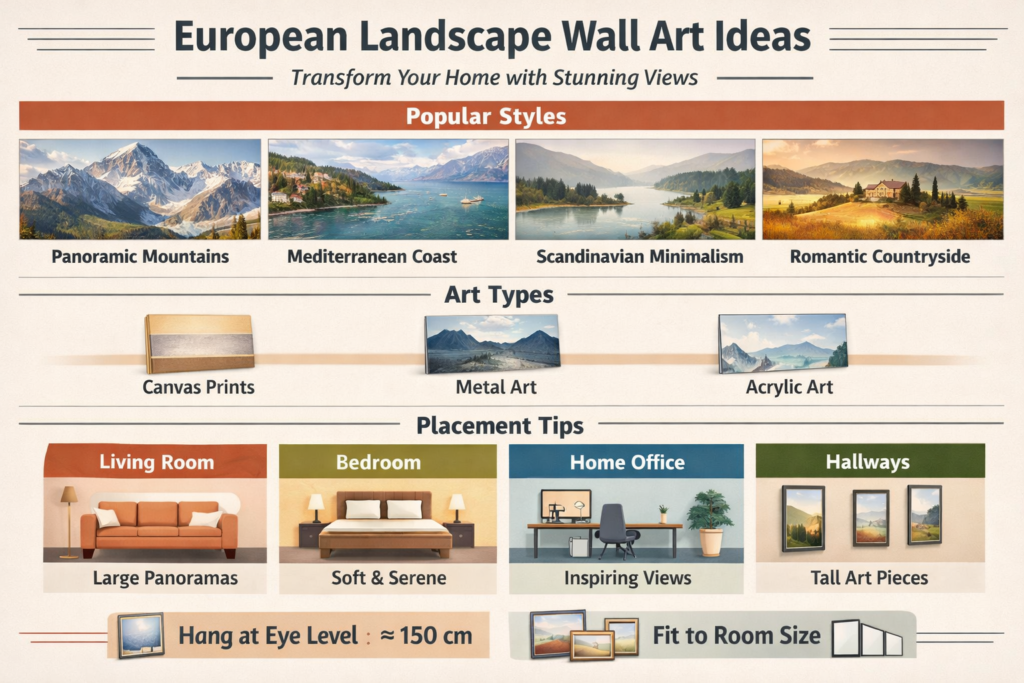
- Canvas Prints: Offer warm, balanced, painterly effects.
- Framed Photography: Delivers crisp, precise opticals ideal for modern aesthetics.
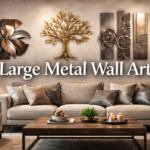
- Metal or Acrylic Art: Modern, glossy, and vibrant, perfect for new zones.
- Multi-Panel Gallery Walls: Dramatic and flexible, suitable for expansive European walls.
European landscapes frequently depict familiar natural or historic settings, from the Swiss Alps to the Mediterranean coastline, connecting interior zones to regional heritage and optical storytelling.
History and Influence in European Art
Europe boasts a profound lineage of landscape painting that shapes how new interiors embrace wall art. Different art movements influenced perception, mood, and technique.
| Period | Style | Notable Influence |
| Renaissance | Realism | Harmonized nature with precise detail |
| Romanticism | Emotional Landscapes | Emphasis on feeling, light, and air |
| Impressionism | Light & Color | Soft, delicate rendering, capturing transient light |
| Modern | Abstract + Bold | Innovative compositions, vivid and daring tones |
Legendary European artists such as Claude Monet and Caspar David Friedrich demonstrated how landscapes could express emotion, culture, and beauty. Their work inspires modern wall decor across Europe, ensuring that landscapes remain timeless in both form and function.
Types of Landscape Wall Art
Understanding the diverse forms of landscape wall art helps tailor the selection to specific interiors and personal style.
| Type | Best For | European Style Example | Effect |
| Canvas Prints | Living rooms, bedrooms | Minimal Scandinavian | Warm, textured, painterly |
| Framed Photography | Modern apartments, offices | Parisian flats, Berlin lofts | Clean, crisp, contemporary |
| Metal / Acrylic Art | Contemporary spaces | Swiss, German modern homes | Bold, luminous, eye-catching |
| Multi-Panel Gallery | Large feature walls | Italian villas, Spanish residences | Dramatic, custom, versatile |
Each type has its own visual language, allowing European homeowners to harmonize their art with architecture, furniture, and lighting.
How to Choose the Perfect Landscape Wall Art
Selecting the ideal landscape art involves evaluating the room, style, color palette, dimensions, and desired mood.
Step 1: Assess the Room & Atmosphere
- Living Room: Panoramic mountain vistas, ocean horizons, or layered forest scenes.
- Bedroom: Serene fields, gentle hills, soft watercolor landscapes.
- Home Office: Inspiring fjords, mountainous regions, or forested pathways to boost creativity and reduce stress.
Step 2: Complement Your Decor
Color coordination ensures cohesion:
- Neutral walls → pastel landscapes or muted greens
- Dark furnishings → bright, saturated landscapes
- Warm tones → golden sunsets or autumnal forests
Step 3: Consider Scale
Size matters in spatial balance:
- Above a sofa → artwork should cover roughly two-thirds of width
- Small walls → a single medium-sized piece suffices
- Large walls → gallery arrangements or multi-panel setups create impact
Step 4: Mind the Lighting
- Bright spaces → matte or lightly balanced finishes prevent glare
- Dimly lit rooms → metal or glossy finishes enhance vibrancy
By systematically considering these steps, owners can achieve a peaceful, eye-pleasing arrangement.
Best Landscape Wall Art Ideas by Room
Living Room
- Panoramic mountain ranges above seating
- Mixed gallery walls featuring lakes, forests, and coastlines
- Mediterranean sunset scenes
Bedroom
- Soft watercolor fields above the bed
- Pastel-toned pastoral prints
- Minimal Scandinavian-inspired landscapes
Home Office
- Majestic fjord or alpine photography
- Peaceful forest pathways for stress reduction
- Framed metallic images for modern flair
Hallways & Entryways
- Vertical elongated prints for narrow passages
- Multi-panel series for long corridor walls
- Statement pieces positioned at eye level
Materials & Finishes
Material selection affects both aesthetic and tactile qualities.
| Material | Pros | Cons | Ideal For |
| Canvas | Soft, cozy feeling | May fade in sunlight | Nordic, simple interiors |
| Framed Prints | Sharp, refined | Requires precise framing | Modern flats |
| Metal | Bold, luminous | Reflective, heavy | New homes |
| Wood | Natural passion | Can warp | Rustic, classic European zones |
| Acrylic | Vibrant, bright | Expensive | Luxury or high-end zones |
Tips:
- Canvas → cozy and inviting
- Metal → dramatic, crisp visuals
- Wood → earthy, traditional warmth
Placement Tips
Proper positioning ensures art complements architecture and furniture.
Placement Guidelines
- Eye level ≈ 150 cm from floor
- Above sofas → art spans two-thirds of sofa width
- Clustered pieces → maintain 5–8 cm spacing
- Centered pieces → align with furniture for symmetry
Creative Placement Ideas
- Staircases → long vertical artwork
- Above consoles → medium-sized panels
- High ceilings → tall panels or multi-piece galleries
Common Mistakes to Avoid
Even excellent art can appear misplaced if not thoughtfully installed. Shun:
Undersized pieces for large walls
Color clashes with furnishings
Overcrowded gallery arrangements
Hanging artwork too high or low
Pro Tip: Use templates or paper cutouts to visualize placement before purchase.
European Styling Tips for Landscape Wall Art
European interiors have distinctive traits. Applying these can elevate your landscape art:
- Layer Textures: Combine canvas, wood, and metal for bottom.
- Symmetry & Alignment: Coordinate art with architectural details.
- Seasonal Adaptation: Choose colors that harmonize with changing daylight and seasons.
- Cultural Nuances: Incorporate subtle European landmarks for authenticity.
Palette Examples
- Scandinavian: Soft greys, pastels, natural hues
- French Classic: Creams, golds, warm neutrals
- Mediterranean: Deep blues, terracotta, vibrant sunsets
FAQs
A: Cover approximately two-thirds of the furniture width for balance, especially above sofas.
A: Color invigorates and sets mood; black & white emphasizes elegance and calm.
A: Canvas conveys passion and artistry; framed prints offer crisp, modern appeal.
A: Absolutely. Combining canvas, photography, and metal creates dynamic energy.
A: Use tall panels or multi-panel ensembles to fill the vertical zone.
Conclusion
Outdoors flowing into rooms – that’s what landscape murals do across Europe. Not just decoration, these works tie spaces to natural scenes while shaping how light and feeling mix inside. Whether it’s a sleek Nordic flat or a bold southern estate, chosen well, they shift air without effort. Taste shows up quietly through such choices.
Start by looking at the zone- notice how light moves, then match tones so they settle well together. Instead of rushing, choose surfaces that respond to touch and time. Position each piece like it has always belonged there. When choices follow feeling, empty areas turn into quiet moments you can walk inside.