Introduction
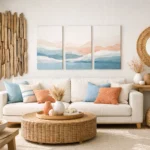
A single glance at mountain art might pull you toward quiet reflection. Instead of filling walls with clutter, one strong image brings the zone alive through stillness. From sharp alpine peaks caught in crisp detail to soft brushwork hinting at far northern skies, each version speaks differently. A wide scene from Scotland could stretch across a wall like breath held too long. Even something loosely shaped, drawn from distant ideas rather than real places, carries weight. Right choices shift how light feels, how air moves, how time slows inside four corners.
In 2026, European interior design emphasizes the marriage of natural elements, emotional resonance, and new aesthetics. Mountain-themed décor is perfect for those seeking a tangible connection to the outdoors, a sense of spatial bottom, or a peaceful yet motivating environment within their homes. The psychological and optical benefits of mountain wall art are especially relevant in urban residences, where direct access to panoramic landscapes is limited.
What Is Mountain Wall Art?
Mountain wall art encompasses all forms of artistic representation of mountain ranges, peaks, valleys, and stylized landscapes. This type of décor spans various mediums, each suited for different tastes and zones:
- Paintings: Traditional hand-painted or digitally rendered, ranging from lifelike realism to abstract interpretations.
- Canvas Prints: Textured, ready-to-hang reproductions that combine optical appeal with tactile sophistication.
- Murals: Expansive installations that can envelop an entire wall, creating an immersive environment.
- Posters: Budget-friendly and easily interchangeable options ideal for experimentation.
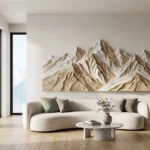
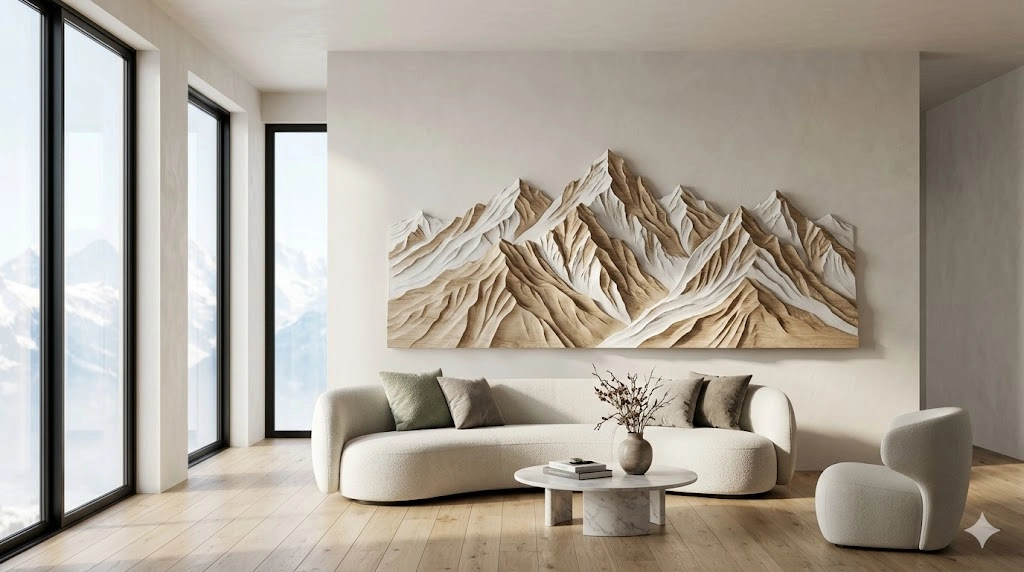
- Sculptures: Three-dimensional metal, wood, or mixed-media representations that introduce bottom and feeling.
Symbolism & Meaning
Mountains transcend mere scenery; they are potent symbols embedded with cultural, emotional, and psychological significance:
- Resilience & Fortitude: Peaks symbolize perseverance, stability, and strength, reminding viewers of the power to overcome challenges.
- Connection to Nature: Mountain vistas evoke tranquility, grounding, and restorative calm, especially impactful in densely populated urban settings.
- Aspiration & Adventure: Vertical landscapes represent ambition, exploration, and the human desire to ascend beyond limitations.
In European interiors, mountain wall art frequently functions as a conduit for serenity, linking indoor zones with the rejuvenating essence of the outdoors.
Why Mountain Wall Art Works
Psychological Impact
The influence of mountain imagery on human psychology is substantial, supported by biophilic design principles, which emphasize humans’ innate connection to nature.
- Biophilic Design Benefits: Exposure to natural landscapes through optical art reduces stress, lowers blood pressure, enhances mood, and encourages mental clarity.
- Color Psychology:
- Blues & Greens: Induce calm, relaxation, and a meditative state.
- Earth Tones: Promote groundedness, passion, and balance.
- Sunset Hues (or Warm Gradient Colors): Stimulate creativity, energy, and optimism.
- Spatial Perception: Vertical mountain compositions optically elongate walls, fostering a perception of spaciousness and height in compact interiors.
Interior Design Advantages
Mountain-themed art offers versatile design functionality:
- Serves as a striking focal point in modern, simple, minimalist, or eclectic rooms.
- Integrates seamlessly into gallery walls, layering different mediums, feelings, and frames.
- Offers placement flexibility, enhancing living rooms, bedrooms, hallways, and even professional offices.
- Creates optical narrative continuity by linking décor with natural or architectural elements in European homes.
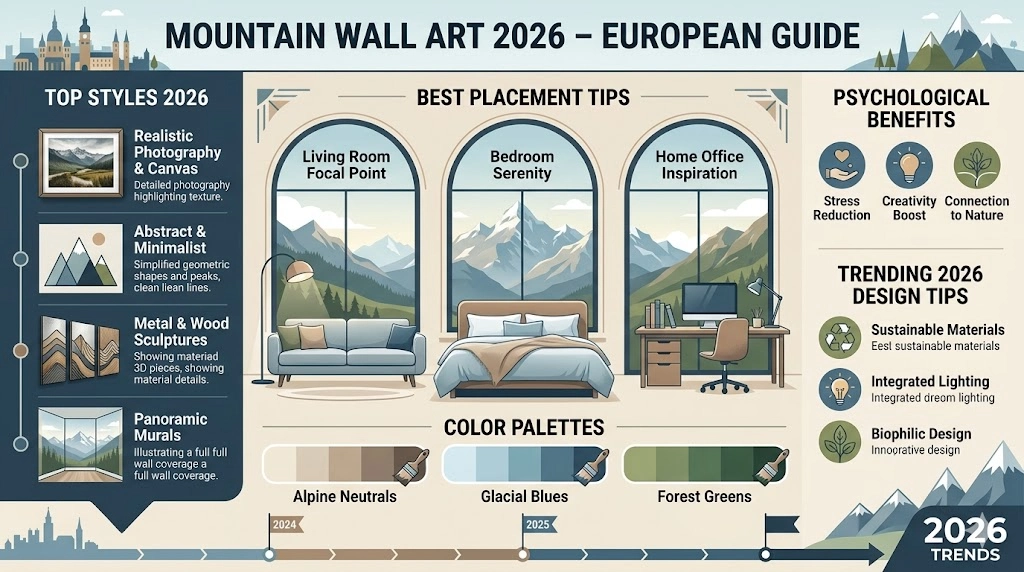
Most Popular Mountain Wall Art Styles
| Style | Description | Ideal Placement | European Inspiration |
| Realistic Landscape Photography | Ultra high-resolution imagery capturing natural mountain vistas | Living rooms, offices, dens | Swiss Alps, Scottish Highlands, Norwegian fjords |
| Canvas Mountain Art | Textured prints with painterly aesthetics, sometimes hand-finished | Above sofas, headboards, feature walls | French Alps, Austrian alpine chalets |
| Abstract & Minimalist | Geometric or stylized mountains using minimal forms and colors | Modern galleries, minimalist interiors | Scandinavian and Nordic interiors |
| Metal & Wood Sculptural Art | 3D designs integrating natural materials, offering tactile bottom | Hallways, entryways, accent walls | Italian contemporary, German design ateliers |
| Mixed Media & Panorama Murals | Multi-material wall installations for dramatic effect | Entire walls, commercial interiors, lofts | Spanish Sierra Nevada, Portuguese mountain ranges |
Each style carries unique benefits and harmonizes with different interior themes, allowing owners to express their personality while maintaining cohesion with European design aesthetics.
How to Choose the Right Mountain Wall Art
Selecting the perfect mountain wall piece involves balancing personal taste, spatial considerations, and psychological impact. Here’s a structured approach:
- Consider the Room’s Functionality:
- Living rooms → panoramic vistas or bold murals create conversation-worthy focal points.
- Bedrooms → calming, muted tones for relaxation.
- Offices → inspiring landscapes for productivity and focus.
- Evaluate Wall Size and Proportions:
- Large walls → oversized murals or multi-panel canvases.
- Smaller walls → single canvas or sculptural pieces.
- Align with Existing Interior Style:
- Minimalist → abstract or geometric representations.
- Rustic → wood or earthy canvas prints.
- Modern → metallic sculptures or bold mixed-media works.
- Emphasize Color Harmony:
- Match the piece with the room’s color palette, considering complementary tones or deliberate contrast for visual interest.
- Check Material & Durability:
- Consider print longevity, frame quality, UV resistance, and suitability for high-humidity areas like kitchens or bathrooms.
- Emotional Resonance:
- Choose images or forms that personally inspire or soothe you, as Psychological engagement amplifies the artwork’s impact.
Placement Guide for European Interiors
Proper positioning amplifies the beauty and psychological benefits of mountain wall art.
- Eye-Level Alignment: Most wall art should be positioned so the central focal point is approximately 145–155 cm from the floor.
- Complementing Furniture: Place above couches, beds, or consoles for a balanced composition.
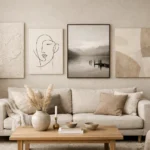
- Layering & Gallery Walls: Mix mountain prints with complementary artwork, framed quotes, or sculptural pieces.
- Lighting Considerations: Use accent lighting, spotlights, or natural illumination to highlight feelings, colors, and bottom.
- Room Function & Mood: Ensure placement aligns with the room’s intended vibe: calming in bedrooms, motivating in offices, energizing in communal zones.
Mountain Wall Art Trends 2026
European trends for 2026 emphasize innovation, emotional resonance, and cross-disciplinary artistry:
- Biophilic Minimalism: Simplified mountain forms integrated with neutral palettes.
- Multi-Panel & Modular Canvases: Flexible layouts allow dynamic wall composition and rotation.
- Panoramic Wall Murals: Full-wall landscapes that immerse viewers in nature.
- Mixed Media Fusion: Blending wood, metal, and acrylic for tactile and optical complexity.
- AI-Enhanced & Digital Prints: Hyper-realistic or surreal mountain scenes generated via AI and digital design tools.
- Eco-Conscious Materials: Sustainable paper, reclaimed wood, and recycled metals dominate premium European collections.
Designer Tips
- Use vertical mountain lines to elongate low ceilings.
- Integrate plants or natural elements for biophilic peace.
- Shun clutter around bold murals; let the artwork speak.
- Rotate smaller prints seasonally to refresh interiors without permanent changes.
Common Mistakes to Avoid
- Placing artwork too high or low, disrupting optical balance.
- Choosing pieces that clash with room color or theme.
- Overcrowding walls, especially with murals or large-format prints.
- Ignoring scale relative to furniture or wall dimensions.
Frequently Asked Questions
Absolutely. Use smaller canvases, modular panels, or vertical designs to maximize impact without overwhelming the zone.
Yes. High-resolution prints can replicate color fidelity, feeling, and emotional effect when printed on quality canvas or archival paper.
Dust regularly with a microfiber cloth. Shun direct sunlight for printed or painted canvases to prevent fading.
Earth jewels, blues, and muted greens harmonize with Scandinavian and Central European interiors, while warmer sunset hues suit Mediterranean-moved zones.
Pros & Cons of Mountain Wall Art
Pros:
- Enhances mood and reduces stress.
- Acts as a versatile focal point.
- Supports a wide range of décor styles.
- Easy to update or rotate.
Cons:
- Oversize pieces may dominate small zones.
- Murals require commitment and careful planning.
- Material quality affects longevity.
Conclusion
Mountain wall art is a transformative element in European interior design for 2026. By understanding styles, placement strategies, psychological impacts, and emerging trends, owners can elevate their zones with nature-moved sophistication. Whether through a minimalist Scandinavian canvas, a dramatic Swiss Alps panorama, or a balanced Italian sculptural piece, mountain art offers a timeless blend of serenity, aspiration, and aesthetic excellence.