Introduction
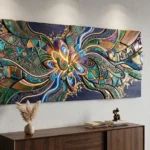
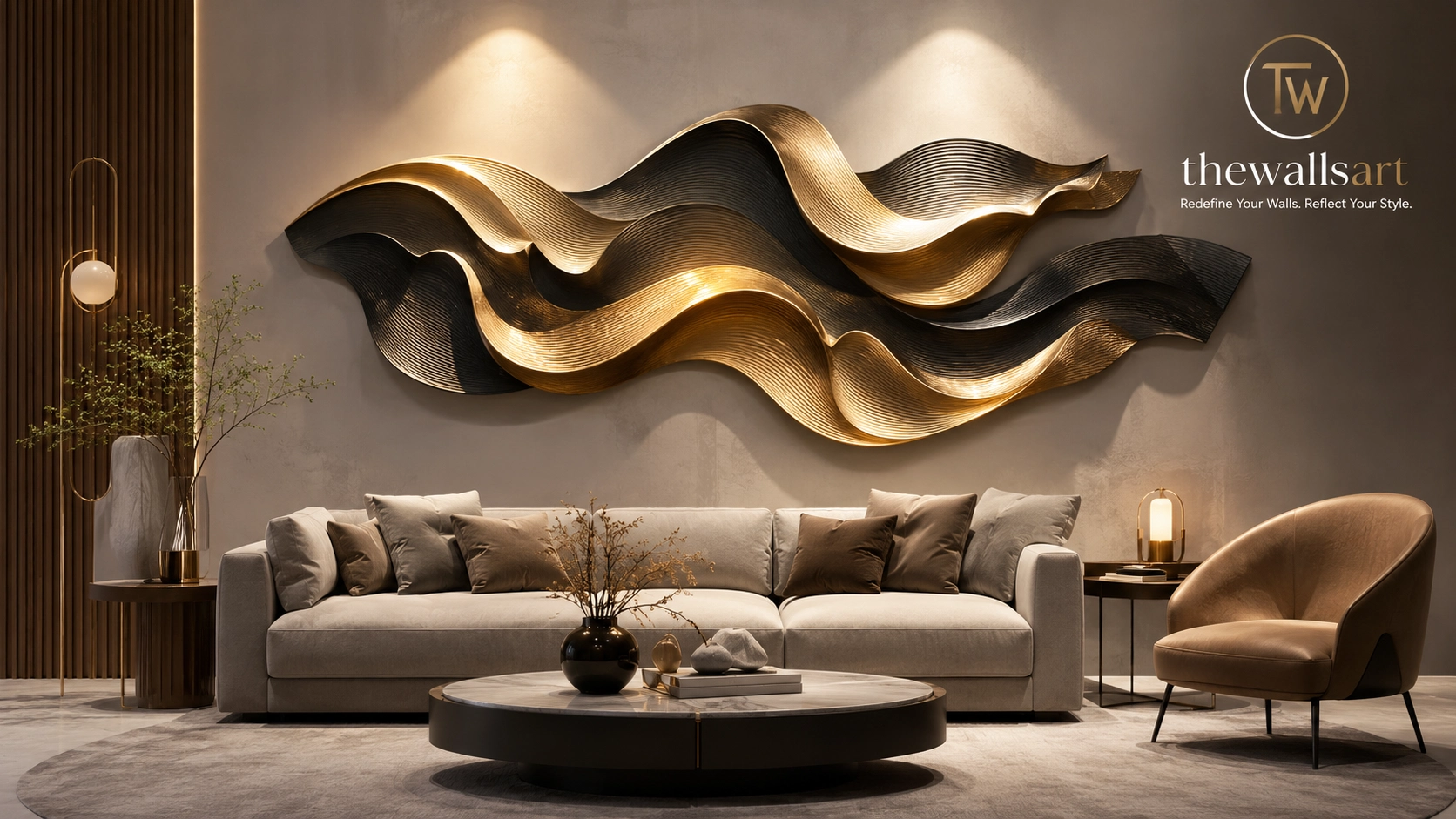
Wall art sculpture is no longer just a decorative trend—it has become a defining element of modern interior architecture. Unlike traditional flat paintings, a Wall Art Sculpture introduces depth, texture, and movement, transforming ordinary walls into living design statements.
Across Europe, from minimalist apartments in Germany to luxurious villas in Italy and Scandinavian-inspired homes in Sweden, homeowners are embracing sculptural wall decor to create emotionally engaging and visually dynamic interiors. The rise of 3D aesthetics reflects a deeper shift in design philosophy: interiors are no longer about decoration alone—they are about experience.
In modern living spaces, wall sculptures interact with light and shadow throughout the day, changing the mood of a room naturally. This makes them a powerful tool for designers aiming to balance elegance, personality, and architectural depth.
In this complete guide, we will explore everything about wall art sculpture—from materials and styles to room-by-room applications and European design trends shaping the future of interior aesthetics.
What Is Wall Art Sculpture?
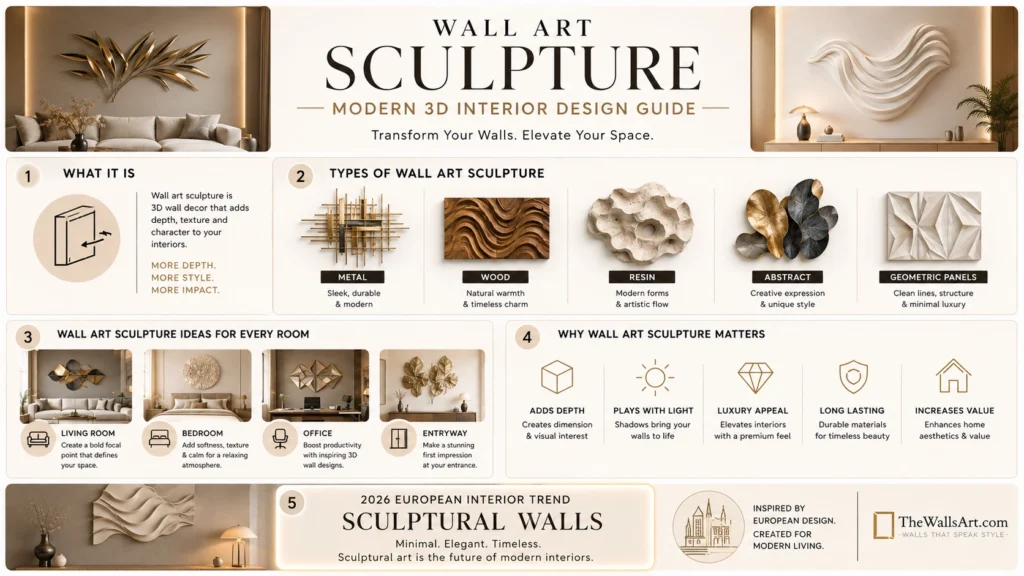
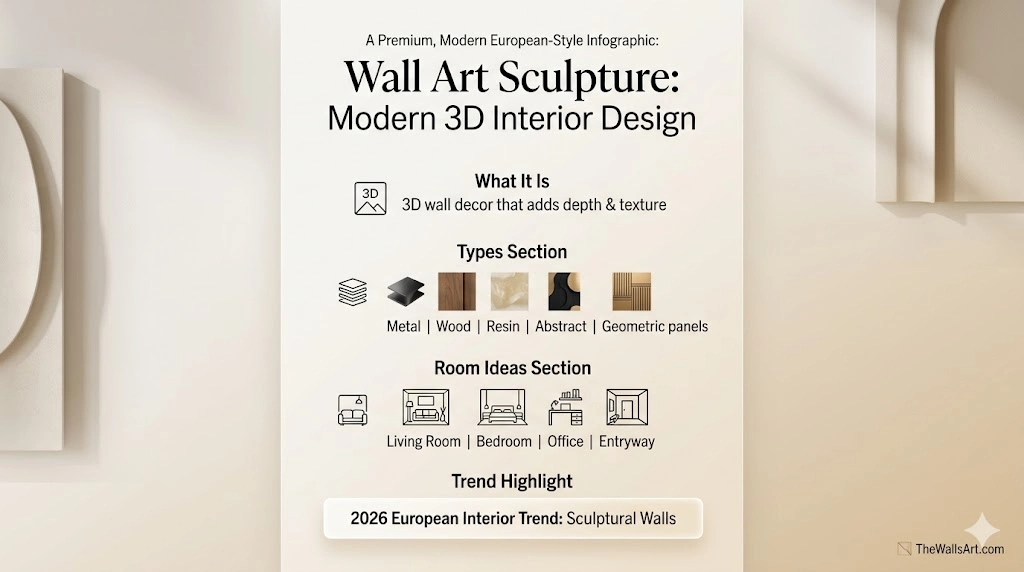
A wall art sculpture is a three-dimensional artwork mounted or integrated into a wall surface. It can be made from metal, wood, resin, plaster, or mixed materials and is designed to create depth and texture beyond flat wall decor.
Unlike paintings, which rely on color and imagery, wall sculptures rely on form, shadow, and structure. This makes them more architectural in nature.
Key Characteristics:
- 3D physical depth from wall surface
- Interaction with natural and artificial light
- Material-driven texture (metal, wood, resin, etc.)
- Strong focal point creation in interiors
Wall Painting vs Wall Sculpture
| Feature | Wall Painting | Wall Art Sculpture |
| Dimension | 2D flat surface | 3D textured depth |
| Light interaction | Minimal | Strong shadow effects |
| Style impact | Visual storytelling | Architectural statement |
| Durability | Medium | High (depends on material) |
| Design role | Decorative | Structural focal point |
Wall sculptures are increasingly preferred in luxury and modern minimalist homes because they elevate walls from background elements to central design features.
Types of Wall Art Sculpture
Metal Wall Art Sculpture
Metal sculptures are the most popular in contemporary European interiors. Materials like iron, aluminum, and brass create sleek, reflective surfaces that enhance luxury aesthetics.
- Best for: modern, industrial, luxury interiors
- Style: geometric, abstract, linear patterns
- Effect: bold and sophisticated presence
Wooden Wall Sculptures
Wood adds warmth and organic texture, making it ideal for Scandinavian and rustic homes.
- Best for: Nordic, boho, natural interiors
- Style: carved, layered, organic forms
- Effect: warm, calming atmosphere
Abstract Resin Sculptures
Resin allows fluid, artistic shapes that feel modern and expressive.
- Best for: contemporary apartments
- Style: flowing abstract designs
- Effect: creative and artistic energy
Geometric 3D Wall Panels
These are structured, repeating forms often used in minimalist interiors.
- Best for: modern minimalist homes
- Style: symmetry and clean lines
- Effect: order and visual rhythm
Luxury Handmade Sculptures
Handcrafted pieces often combine multiple materials for a premium finish.
- Best for: luxury villas and hotels
- Style: custom artistic expressions
- Effect: exclusivity and uniqueness
Why Wall Art Sculpture Is Trending in Europe
The rise of Modern Wall Sculpture Decor is strongly influenced by European design culture, where simplicity meets sophistication.
Key Reasons for Popularity:
- Minimalist living trends across countries like Germany and Sweden
- Luxury hotel-inspired interiors across France and Italy
- Social media influence (Pinterest, Instagram interior trends)
- Demand for texture-rich, non-flat wall designs
- Shift toward “less but meaningful” home decor
European interiors increasingly favor statement pieces instead of cluttered decoration. A single wall sculpture often replaces multiple decorative items.
Best Materials Used in Wall Art Sculptures
Material selection defines the emotional impact of a sculpture.
Metal
- Durable and long-lasting
- Reflects light beautifully
- Perfect for luxury interiors
Wood
- Natural and organic feel
- Works well in Scandinavian homes
- Adds warmth to neutral spaces
Resin
- Flexible design possibilities
- Smooth and modern finish
- Ideal for abstract art styles
Gypsum / Plaster
- Architectural depth effect
- Common in European classical interiors
- Great for wall paneling designs
Mixed Media
- Combination of multiple materials
- High-end artistic expression
- Often used in luxury interior projects
Wall Art Sculpture Ideas for Every Room
Living Room Wall Sculpture Ideas
The living room is the heart of the home. Large Metal Wall Art Sculptures above sofas create a bold focal point.
Bedroom Calm Designs
Soft, abstract sculptures in neutral tones create relaxation and balance.
Office Wall Art for Productivity
Geometric and structured sculptures enhance focus and discipline.
Entryway Statement Pieces
Entry walls benefit from bold sculptures that create a strong first impression.
How to Choose the Perfect Wall Art Sculpture
Choosing the right piece requires balance between aesthetics and function.
Key Considerations:
- Wall size and proportion
- Color harmony with furniture
- Lighting conditions
- Interior style consistency
- Emotional tone of the room
A large sculpture in a small room can overwhelm the space, while a small piece on a large wall may feel lost.
Modern European Wall Art Sculpture Trends 2026
European interior design is shaping global trends.
Popular Directions:
- Clean geometric structures
- Neutral palettes (beige, white, matte black)
- Nature-inspired abstract forms
- Oversized statement sculptures
- Textured wall layering
Countries like Netherlands and Denmark are leading minimalist sculptural trends, focusing on simplicity and function.
Placement Tips for Maximum Visual Impact
- Always place at eye level for natural viewing
- Use center alignment for balance
- Pair with accent lighting for depth
- Avoid overcrowding the wall
- Use negative space effectively
Lighting is especially important—shadow play enhances the 3D effect dramatically.
Wall Art Sculpture vs Wall Paintings
Pros & Cons
Pros:
- Strong visual depth
- Premium luxury appeal
- Unique design identity
- Long-lasting durability
Cons:
- Higher cost for premium pieces
- Requires careful placement
- Can be heavy depending on material
Pros:
- Affordable and widely available
- Easy to replace
- Lightweight
Cons:
- No physical depth
- Less architectural impact
- Limited interaction with lighting
Common Mistakes to Avoid
- Choosing incorrect scale for wall size
- Poor lighting setup
- Mixing conflicting design styles
- Overcrowding decorative elements
- Ignoring room proportions
Expert Interior Design Tips
- Use sculptures as focal anchors, not fillers
- Match sculpture tone with flooring and furniture
- Combine with minimal wall colors for contrast
- Use warm lighting for metal sculptures
- Keep surrounding decor minimal for luxury effect
Maintenance & Durability Tips
- Dust metal and wood sculptures regularly
- Avoid direct moisture exposure
- Use soft cloth for cleaning resin surfaces
- Ensure secure wall mounting systems
- Periodically check installation stability
People Also Ask
Yes, but scale matters. Choose smaller or vertical sculptures that don’t overwhelm the space. Minimalist designs work best in compact European apartments.
Metal and mixed media are most popular for luxury interiors. They provide durability, elegance, and a premium reflective finish.
Focus on consistency. For Scandinavian interiors, use wood. For modern luxury, use metal or abstract designs. Keep colors aligned with room tones.
Yes, high-quality sculptural wall art enhances visual appeal and can positively influence perceived property value in luxury markets.
Above the sofa or main focal wall is ideal. Ensure it is centered and supported with balanced lighting for maximum impact.
Conclusion
Wall art sculpture represents the evolution of interior design from flat decoration to immersive spatial experience. It brings together texture, depth, and artistic expression, making walls an essential part of modern storytelling in homes.
From minimalist Scandinavian apartments to luxurious Mediterranean villas, sculptural wall decor is redefining how people perceive interior spaces across Europe. Its ability to interact with light, create focal points, and elevate ambiance makes it one of the most powerful design elements today.
For homeowners and designers seeking timeless elegance, wall art sculpture is not just a trend—it is a long-term design investment. Explore more inspiration and European interior design ideas on TheWallsArt.com to transform your living spaces into true works of art.