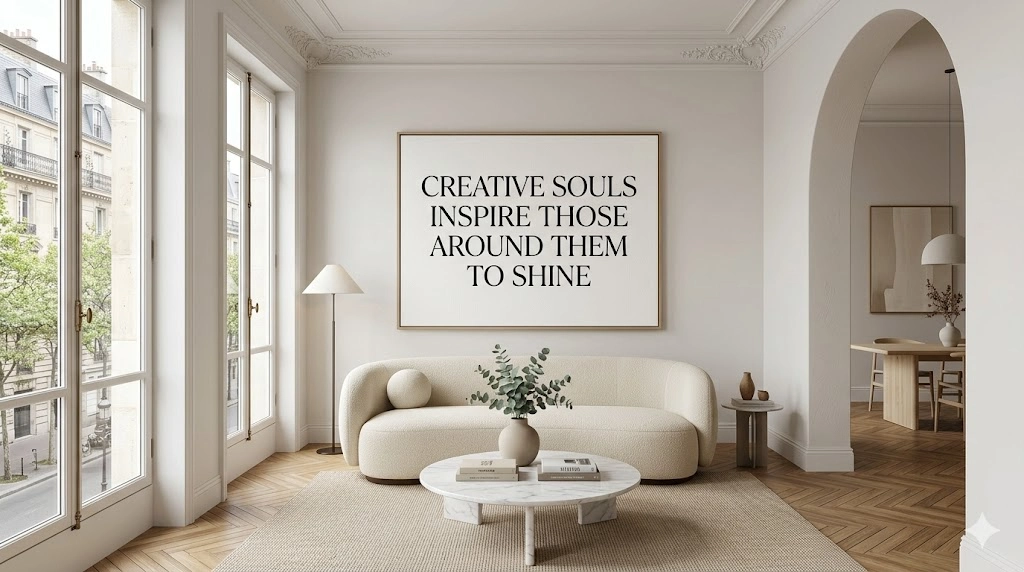
Inspirational Wall Art | Psychology, Design System & European Interior Trends
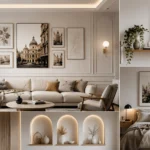
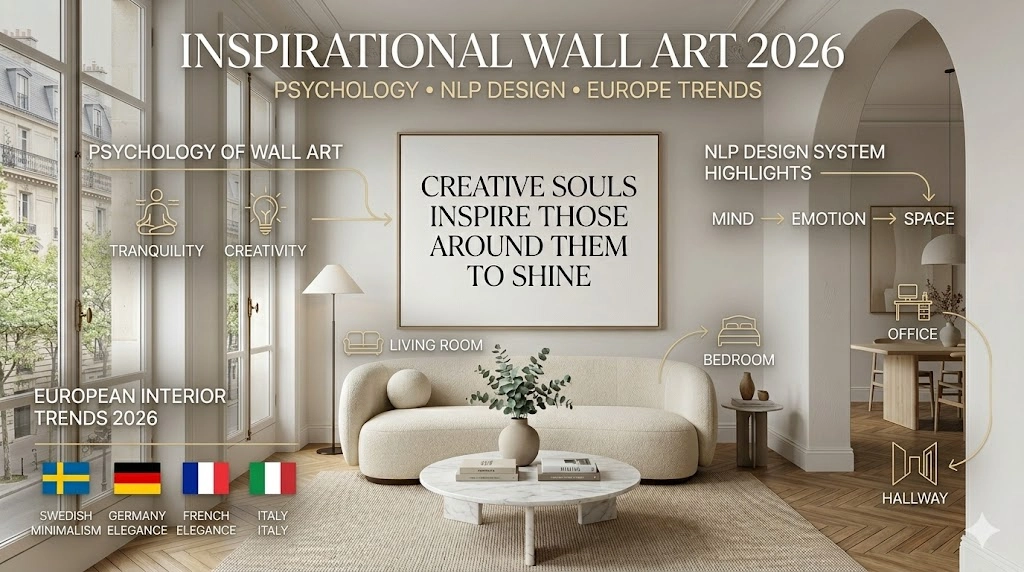
In 2026, Inspirational Wall Art has evolved far beyond traditional interior decoration. It is now recognized as a psychologically intelligent design system that blends environmental psychology, emotional influence, and modern European aesthetic principles into a unified visual language.
Across countries like Sweden, Germany, France, the Netherlands, and Italy, interior designers no longer treat wall décor as simple ornamentation. Instead, they integrate it into behavior-shaping environments that influence how people think, feel, and act inside a space.
Modern Inspirational Wall Art is used to:
- Influence emotional states through visual priming
- Increase productivity and cognitive clarity
- Strengthen identity expression within interior environments
- Build narrative-driven spatial storytelling
- Support mental wellness through structured visual cues
In neuroscience and environmental psychology, this is referred to as cognitive environmental conditioning—the idea that visual surroundings can subtly reshape human behavior over time.
This guide presents a complete European-inspired Inspirational Wall Art system, combining:
Psychological principles
NLP-based emotional framing
Interior design systems
Room-specific strategies
2026 European trends
Professional placement rules
Common design mistakes to avoid
You are about to learn not just decoration—but a strategic visual intelligence framework for interiors.
What Is Inspirational Wall Art?
Inspirational Wall Art refers to intentionally designed visual compositions that aim to influence emotional cognition, motivation, and behavioral patterns through text, typography, imagery, or symbolic expression.
Unlike traditional décor, it functions as a psychological stimulus system embedded in physical space.
Common forms include:
- Motivational quote-based typography
- Minimalist textual compositions
- Emotionally coded visual statements
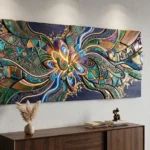
- Abstract symbolic inspiration art
- Identity-driven message prints
In modern interior architecture, Inspirational Wall Art is no longer decorative—it is functional emotional programming within space design.
Key Features of Inspirational Wall Art
- Emotion-centered visual construction
- Typography-driven communication design
- Minimalist spatial aesthetics
- Psychological language embedding
- Behavioral influence potential
- Spatial harmony integration
Why Europeans Use It in Interiors
European design culture—especially Scandinavian and Central European—prioritizes functional minimalism and emotional clarity.
Inspirational Wall Art is widely used because it:
- Eliminates unnecessary visual clutter
- Enhances cognitive clarity and mental organization
- Adds meaning without overwhelming space
- Supports purpose-driven living environments
Examples include:
- Swedish homes using calm affirmation typography
- German offices using disciplined motivational statements
- French interiors using elegant emotional minimalism
- Italian homes combining art expression with identity storytelling
Psychology Behind Inspirational Wall Art
The effectiveness of Inspirational Wall Art is rooted in behavioral psychology, cognitive perception, and NLP-based emotional framing mechanisms.
1. Visual Priming Effect
Human cognition is highly responsive to repeated visual exposure.
When individuals repeatedly observe motivational phrases such as:
- “Stay Focused”
- “Keep Moving Forward”
The subconscious mind begins to align behavior with these repeated cognitive inputs.
This phenomenon is known as visual priming, widely used in modern productivity environments.
2. Emotional Anchoring
Each artwork can act as a psychological trigger that recalls specific emotional states.
For example:
- A success-oriented quote activates ambition recall
- A calm visual composition triggers relaxation response
This creates what designers call an emotional anchor system, where visual stimuli regulate internal emotional states.
3. Cognitive Environment Design
Interior spaces are increasingly designed using cognitive behavioral principles.
| Space Type | Psychological Effect |
| Calm Design | Stress reduction |
| Motivational Design | Focus enhancement |
| Minimal Design | Cognitive clarity |
This approach transforms interiors into behavioral influence systems.
4. Mood Regulation Through Design
Wall art influences emotional balance through:
- Color psychology
- Typography weight
- Spatial density
- Visual rhythm
Examples:
- Soft beige tones → relaxation
- Bold black typography → mental focus
- White negative space → cognitive clarity
The Inspirational Wall Art Design System
Professional designers do not decorate randomly. They follow structured visual intelligence systems.
1 – Purpose-Based Design Method
Each wall must serve a defined psychological purpose:
- Motivation (Office environments)
- Calmness (Bedroom spaces)
- Warmth (Living rooms)
- Direction (Hallways and transitions)
Without purpose, visual design becomes cognitive noise.
2 – Emotional Anchoring Principle
Every room should maintain a single dominant emotional identity.
- Bedroom → Peace
- Office → Focus
- Living Room → Connection
Mixing emotional signals creates cognitive dissonance.
3 – Visual Balance Rule
Design harmony depends on:
- Wall proportions
- Furniture alignment
- Lighting direction
- Negative space distribution
A wall functions as a structured visual ecosystem, not isolated decoration.
Room-by-Room Inspirational Wall Art Strategy
Living Room – Warm Social Energy
The living room represents emotional hospitality and social cohesion.
Best Wall Art Styles:
- Neutral typography compositions
- Soft inspirational messaging
- Abstract emotional visuals
Psychological Goal:
Create warmth, openness, and emotional balance.
Example:
“Home is where life begins”
Bedroom – Calm & Emotional Reset
Bedrooms require neuro-emotional relaxation signals.
Best Styles:
- Soft affirmation typography
- Minimal line-based art
- Personal identity statements
Avoid:
- Aggressive visual contrast
- Overly dense compositions
Example:
“Breathe. Rest. Reset.”
Office – Focus & Productivity Zone
This is the most cognitively sensitive environment.
Best Styles:
- Bold typographic statements
- Monochrome minimalism
- Structured grid layouts
Impact:
- Enhances discipline
- Reduces distraction
- Improves cognitive output
Example:
“Discipline creates freedom”
Hallways – Transition Motivation Space
Hallways act as psychological transition corridors.
Best Styles:
- Sequential motivational phrases
- Short directional messaging
- Minimal visual rhythm
Example progression:
- “Start Here”
- “Keep Going”
- “Don’t Stop”
Inspirational Wall Art Styles Dominating 2026
Minimalist Typography Art
Clean, structured, whitespace-driven designs.
Ideal for modern homes and offices
Luxury Gold Accent Wall Art
Premium gold-infused typography and elegance-driven visuals.
Ideal for luxury interiors
Abstract Inspirational Art
Emotionally expressive, symbolic compositions.
Ideal for creative environments
Scandinavian Neutral Style
Soft, calm, emotionally balanced aesthetics.
Ideal for bedrooms and wellness spaces
Wall Art Placement Psychology
Eye-Level Rule
Optimal center alignment:
57–60 inches from floor
Focal Wall Strategy
3:Every room must include one dominant visual anchor wall.
Symmetry vs Asymmetry
| Style | Effect |
| Symmetry | Order, discipline |
| Asymmetry | Creativity, flow |
Gallery Wall Spacing Rule
Small frames: 2–3 inches
- Medium frames: 3–5 inches
- Large frames: 5–8 inches
European Inspirational Wall Art Trends
- French Minimal Luxury → elegant restraint
- Scandinavian Calm → emotional softness
- German Precision → structured design logic
- Italian Expression → bold emotional identity
Common Mistakes That Ruin Wall Design
- Overcrowding visual space
- Poor typography selection
- Ignoring lighting conditions
- Mixing conflicting styles
- Low-quality printing choices
How to Choose Inspirational Wall Art
- Define emotional objective
- Match room function
- Select typography style
- Choose material type
- Test layout before installation
Comparison Table – Styles vs Emotional Impact
| Style | Emotion | Room | Trend |
| Minimal Typography | Focus | Office | High |
| Gold Luxury Art | Elegance | Living Room | Medium |
| Abstract Art | Creativity | Studio | High |
| Scandinavian Style | Calm | Bedroom | Very High |
Pros & Cons
Pros:
- Enhances emotional wellbeing
- Strengthens interior identity
- Affordable design upgrade
- Works across all spaces
Cons:
- Poor design reduces aesthetics
- Overuse causes clutter
- Wrong placement weakens impact
Future of Inspirational Wall Art
Future developments include:
- AI-personalized emotional typography
- Smart adaptive digital frames
- Mood-responsive visual systems
- Eco-conscious material innovation
- Interactive wall intelligence systems
Wall art is evolving into dynamic emotional architecture.
FAQs
It improves mood, motivation, and emotional environment through visual messages.
Living rooms, offices, bedrooms, and hallways depending on emotional goals.
Minimalist and Scandinavian styles are most popular.
Yes, visual psychology shows it can improve focus and behavior.
Yes, it is growing with AI design and minimalist European interiors.
Conclusion
Inspirational Wall Art in 2026 is no longer decoration—it is a psychologically engineered design system that connects human emotion, cognitive behavior, and interior aesthetics.
When applied correctly, it transforms spaces into intentional emotional environments that support clarity, motivation, and identity expression.
Your walls are not empty surfaces.
They are silent communicators of mindset, emotion, and life direction.