Introduction
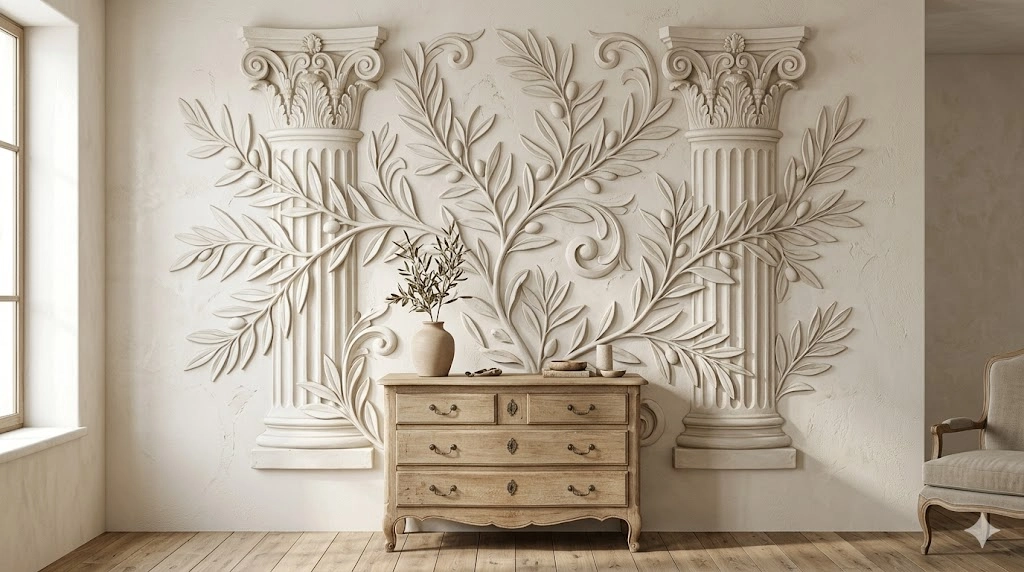
Across Europe in 2026, interior design is undergoing a clear transformation. Flat, lifeless painted walls and repetitive wallpaper patterns are steadily losing popularity. In their place, a more expressive, tactile, and architectural approach is emerging—plaster wall art.
This design direction is no longer considered a decorative add-on. Instead, it is becoming a core architectural language in modern European homes.
Plaster wall art introduces depth, texture, and sculptural presence into interior spaces. It transforms ordinary walls into visually engaging surfaces that respond dynamically to natural and artificial light. Shadows shift throughout the day, creating a living environment that feels organic and emotionally responsive.
From minimalist Scandinavian apartments to luxurious French residences and contemporary German villas, plaster wall art is now strongly associated with:
- Quiet luxury aesthetics
- Natural material expression
- Emotional interior balance
- Architectural sophistication
Unlike paint or wallpaper, plaster is not simply applied to a surface—it becomes part of the structure itself. It integrates with the wall, shaping its identity rather than covering it.
In this complete and in-depth guide, you will explore:
- The meaning and function of plaster wall art
- Why it is dominating European design trends in 2026
- Popular styles and material choices
- Psychological effects of textured interiors
- Room-by-room applications
- Advantages, limitations, and expert recommendations
- Future predictions in interior architecture
Let’s explore the world of plaster wall art in detail.
What is Plaster Wall Art?
Plaster wall art refers to the architectural and artistic technique of shaping, layering, sculpting, or texturing plaster on wall surfaces to create visually expressive effects.
Instead of smooth and flat finishes, plaster introduces dimensional surfaces that can be subtle or highly sculptural depending on design intent.
These walls may include:
- Soft flowing curves
- Geometric relief patterns
- Organic sculpted forms
- Deep textured layering
- Matte, natural finishes
In essence, plaster wall art merges architecture and artistic craftsmanship into a unified surface treatment.
Core Characteristics
Plaster-based interior walls typically include:
- Handcrafted or artisan-applied finishes
- Seamless integration with architectural surfaces
- Customizable textures and depth variations
- Natural, non-glossy aesthetic outcomes
- Strong interaction with lighting and shadow
Plaster Wall Art vs Paint vs Wallpaper
| Feature | Paint | Wallpaper | Plaster Wall Art |
| Depth | None | Low | Very high (3D surface) |
| Luxury feel | Basic | Moderate | Architectural luxury |
| Durability | Medium | Low–medium | Very high |
| Customization | Limited | Medium | Fully bespoke |
| Light interaction | Minimal | Weak | Strong shadow dynamics |
Conclusion: plaster wall art is not decoration—it is architectural design embedded into walls.
Why Plaster Wall Art is Dominating Europe 2026
Europe has always been a global leader in architectural and interior innovation. In recent years, there has been a significant shift in design values.
Modern European homeowners are moving away from:
- Overly bright color palettes
- Synthetic materials
- Excessive decorative layering
Instead, they prefer:
- Calm and balanced environments
- Natural textures and finishes
- Emotionally grounding spaces
Plaster wall art fits perfectly into this new mindset.
Regional European Design Interpretations
Scandinavian Design
- Soft white plaster finishes
- Minimal surface detailing
- Emphasis on natural daylight
- Clean and calm spatial composition
Result: peaceful and functional simplicity
German Contemporary Design
- Structured geometric plaster panels
- Precision-driven architectural layouts
- Strong focus on functionality
Result: disciplined modern luxury
French Interior Elegance
- Curved sculptural plaster walls
- Subtle artistic detailing
- Soft matte finishes
Result: romantic modern sophistication
Mediterranean Influence
- Lime-based earthy plaster
- Warm beige and sand tones
- Rustic yet refined appearance
Result: natural, timeless warmth
Across all these styles, plaster serves as a unifying material language that represents understated luxury.
Psychological Impact
One of the strongest reasons plaster wall art is gaining popularity is its deep psychological influence on human perception of space.
Light and Shadow Interaction
Plaster walls are highly responsive to lighting conditions. As daylight shifts:
- Morning light creates soft gradients
- Afternoon light enhances texture visibility
- Evening lighting produces dramatic depth
This creates a constantly evolving visual experience.
Emotional Interior Response
Research in environmental psychology suggests textured natural surfaces can:
- Reduce mental stress levels
- Increase comfort perception
- Improve emotional stability
- Strengthen spatial attachment
Plaster walls contribute to a more grounded and calming atmosphere.
Influence of Wabi-Sabi Philosophy
European designers increasingly draw inspiration from Japanese Wabi-Sabi principles, which emphasize:
- Natural imperfection
- Organic irregularity
- Material authenticity
Plaster wall art aligns perfectly with this philosophy, as no two surfaces are identical.
Popular Plaster Wall Art Styles in 2026
Minimal White Plaster Walls
- Smooth matte surfaces
- Soft tonal variations
- Minimal visual distraction
Ideal for Scandinavian interiors
Geometric 3D Wall Panels
- Structured angular designs
- Strong architectural identity
- Deep shadow play
Ideal for modern luxury apartments
Organic Flow Textures
- Wave-like sculptural patterns
- Inspired by nature (water, wind, sand)
- Soft visual rhythm
Ideal for emotional living spaces
Venetian Plaster Finish
- Polished marble-like surface
- Subtle reflective sheen
- Elegant Italian influence
Ideal for premium villas
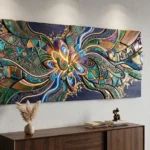
Abstract Sculptural Walls
- Artistic, one-of-a-kind compositions
- Gallery-like wall presentation
- Highly expressive designs
Ideal for luxury creative interiors
Materials Used
Different plaster materials produce different architectural results.
Key Material Types
1. Gypsum Plaster
- Smooth and easy to shape
- Widely used in modern interiors
- Ideal for minimalist designs
2. Lime Plaster
- Natural breathable material
- Eco-friendly composition
- Soft earthy aesthetic
3. Venetian Plaster
- Highly polished finish
- Marble-like visual quality
- Associated with luxury interiors
4. Microcement
- Industrial seamless surface
- Concrete-inspired appearance
- Popular in urban lofts
Material Overview
| Material | Style | Best Use | Finish |
| Gypsum | Modern | Apartments | Matte |
| Lime | Natural | Eco homes | Textured |
| Venetian | Luxury | Villas | Polished |
| Microcement | Industrial | Lofts | Seamless |
Room-by-Room Applications
Living Room
The living room acts as the central visual focus of a home.
Best applications:
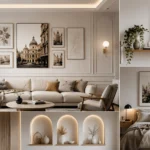
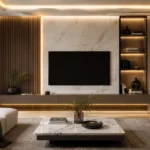
- Feature TV wall with plaster texture
- Backlit sculptural wall
- Geometric accent wall
Effect: strong luxury identity and visual dominance
Bedroom
Bedrooms require calmness and relaxation.
Best applications:
- Soft curved headboard wall
- Neutral beige plaster tones
- Warm ambient lighting integration
Effect: hotel-like peaceful environment
Hallways & Entryways
First impressions are essential.
Best applications:
- Vertical plaster textures
- Subtle lighting shadows
- Minimalist sculptural design
Effect: elegant architectural welcome
Dining Area
Best applications:
- Venetian plaster accent wall
- Warm earthy tones
- Soft decorative lighting
Effect: intimate and refined atmosphere
Modern Design Integration Strategies
To achieve high-end European results:
- Use hidden LED lighting for depth
- Maintain minimal furniture layouts
- Stick to neutral color palettes
- Combine plaster with wood or stone
- Avoid visual clutter near textured walls
Why is a Major 2026 Trend
Digital Fatigue Recovery
People are spending more time on screens, increasing demand for natural interior environments.
Emotional Architecture
Homes are no longer just functional spaces—they are emotional environments for relaxation and healing.
Natural Material Movement
Europe is shifting toward sustainable, breathable, and natural building materials.
Redefinition of Luxury
Modern luxury is defined by:
- Texture
- Silence
- Simplicity
- Material honesty
Pros and Cons
Advantages
- High-end architectural appearance
- Extremely durable material
- Fully customizable design potential
- Enhances lighting effects
- Works across multiple interior styles
Disadvantages
- Requires skilled craftsmanship
- Higher installation cost
- Difficult to modify later
- Longer construction time
Common Mistakes in Plaster Wall Design
- Over-texturing small rooms
- Poor lighting planning
- Mixing conflicting design styles
- Using low-quality plaster materials
- Ignoring spatial proportions
FAQs
Yes, it is widely used in modern European interior design due to its minimalist yet luxurious appearance.
High-quality plaster finishes can last for several decades with proper maintenance.
Yes, but lighter textures and softer designs are recommended for compact spaces.
It is more expensive than paint or wallpaper, but it delivers long-term architectural value.
Conclusion
Plaster wall art is not a temporary trend—it represents a long-term shift in European interior design philosophy.
It combines:
- Artistic expression
- Architectural structure
- Emotional comfort
- Natural material aesthetics
As 2026 continues, will remain a defining element of modern European homes, shaping interiors that feel both luxurious and deeply human.