Introduction
The European interior design landscape is undergoing a deep transformation driven by technology, emotional psychology, and minimalist aesthetics. Modern homes are no longer defined only by furniture arrangements, wall paint selections, or decorative art pieces. Instead, a new design intelligence is emerging—centered around atmospheric illumination and sensory spatial experience.
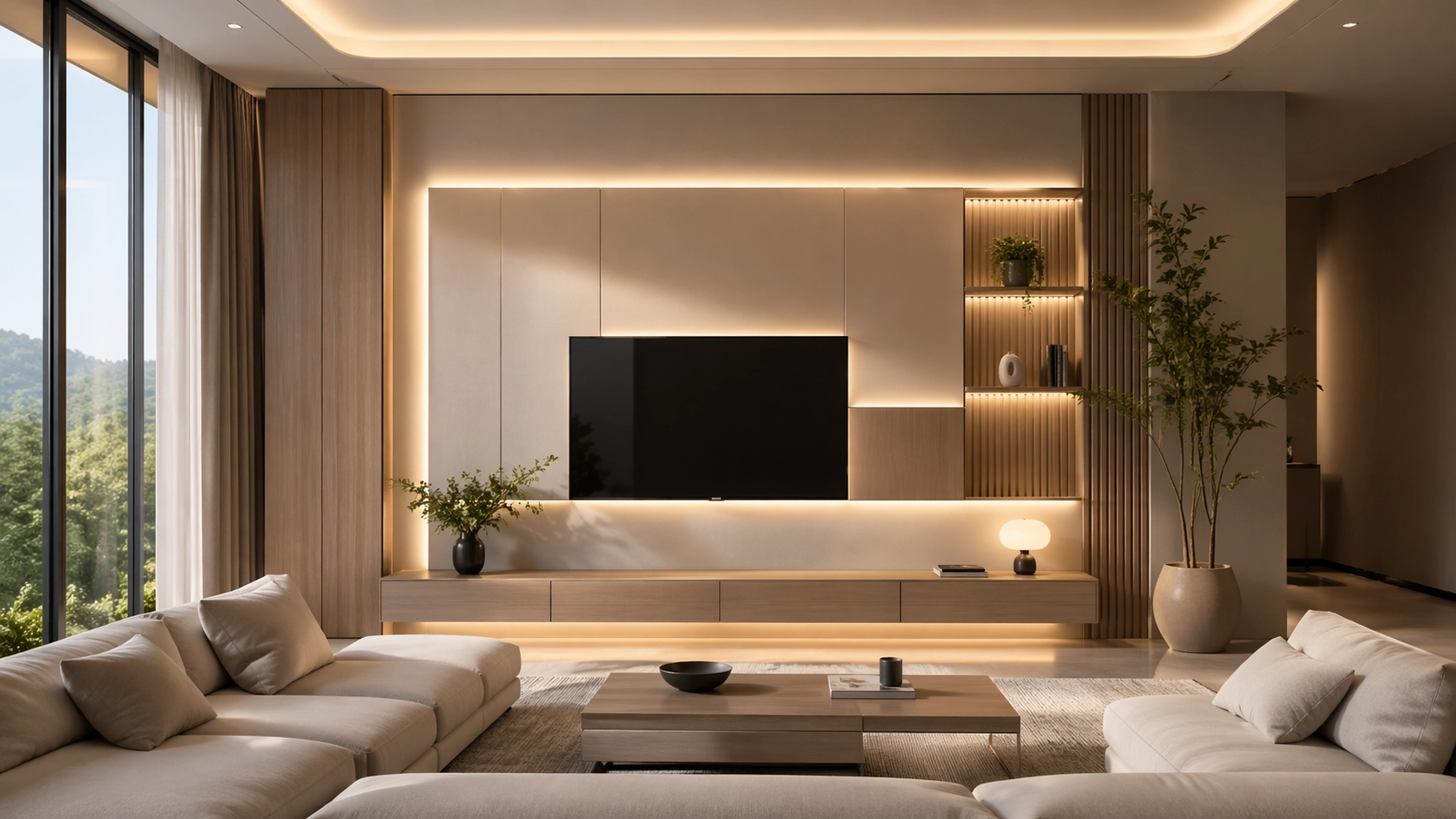
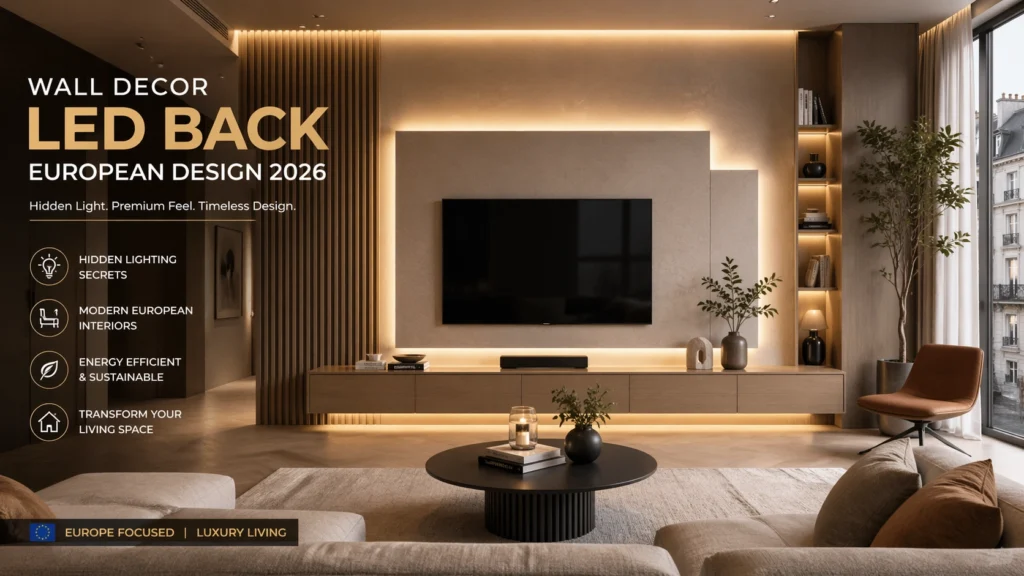
One of the most influential innovations in this evolution is wall decor LED back lighting, a design methodology where light is not directly visible but instead subtly integrated behind surfaces to produce a diffused glow effect.
Across Germany, Sweden, Denmark, the Netherlands, and France, interior designers are shifting toward what can be described as “emotional spatial engineering.” This approach prioritizes how a space feels, rather than only how it looks.
In this context, wall decor LED back systems are becoming a core architectural feature.
Rather than exposing light sources, LEDs are concealed behind walls, panels, furniture units, or decorative installations. This produces a soft radiance that creates a floating illusion—where surfaces appear detached from physical structure and gently suspended in ambient light.
In simplified conceptual terms:
- It is not lighting that dominates visibility
- It is lighting that influences perception
- It is illumination that shapes emotional response
This guide provides a complete NLP-optimized breakdown of wall decor LED back systems, including:
- Conceptual definitions
- Cognitive and emotional design psychology
- European regional design influences
- Practical applications per room
- Installation engineering principles
- Common design failures
- Cost structure analysis
- Future technological evolution
- Professional interior design strategies
By the end of this comprehensive guide, you will understand how to implement LED backlit wall systems with the precision and sensibility of a modern European interior designer.
What is Wall Decor LED Back?
Wall decor LED back refers to a contemporary interior design system in which LED light sources are installed behind architectural or decorative surfaces to create indirect, ambient illumination.
Unlike traditional lighting systems that emit direct and visible brightness, LED backlighting operates through reflection, diffusion, and spatial rebound of light waves.
Core Concept Explanation (NLP Perspective)
- LED sources are strategically concealed behind structural elements
- Light diffuses across wall surfaces through controlled reflection
- Visual perception creates a floating or levitating wall illusion
- Shadows are softened, reducing visual stress and harsh contrast
- The environment becomes emotionally balanced and visually coherent
Fundamental Characteristics of LED Back Wall Systems
- Hidden light architecture (non-visible emission source)
- Indirect illumination diffusion model
- Soft luminance gradient distribution
- Adjustable brightness modulation systems
- Integration with modern smart home ecosystems
Comparative Analysis: Traditional Lighting vs LED Back Lighting
| Feature | Traditional Lighting | Wall Decor LED Back |
| Light visibility | Direct exposure | Fully concealed source |
| Functional role | Task-oriented | Emotional + spatial design |
| Atmosphere impact | Basic illumination | Luxury ambient experience |
| Architectural value | Secondary | Primary design element |
| European adoption | Moderate | Rapidly increasing |
Cognitive Interpretation
Traditional lighting communicates:
“Observe the illumination source.”
LED backlighting communicates:
“Experience the spatial atmosphere.”
This fundamental shift reflects a deeper transformation in European interior psychology.
Design Psychology Behind Wall Decor LED Back
Lighting is not merely a physical phenomenon—it is a cognitive stimulus that directly influences emotional processing, mood regulation, and spatial perception.
European designers extensively use LED back lighting systems to optimize psychological comfort and environmental harmony.
Emotional Stabilization and Cognitive Calmness
Soft diffused illumination reduces neural overstimulation. It minimizes harsh contrast zones, thereby promoting relaxation and mental decompression.
This is especially prominent in Scandinavian design philosophies, where warm ambient lighting is considered essential for emotional well-being.
Perceptual Expansion of Spatial Depth
LED backlighting manipulates visual depth cues. Flat surfaces gain dimensional layering, creating an illusion of expanded architectural volume.
Key effects include:
- Perceived floating wall structures
- Enhanced spatial layering
- Psychological enlargement of compact rooms
Luxury Perception Engineering
In cognitive branding psychology, hidden lighting is strongly associated with premium environments such as luxury hotels, high-end retail spaces, and modern architectural residences.
Thus, even minimalistic interiors gain elevated perceived value through LED integration.
Visual Attention Direction Control
LED backlighting acts as a subconscious attention guide, directing visual focus toward:
- Entertainment walls (TV installations)
- Artistic displays
- Bed headboard focal points
- Architectural feature zones
European Influence on Wall Decor LED Back Design
Europe plays a central role in global minimalist and emotional design evolution. Each region contributes distinct design intelligence models.
Scandinavian Design Philosophy
- Warm color temperature (2700K–3000K)
- Natural material integration (wood, linen, stone)
- Soft luminance distribution
- Minimal furniture density
- Emotional comfort optimization
Objective: Create psychological coziness and life balance
German Precision Design Model
- Structured lighting geometry
- Engineering-based installation planning
- High accuracy brightness calibration
- Functional aesthetic equilibrium
Objective: Combine performance with visual perfection
Dutch Space Efficiency Design
- Compact spatial optimization
- Multi-functional wall systems
- Intelligent hidden lighting frameworks
- Modular design adaptability
Objective: Maximum utility within minimal space
French Luxury Aesthetic Design
- Artistic lighting composition layers
- Warm golden tonal gradients
- Emotional romantic ambiance creation
- High aesthetic storytelling value
Objective: Emotional luxury expression through light
Best Room Applications for Wall Decor LED Back
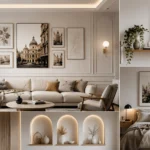
Living Room Implementation
Living rooms represent the central emotional nucleus of residential environments.
Applications:
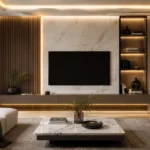
- Behind entertainment TV walls
- Sofa background feature walls
- Architectural geometric panels
Psychological Effects:
- Cinematic environmental experience
- Hospitality-level luxury perception
- Evening relaxation enhancement
Bedroom Integration
Bedrooms require highly controlled sensory environments.
Functional Benefits:
- Replacement of harsh direct lighting
- Circadian rhythm support improvement
- Cozy emotional enclosure creation
Typical Setup:
- Headboard LED backlighting
- Warm diffused ambient glow systems
Dining Room Atmosphere Design
Dining environments benefit significantly from warm luminance modeling.
Effects:
- Enhanced social interaction mood
- Restaurant-like experiential quality
- Emotional warmth amplification
Hallways & Entry Zones
Often underestimated, yet psychologically powerful.
Effects:
- Premium hotel-style entry impression
- Smooth spatial transition perception
- Elevated first-contact visual impact
Popular Wall Decor LED Back Design Styles
Minimalist Hidden Panel Systems
- Soft ambient glow diffusion
- White neutral architectural surfaces
- Invisible lighting source integration
Geometric Lighting Architecture
- Hexagonal light structures
- Linear illumination patterns
- Futuristic spatial aesthetics
Nature-Inspired Lighting Designs
- Organic forest silhouettes
- Mountain contour lighting
- Biophilic emotional connection
RGB Adaptive Smart Lighting Systems
- Dynamic color modulation
- Gaming and entertainment optimization
- Interactive mood control
Installation Engineering Process
Step-by-Step Framework
- Define spatial lighting zones
- Select LED strip classification
- Construct hidden structural frame
- Install LED diffusion placement
- Complete electrical integration
- Conduct brightness calibration
- Implement smart control systems
Professional Installation Guidelines
- Always utilize diffused LED systems
- Ensure complete cable concealment
- Prefer warm white tonal environments
- Avoid excessive luminance saturation
- Integrate dimmable smart controllers
Common Design Failures in LED Back Walls
Critical Mistakes
- Exposure of LED strips (loss of premium effect)
- Over-illumination of compact rooms
- Random multi-color mixing without design logic
- Poor electrical routing planning
- Overuse in visually limited spaces
Design Principle
Minimalism equals perceived luxury in European design systems.
Pros and Cons Analysis
Advantages
- High-end visual transformation
- Energy-efficient operation
- Emotional environment enhancement
- Adaptability across room types
- Full customization potential
Limitations
- Requires pre-planning architecture
- Installation complexity
- Quality dependency on components
- Risk of over-design if misused
Cost Structure in Europe
| Category | Estimated Cost Level |
| Basic LED strip setup | Low investment |
| Smart integrated systems | Medium investment |
| Architectural luxury walls | High-end investment |
European homeowners prioritize long-term quality over short-term savings.
Future Trends of Wall Decor LED Back
AI-Driven Lighting Intelligence
- Automatic mood adaptation
- Context-aware brightness control
- Voice-integrated ecosystems
Motion Responsive Walls
- Reactive light movement systems
- Human presence-based illumination
Invisible Lighting Architecture
- Fully embedded lighting infrastructure
- Zero visible hardware systems
Sustainable Eco Lighting Evolution
- Ultra-low energy consumption
- Environmentally responsible components
Maintenance Optimization Guidelines
- Regular dust removal cycles
- Thermal management monitoring
- Annual wiring inspection
- Early replacement of degraded strips
- Use of high-quality drivers
Real European Design Case Study
A modern 70m² apartment in Berlin integrated:
- Warm LED backlit TV wall system
- Bedroom headboard ambient glow
- Hallway linear lighting integration
Results:
- Perceived spatial expansion (~30%)
- Reduced energy consumption
- Elevated premium interior perception
Why Europe Prefers Wall Decor LED Back Systems
This design movement aligns with three dominant European values:
- Minimalism (clarity and reduction)
- Functional intelligence (purpose-driven design)
- Emotional well-being (psychological comfort)
Conclusion
Wall decor LED back lighting represents a fundamental shift in how modern European interiors are designed and experienced.
It is no longer simply a decorative enhancement—it is an architectural language of emotion, perception, and spatial intelligence.
From Scandinavian calm environments to German precision layouts and French luxury aesthetics, LED backlit systems have become a defining element of contemporary home design.
When implemented correctly, they deliver:
- Emotional balance
- Architectural depth
- Modern luxury identity
In the evolving design landscape of 2026 and beyond, lighting is no longer just illumination.
It is:
- Experience design
- Emotional engineering
- Spatial identity creation