Introduction
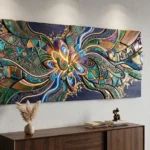
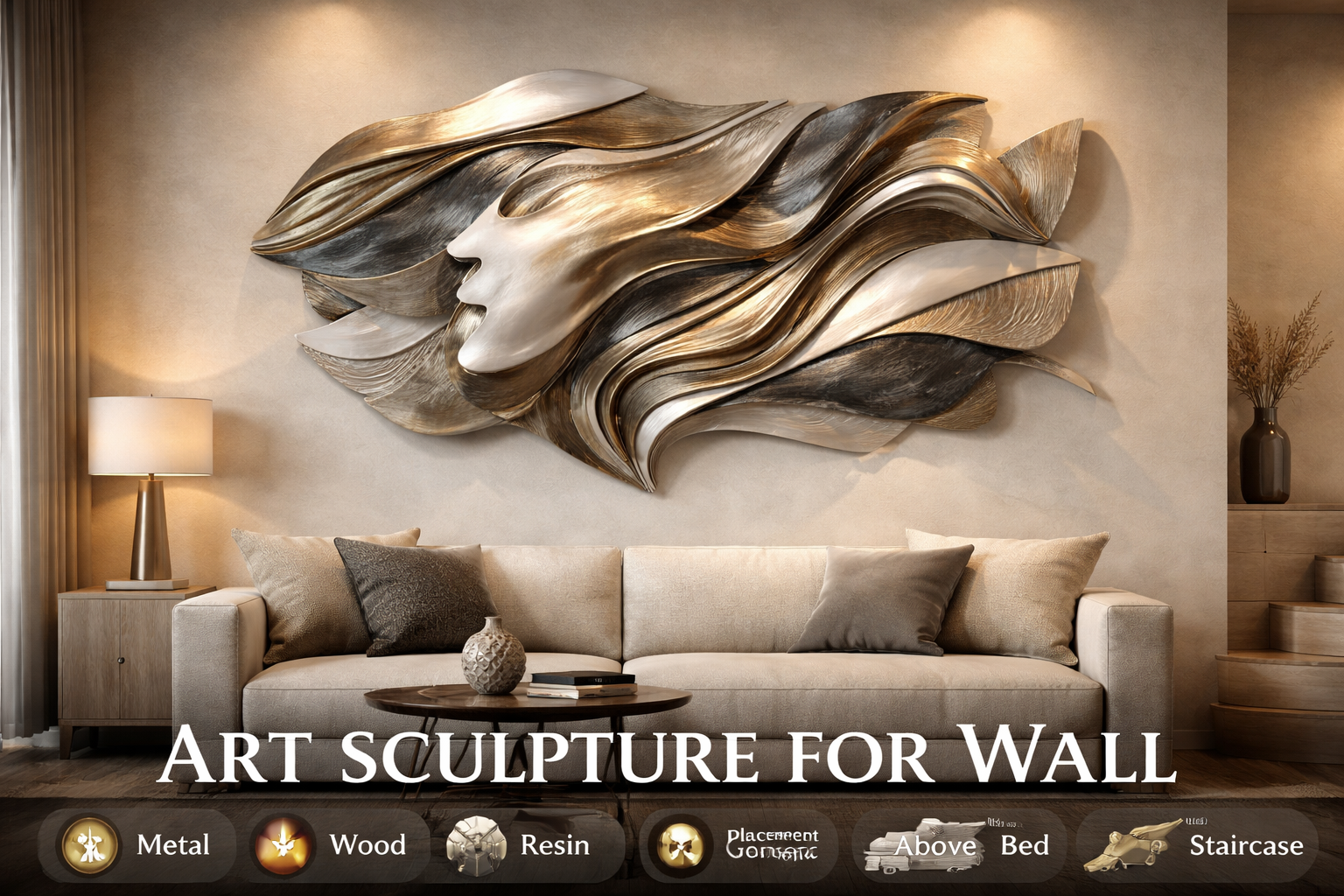
An Art Sculpture For The Wall represents a sophisticated evolution of interior decoration. It is not merely showy styling or surface coloring. Instead, it is a dimensional artistic structure engineered specifically for vertical architectural integration.
Unlike traditional flat artwork, wall sculptures introduce:
- Physical bottom
- Structural feeling
- Light interaction
- Shadow formation
- Spatial layering
- Optical rhythm
These qualities transform plain surfaces into expressive focal points.
In new European-moved interiors, design philosophy emphasizes:
- Minimal optical noise
- Clean composition
- Functional elegance
- Natural material integration
- Architectural harmony
- Balanced spatial flow
Within this design plan, wall sculpture art becomes a vital element rather than simple decoration.
When positioned correctly, it elevates ambiance, enhances image, and boosts spatial identity.
What Is an Art Sculpture for Wall?
An art sculpture for walls is a three-spatial artistic composition designed for mounting on steep surfaces.
It extends outward from the wall plane, producing physical projection and spatial existence.
Core Characteristics:
- Three-dimensional construction
- Shadow-responsive structure
- Textural variation
- Wall-mounted installation
- Light-reactive design
- Architectural integration
Unlike paintings or prints, sculptures interact with indirect lighting. As light changes throughout the day, the sculpture’s display shifts thus.
This dynamic behavior creates:
- Optical movement
- Perceived bottom
- Evolving aesthetics
- Spatial pact
The result is a living design element rather than a static image.
Why Art Sculpture for Wall Is Important in Modern Design
Modern interiors often feature neutral palettes and simplified maps. While minimalism improves clarity, it can also create optical vacuum.
Wall sculpture solves this by introducing:
Depth Enhancement
Flat surfaces gain dimensional complexity.
Focal Point Creation
It anchors the room optically.
Luxury Perception
Three-dimensional art increases premium appeal.
Architectural Balance
It connects furniture scales with wall proportions.
Emotional Expression
Art communicates personality and taste.
European Design Alignment
Clean yet expressive structure matches new aesthetics.
In 2026 design trends, word wall features are more preferred over needless décor elements.
Main Types of Art Sculpture for Wall
Metal Wall Sculptures
Metal remains the most dominant material in modern interiors.
Properties:
- Highly durable
- Structurally strong
- Reflective surface interaction
- New appearance
- Long lifespan
Ideal Environments:
- Living rooms
- Corporate offices
- Luxury flats
- Entry corridors
Metal sculptures complement minimalist and industrial themes.
Wooden Wall Sculptures
Wood introduces passion and organic purity.
Characteristics:
- Natural feeling
- Eco-conscious appeal
- Soft optical jewel
- Sustainable material
Suitable For:
- Scandinavian interiors
- Bedrooms
- Cozy living areas
- Nature-inspired homes
Wood connects interior design with environmental peace.
Resin & Mixed Media Sculptures
Resin allows creative flexibility and intricate detailing.
Features:
- Lightweight structure
- Custom coloring
- Complex forms
- Artistic experimentation
Best suited for new and creative zones.
3D Geometrical Wall Art
One of the strongest trends in 2026.
Qualities:
- Precise lines
- Structured symmetry
- Architectural inspiration
- Minimalist composition
Common in modern offices and urban flats.
Bas-Relief Sculptures
A traditional artistic technique involving slight surface projection.
Characteristics:
- Subtle dimensionality
- Classical influence
- Formal elegance
- Historical Artistry
Often used in hotels and large interior walls.
Material Comparison Table
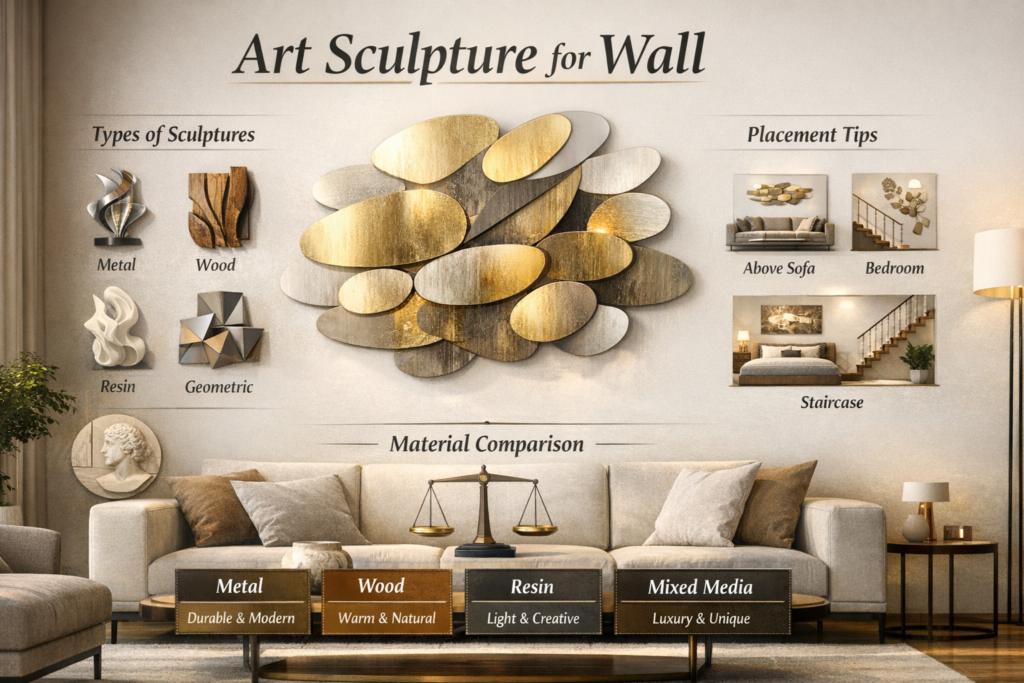
| Material | Durability | Style Impact | Weight | Best Style |
| Metal | Very High | Strong Modern Identity | Medium | New / Industrial |
| Wood | High | Warm Natural Feel | Medium | Scandinavian |
| Resin | Moderate | Creative Expression | Light | Modern Artistic |
| Mixed Media | High | Premium Appearance | Varies | Luxury Interiors |
| Bas-Relief | High | Traditional Elegance | Heavy | Classic European |
This comparison assists in informed decision-making.
How to Choose the Right Art Sculpture for Wall
Selection requires structured evaluation.
Assess Wall Dimensions
Large wall → Oversized sculpture or multi-panel arrangement
Small wall → Minimalist composition
Professional guideline:
Cover approximately 50–75% of focal wall area for optimal balance.
Match Interior Design Style
| Interior Style | Recommended Sculpture Type |
| Minimalist | Simple geometrical metal |
| Scandinavian | Natural wood design |
| Luxury Modern | Statement sculpture |
| Industrial | Black metal structure |
| Classic European | Bas-relief artwork |
Style alignment ensures coherence.
Evaluate Lighting Conditions
Lighting dramatically influences sculpture appearance.
Recommended lighting methods:
- Directional spotlights
- Warm LED illumination
- Side-angle lighting
Proper lighting enhances shadows and dimensionality.
Expert Wall Sculpture Placement Guide
Optimal Locations:
- Above sofa
- Above bed
- Entry hallway
- Staircase wall
- Office background wall
These areas function as optical anchors.
Height Recommendation
The center of the sculpture should typically be:
145–160 cm from floor level
This aligns with average eye height.
Symmetry vs Asymmetry
Symmetrical Layout:
- Balanced
- Formal
- Structured
Asymmetrical Layout:
- Modern
- Creative
- Dynamic
The choice depends on the room ‘s air.
Wall Sculpture vs Wall Painting
| Feature | Sculpture | Painting |
| Dimensional Bottom | Yes | No |
| Shadow Interaction | Strong | Minimal |
| Texture | High | Limited |
| Architectural Impact | Significant | Moderate |
| Modern Appeal | Very High | Medium |
Conclusion:
Wall sculptures offer greater spatial influence.
Pros and Cons
Advantages:
- Enhances bottom
- Establishes focal dominance
- Works in large and small rooms
- Strengthens luxury perception
- Aligns with European trends
- Long-lasting durability
Limitations:
- Requires proper lighting
- Incorrect size may disrupt harmony
- Some materials need maintenance
- Heavy designs require secure installation
Planning prevents design errors.
Best Rooms for Wall Sculptures
- Living Room
- Bedroom
- Office
- Hotel Lobby
- Dining Area
- Hallway
- Reception Area
Living rooms remain the most common placement zone.
Trending Styles in 2026
Minimal Line Art
Simple, refined compositions.
Oversized Statement Sculptures
Large-scale visual impact.
Black Metal Designs
High contrast aesthetics.
Organic Flow Patterns
Inspired by nature.
Custom Architectural Installations
Bespoke wall integration.
Maintenance Guidelines
To preserve structural quality:
- Remove dust regularly
- Shun moisture exposure
- Use soft cleaning materials
- Shun abrasive chemicals
- Inspect mounting systems periodically
Moisture-resistant info is recommended for humid climates.
Design Psychology
Wall sculpture affects spatial perception.
- Vertical orientation → Increases perceived ceiling height
- Horizontal map→ Expands optical width
- Curved design → Softens air
- Geometrical form → Enhances structure
Design decisions influence psychological impact.
Common Mistakes
- Incorrect sizing
- Insufficient lighting
- Overdecorated walls
- Style inconsistency
- Improper installation height
Balance remains the foundation of excellence.
Expert Styling Tips for European Homes
- Use neutral wall colors
- Maintain minimal surrounding décor
- Allow negative zone
- Apply warm lighting
- Shun overcrowding
European design preference simplicity and clarity.
Frequently Asked Questions
It is a three-dimensional artwork designed for vertical wall display.
Metal is most popular due to durability and modern appeal.
Yes. Choose minimalist or compact designs.
Yes. Lighting improves bottom and shadow effects.
Follow the 50–75% wall coverage rule.
Yes. They improve professional and architectural identity.
Conclusion
An art sculpture for wall is a transformative architectural feature that enhances:
- Spatial bottom
- Lighting dynamics
- Textural richness
- Optical balance
- Modern identity
In 2026 interior design, spatial wall art represents sophistication, minimalism, and creative dimensional planning.
When selected thoughtfully, it becomes the most impactful optical element within any climate.