Introduction
A single piece of artwork might just wake up an empty room. Charm slips in through colors, shapes, feelings- each choice whispering something about who lives there. Across European homes, walls tell stories shaped by old traditions, local history, and quiet tastes. Picking what hangs where means seeing how style flows, how ideas connect, how zone breathes around each frame.
If you live in a small flat in Paris, a bright Nordic-style studio, or a tall house in London, this guide gives ideas and clarity for walls that draw attention. Written simply, without complex terms, it works for new decorators, curious readers, or those wanting rooms to feel more balanced. Each idea unfolds naturally, fitting different tastes without pressure.
We will cover everything from types of wall art, room-specific ideas, 2026 European trends, DIY projects, sustainable options, and expert advice on placement, sizing, and styling.
What Is Decorative Wall Art?
On your walls, optical or 3D pieces catch eyes without needing to do chores like holding books or telling time. These items – more than just useful tools – bring mood and character into zones where people live. A zone shifts when color, shape, or feeling steps in quietly, shaping how it feels. Personal flavor sneaks through in choices: bold tones, quiet lines, familiar symbols. Feeling matters more than function here.
In simpler terms, if it beautifies, personalizes, or enlivens your walls, it qualifies as decorative wall art. Examples include:
- Paintings: Oil, watercolor, acrylic, or mixed media canvases
- Photographs: Black-and-white, color prints, or artistic compositions
- Prints & Posters: Affordable reproductions of famous works or modern graphics
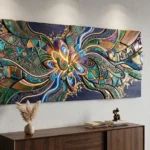
- Sculptures: Wall-mounted or relief sculptures adding bottom and feelings
- Textiles: Tapestries, woven hangings, or fabric art
- Mirrors: Decorative mirrors with artistic frames
- Wall decals or stickers: Flexible, renter-friendly options
Pro Tip: Decorative wall art can be combined creatively with lighting, furniture, and feelings to make a room feel cohesive, luxurious, or cozy.
Types of Decorative Wall Art
There are numerous categories of decorative wall art, each offering unique textures, optical effects, and emotional impact. Here’s an extensive breakdown:
Canvas & Framed Art
- Description: The classic choice for living rooms, bedrooms, and offices.
- Materials: Canvas, paper, wood, metal frames.
- Styles: Abstract, realistic, themed, or impressionist.
- Benefits: Versatile, easily matches traditional or modern interiors.
3D Sculptural Art
- Description: Wall-mounted sculptures or panels that create a three-dimensional effect.
- Benefits: Adds feeling, bottom, and optical intrigue.
- Best Use: Accent walls or entryways.
Textile & Woven Hangings
- Description: Soft, handwoven pieces such as macramé, tapestries, or fabric panels.
- Benefits: Introduces passion, tactile appeal, and softness.
- Best Use: Minimalist, Scandinavian, or bohemian interiors.
Wall Decals & Stickers
- Description: Easy-to-apply graphics that are removable.
- Benefits: Ideal for renters or temporary décor changes.
- Best Use: Children’s rooms, offices, or small zones.
Mirrors & Mixed Media
- Mirrors: Enhance natural light and create a perception of spaciousness.
- Mixed Media: Combines wood, metal, fabric, or glass for eclectic, luxurious, or industrial designs.
Pro Tip: Combine various materials, finishes, and dimensions to create dynamic, covered walls that tell a story.
Why Decorative Wall Art Matters in European Homes
Europeans see wall art as deeper than looks – heritage hums through each piece. Taste shows itself slowly, woven into choices that speak of refinement. A room’s surface might whisper old stories, tied gently to ways of making beauty across generations.
Defines Style
A city’s heartbeat might echo in gilded French frames. Yet quiet Nordic walls speak through clean shapes and empty space. One artwork, placed just right, tells what colors alone cannot say.
Emotional Impact
A single piece, placed just right, can shift how a space feels. When spacing matches the shape of what sits below it, things seem to settle into place. A blank wall finds purpose through careful choices in size and frame. Lines align without effort, drawing the eye where it should go. Balance happens quietly, like nothing was ever missing.
Enhances Optical Harmony
A single painting can shift how you feel. A quiet scene might calm, while bold colors stir something restless inside. Pictures on walls do more than decorate – they pull up old moments, shape the air of a room. Each image holds weight, even when silent.
How to Choose the Right Wall Art
Choosing wall art requires understanding style compatibility, color peace, and size proportion. The right pieces transform interiors without overwhelming them.
Match Your Home Style
Your wall décor should align with the overarching aesthetic.
| Home Style | Ideal Wall Art Choices |
| Modern | Minimalist, abstract, geometrical prints |
| Simple | Natural wood, earthy textiles, vintage-inspired art |
| Scandinavian | Neutral palettes, soft feelings, light-toned abstract pieces |
| Bohemian | Eclectic, handmade, vibrant, colorful |
| Classic European | Framed paintings, vintage prints, traditional compositions |
Consider Color Schemes
Art should harmonize or contrast with wall hues.
- Cool walls (blue, gray): Warm-toned art creates optical interest.
- Warm walls (beige, terracotta): Neutral or soft-toned pieces prevent clashes.
Set a Budget
Artistic choices vary in cost:
- Affordable prints: Trendy, easily rotated.
- Handmade pieces: Unique, artisanal, one-of-a-kind.
- Investment art: High-value, timeless pieces that appreciate over time.
Pro Tip: Mix budget-friendly prints with a few word pieces to achieve a curated, gallery-like feel.
Placement and Size Tips
Correct placement maximizes impact and ensures aesthetic peace.
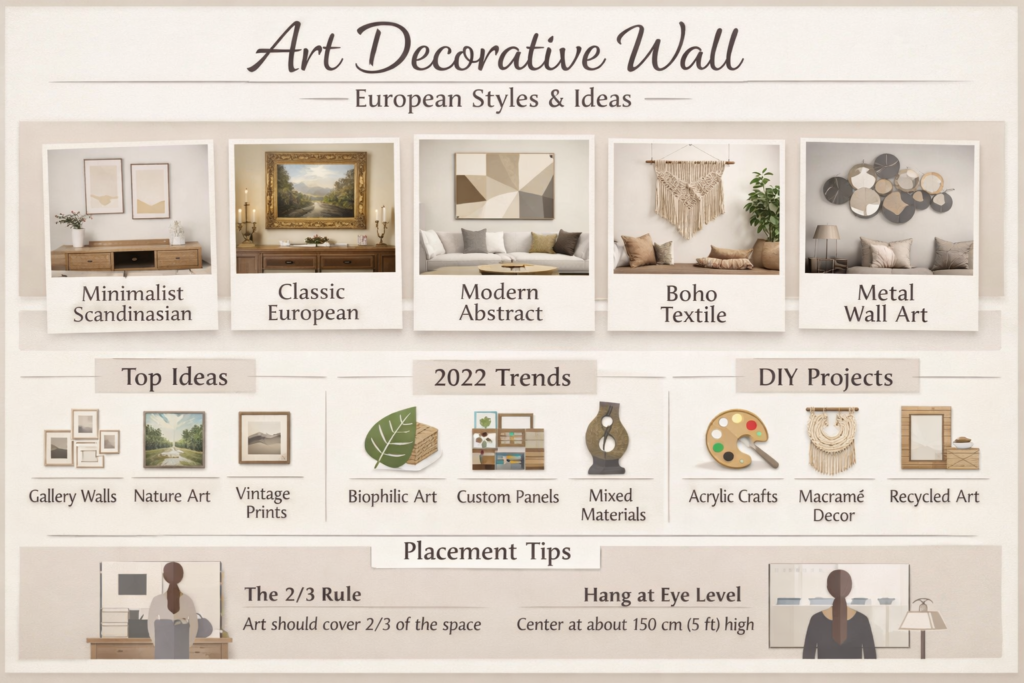
The 2/3 Rule
Wall art should occupy approximately 60–75% of the wall area above furniture like sofas, beds, or sideboards.
Eye-Level Rule
Center your artwork at eye level (roughly 150 cm or 5 ft from the floor) for natural viewing.
Recommended Sizes
| Wall Type | Recommended Art Size | Placement Idea |
| Small Walls | Single medium piece | Centered, minimal style |
| Medium Walls | Gallery clusters | Grid or eclectic layout |
| Large Walls | Oversize statement art | Anchor furniture, create focal point |
Pro Tip: Shun overcrowding or placing pieces too high or low, as it disrupts the room’s balance.
Top Decorative Wall Art Ideas by Room
Living Room
- Large canvas over the sofa
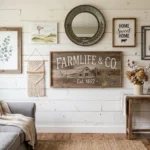
- Mixed-size gallery wall
- European art like French impressionist or Italian modern prints
Bedroom
- Tranquil nature-inspired art for restful ambiance
- Personalized photo gallery
- Minimalist geometrical patterns for simplicity
Kitchen & Dining
- Food-themed or culinary prints
- Chalkboard wall art for notes and menus
- Simple wooden panels or balanced accents
Hallways & Entry
- Vertical art to elongate zones
- Mirrors to enlarge narrow corridors
- Statement cultural pieces (e.g., European cityscapes)
2026 Wall Art Trends for Europe
European interior trends evolve, but timeless appeal remains key. These trends are forecasted for 2026:
- Minimalist & Abstract Art: Neutral palettes, sharp lines, and uncluttered designs
- Personalized Panels: Custom family or travel photo collages
- Metal & Mixed Materials: Industrial-chic combinations with luxurious finishes
- Biophilic Art: Nature-inspired designs for wellness-focused interiors
- Macramé & Woven Pieces: Nordic and Scandinavian-inspired handmade feelings
Pro Tip: Blend trendy art with classic pieces for a balanced, enduring aesthetic.
DIY Decorative Wall Art Projects
Creating your own wall décor adds a personal, artistic touch to your zone. Here are accessible projects:
Acrylic Pour Canvas
- Technique: Pouring acrylic paints for vibrant, abstract effects
- Materials: Canvas, acrylic paints
- Time: 2–3 hours
- Skill Level: Medium
Custom Typography Prints
- Technique: Stylish quotes or word art on paper or canvas
- Materials: Paper, markers, frame
- Time: 1 hour
- Skill Level: Easy
Textile Wall Hangings
- Technique: Woven, macramé, or fabric-based decor
- Materials: Rope, fabric, wooden rod
- Time: 3–4 hours
- Skill Level: Medium
Recycled Material Art
- Technique: Upcycling old wood, metal, or glass into art
- Materials: Recycled materials, glue, frame
- Time: 2–3 hours
- Skill Level: Medium
Photo Collage Walls
- Technique: Curating family, travel, or themed photographs
- Materials: Frames, glue, prints
- Time: 1–2 hours
- Skill Level: Easy
DIY Project Table
| Project | Materials | Skill | Time |
| Acrylic Pour Canvas | Canvas, acrylic paints | Medium | 2–3 hrs |
| Typography Print | Paper, markers, frame | Easy | 1 hr |
| Macramé Hanging | Rope, wooden rod | Medium | 3–4 hrs |
| Recycled Art | Old wood/metal | Medium | 2–3 hrs |
| Photo Collage | Prints, frames, glue | Easy | 1–2 hrs |
Sustainable & Eco-Friendly Wall Art
Eco-conscious wall art is trendy, responsible, and aesthetically pleasing.
Types
- Reclaimed Wood Art: Rustic charm with historical character
- Upcycled Metal Sculptures: Industrial yet artistic
- Organic Textiles: Cotton, hemp, or wool hangings
Why It Matters
Sustainable art uses fewer chemicals, supports local artisans, and aligns with Europe’s green living trends.
Common Mistakes to Avoid
Even the most inspired art can fail if placement, sizing, or cohesion is ignored. Common pitfalls:
- Hanging art at arbitrary heights
- Selecting art too large or small for zone
- Ignoring the room’s style and color palette
- Overcrowding walls with too many pieces
- Using low-quality or poorly framed materials
Pro Tip: Step back after placement and assess balance before final installation.
Best Places to Explore Decorative Wall Art in Europe
Art Galleries & Museums
Paris, Berlin, and London galleries offer original and curated collections.
Artisan Markets
Discover handmade prints, sculptures, and textile pieces at local markets.
Online Marketplaces
Trusted European platforms provide curated, designer wall art with convenient shipping.
Local Studios
Commission custom artworks directly from artists to achieve a unique style.
Frequently Asked Questions
Absolutely. It enhances visual appeal, reflects personality, and can increase home value.
Dust regularly, avoid prolonged sunlight, and ensure appropriate framing or wall mounts.
Yes. Combining Scandinavian minimalism, Italian modernism, and French vintage creates eclectic yet harmonious interiors.
Conclusion
A splash of color on a wall might seem small – yet it speaks volumes about who lives there. Across European homes, painted surfaces tell stories without words. History leans into today through patterns passed down, then remade. Personal taste shows up in brushstrokes, tiles, even carved wood. What hangs where says something quiet but clear. Zones breathe easier when they reflect the people inside them.
Walls start telling stories when choices come from clarity – knowing forms, looks, spots, what’s ahead in 2026, handmade touches, and earth-friendly picks. A space shifts not by chance but through pieces that hum with meaning, spark quiet joy, and last beyond fashion. What hangs matters more than you think.