Introduction
A clever mix of use and look comes through when hanging a clock as part of wall decor. Not just telling hours and minutes, it also draws eyes, shaping how a zone feels. Found in bold spots across European interiors, these pieces balance daily need with artistic touch. Art lives here, where hands move and walls speak.
Step inside this full walkthrough to find smart ways of choosing, placing, decorating, because sometimes building your own timepiece works best. If the goal is filling a wide-open lounge, brightening up a small sleeping space, or slipping character into a narrow passage, here’s how it unfolds across rooms using subtle tricks pulled straight from European homes. Each idea moves piece by piece through practical tips while keeping things smooth to follow so eyes land right where they should on blank surfaces waiting quietly until now.
Why Opt for a Clock as Wall Decoration?
A wall clock serves two vital functions:
- Practical Function – Timekeeping
- Decorative Function – Artistic Enhancement
A single glance at European thinking reveals how regular objects gain bold character. Picking a wall clock ought never come last – instead, function dances alongside look. The right timepiece makes space feel complete:
- Infuse personality and character into a room
- Serve as a focal point within a wall layout
- Harmonize and balance empty or awkward zones
- Reflect and complement your chosen interior style
Tip: Consider a clock as “functional artwork.” Its placement and design can significantly elevate a zone if chosen thoughtfully.
Choosing the Perfect Wall Clock: Key Considerations
When selecting a wall clock, the following aspects are paramount:
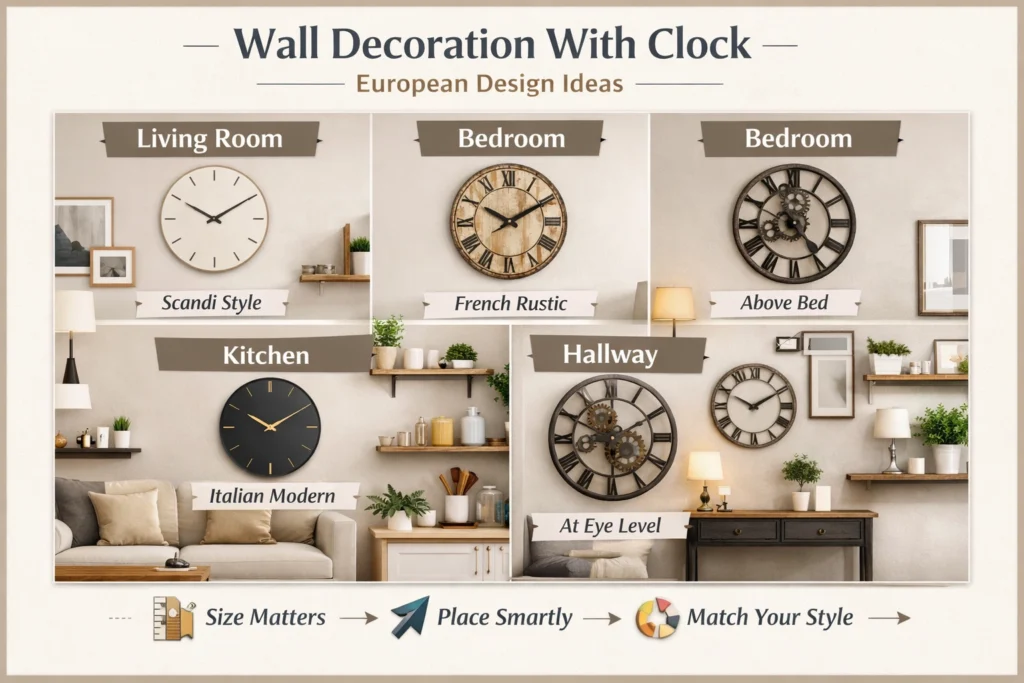
Size & Proportion
A clock’s look depends mostly on how big it is. To catch the eye, size matters – too small fades into walls, too large shouts over everything else. Balance keeps it part of the zone instead of breaking the calm.
Recommended Clock Sizes for Different Rooms:
| Room | Optimal Clock Diameter | Placement Suggestions |
| Living Room | 30–80 cm | Above sofa or central feature wall |
| Bedroom | 25–50 cm | Above nightstands or dressers |
| Kitchen & Dining Area | 20–40 cm | Near prep areas or dining walls |
| Hallway & Entryway | 15–35 cm | Eye level for easy readability |
Pro Tip: To maintain optical balance, your clock should cover roughly one-third to half of the wall width.
Style & Color
A tick-tock companion fits best when it mirrors how a space feels. Think Nordic quietness, rural Normandy charm, or Milanese sleek lines – each vibe owns its own rhythm. Style shifts across borders, yet keeps time gently.
Styling Suggestions:
- Minimalist: Thin hands, clean dials; perfect for Nordic or modern interiors
- Industrial: Open gears, metallic frames; suited to lofts and urban flats
- Rustic/Vintage: Weathered wood, Roman numerals; ideal for classic, cozy interiors
- Contemporary: Bold patterns and vibrant hues; fits modern European zones
Color Guidance:
- Neutral colors for calm, understated rooms
- Bold or metallic clocks to punctuate a plain wall
- Match metallic finishes to existing hardware (gold, brass, chrome)
Material & Build Quality
When it comes to looks, European households tend to pick decor that lasts. A clock’s material shapes how it appears – and how long it holds up:
- Wood: Adds passion and traditional elegance
- Metal: Offers a sleek, industrial or modern vibe
- Glass or Crystal: Brings sophistication and refinement
- Eco-Friendly Materials: Perfect for sustainable and creative interiors
Avoid low-quality plastics, which tend to look cheap and have short lifespans.
Room-Specific Placement Ideas
Optimal clock placement depends on room function, lighting, and existing decor.
Living Room
As a central social zone, the living room can accommodate statement clocks:
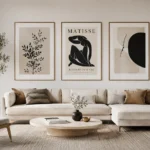
- Large clocks above sofas act as anchors for seating arrangements
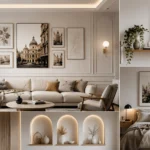
- Gallery walls integrating clocks with art prints create optical interest
- Symmetrical placement with artworks or shelving enhances balance
Pro Tip: If your wall already contains decor, incorporate the clock into a harmonious ensemble.
Bedroom
Bedrooms prioritize relaxation and serenity:
- Silent clocks near beds reduce disturbances
- Soft-colored clocks contribute to a calm air
- Combine clocks with small shelves, framed photos, or indoor plants
⏱ Tip: Avoid overly flashy or oversize clocks that disrupt a restful environment.
Kitchen & Dining Area
Functionality is key in food preparation zones:
- Place clocks in easily visible spots from prep areas
- Pair with wall art, chalkboards, or kitchen shelves
- Sleek metallic or minimalist clocks add style and legibility
Hallway & Entryway
Hallways often serve as blank canvases:
- Small or medium clocks at eye level enhance practicality and aesthetics
- Combine with mirrors or consoles to add bottom and brightness
- Rustic or minimalist clocks can introduce charm to transitional zones
15 Inspiring Wall Decoration With Clock Concepts
Here are some creative ideas to transform your walls:
- Minimalist Elegance Wall Decoration With Clock
- Black, white, or pastel clocks
- Slim hands, unadorned dials
- Pairs well with clean-lined furniture
- Style: Scandinavian, modern
- Industrial & Urban
- Metal frameworks, exposed gears
- Oversize faces with bold numerals
- Ideal for brick or concrete walls
- Style: Loft, industrial
- Vintage & Rustic Charm
- Antique wood finishes
- Roman numerals and classic hands
- Cozy, nostalgic ambiance
- Style: French farmhouse, traditional European
- DIY Wall Clock Decor
- Create murals as clock backdrops
- Use wooden planks, frames, or balanced panels
- Great creative activity for kids and hobbyists
- Scandinavian Calm
- Light wood, soft color palettes
- Simple, unembellished faces
- Style: Nordic, minimalist
- Gallery Wall Integration
- Combine art, photography, and clocks
- Maintain color and size peace
- Rule: shun optical chaos
- Shelves & Timepieces Wall Decoration With Clock
- Floating shelves with plants, books, or sculptures
- Clocks create layered bottom
- Mirror & Clock Pairing
- Mirrors reflect light, optically enlarging zone
- Clock becomes a dual-functional feature
- Geometric & Abstract Clocks
- Hexagonal, triangular, or asymmetrical shapes
- Adds modern, artistic flair
- Oversized Feature Clock
- Dominates an empty wall
- Acts as both art and focal point
- Multi-Room Coordination
- Uniform themes or styles across rooms
- Creates cohesive interior design
- Artistic & Sculptural Clocks
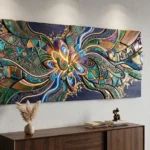
- Clocks embedded in murals or 3D art
- Make your wall an interactive centerpiece
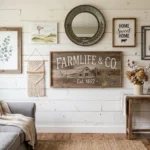
- Rustic Farmhouse Style Wall Decoration With Clock
- Weathered wood, classic fonts
- Works beautifully in kitchens or dining rooms
- Metallic & Gold Accents
- Gold or brass clocks enhance glamour
- Complements minimalist or classic interiors
- Reclaimed Materials & DIY
- Eco-conscious design using upcycled wood or metal
- Encourages creativity and sustainable living
Styling a Wall Clock with Other Decor
Gallery Wall + Clock
- Mix frames, clocks, and prints
- Stick to a cohesive color palette
- Use symmetry or optical triangles for balance
Shelves + Clock
- Combine with plants, books, or small sculptures
- Create bottom through layering and heights
- Odd numbers (3, 5, 7) tend to feel more natural
Mirrors + Clock
- Reflects natural light
- Enhances room brightness
- Provides double functional and aesthetic impact
Decor Pairing Guidelines:
Stick to 3 main colors per wall
Mix textures: wood, metal, glass
Shun overcrowding
Common Mistakes to Avoid
Hanging clocks too high or too low
Choosing a size that’s too small
Ignoring the room’s style or color scheme
Overdecorating with too many elements
Buying low-quality, flimsy clocks
Frequently Asked Questions
A: Aim for a clock that spans about one-third to half of the wall width. Living rooms benefit from larger clocks for dramatic effect.
A: Absolutely. Oversize or artistic clocks can be the focal centerpiece in any room.
A: Yes, as long as size, style, and room theme align.
A: Use a level, position at eye height, and employ strong anchors for heavy clocks.
A: Yes, using varied sizes in a gallery map adds creativity and style.
2026 European Design Trends for Wall Clocks
- Scandinavian Minimalism: Light wood, neutral jewels, simple faces
- French Rustic Charm: Antique wood, muted hues, classic fonts
- Italian Contemporary: Geometrical shapes, bold colors, statement clocks
- Industrial Loft Style: Metal feeling, exposed elements, oversized clocks
- DIY & Sustainable: Reclaimed materials, upcycled creations, custom murals
Pros & Cons
Pros:
Combines aesthetic and functional purposes
Suitable for various room types
Wide selection of materials, shapes, and styles
Enhances European-inspired interior design
Cons:
Cheap clocks can diminish elegance
Wrong size disrupts wall balance
Excessive wall elements may create clutter
Conclusion
A clock on the wall does not just show hours and minutes – it shapes how a room feels. Because of its presence, space gains rhythm, even when silent. One might choose a large face for impact, another may prefer small details that whisper rather than shout. Materials matter too: wood warms a surface, metal sharpens it. Placed right, above a door or beside shelves, it pulls things together without effort. Some like clean lines from Nordic winters, others favor curves shaped by old-world streets. Expression hides in numbers, in silence between ticks.