Introduction
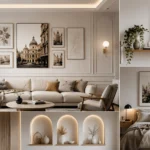
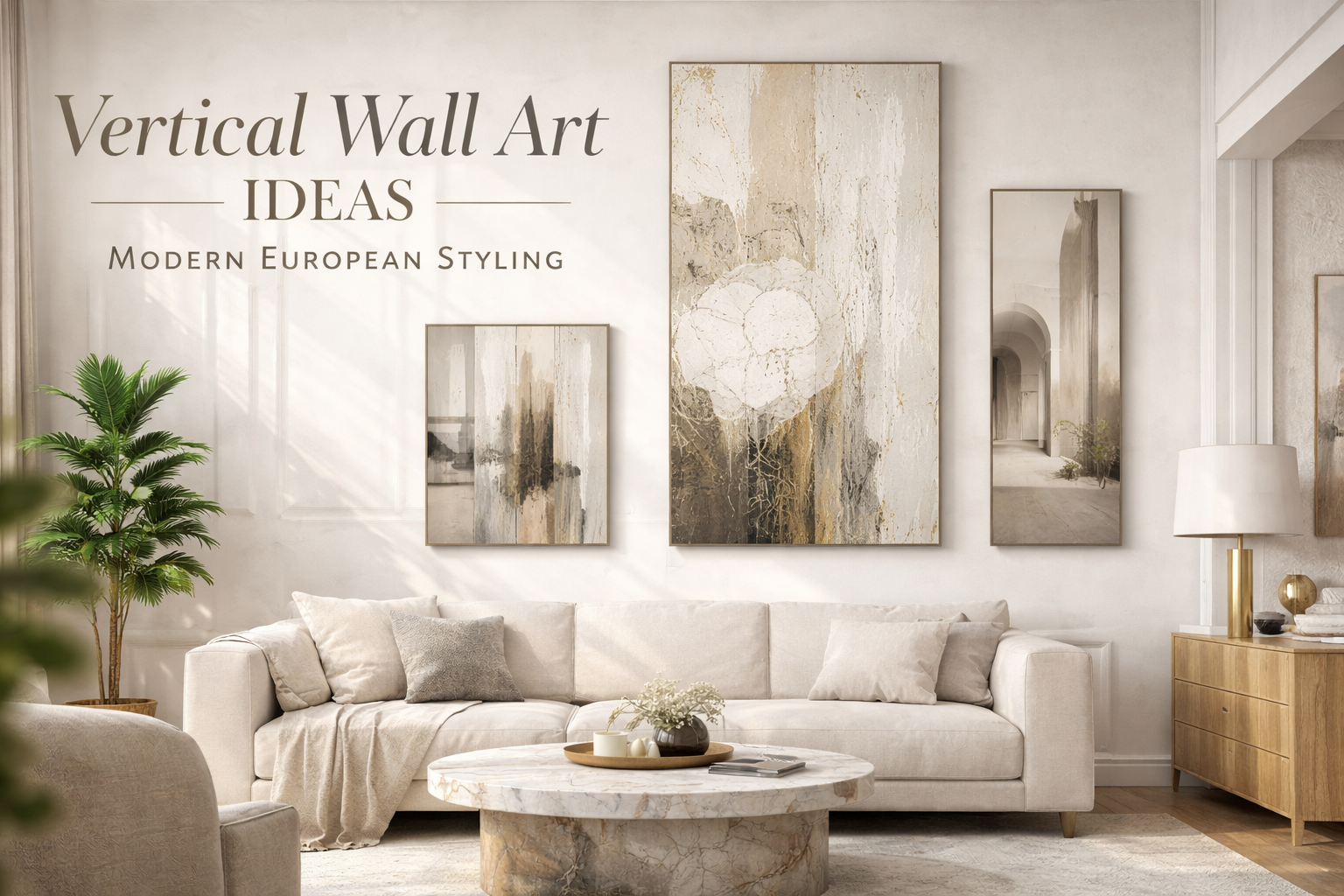
Vertical wall art has rapidly evolved into one of the most influential interior design elements in new homes. Across Scandinavian flats, Parisian lofts, Mediterranean villas, and modern European residences, designers increasingly rely on vertical artwork to create optical height, elegance, and spatial peace.
Unlike horizontal wall décor, vertical wall art directs attention upward, which naturally enhances perceived ceiling height and creates a more spacious environment. This psychological design principle makes particularly valuable in European homes, where narrow corridors, compact living areas, and tall ceilings frequently define architectural maps.
Today, interior designers consider more than simple decoration — it functions as a strategic design solution. A single tall artwork can redefine an entire room, establish a strong focal point, and introduce architectural balance. This approach is increasingly popular in minimalist interiors where fewer decorative elements produce greater optical impact.
Whether you’re decorating a living room, bedroom, hallway, staircase, entryway, workspace, or studio flat, can instantly elevate your zone and create a refined air.
What Is Vertical Wall Art?
Vertical wall art refers to artwork created in portrait orientation, meaning the piece is taller than it is wide. This format emphasizes height, vertical movement, and architectural elegance.
Unlike horizontal wall art that spreads across a wide surface, artwork introduces upward optical flow. This directional movement creates the illusion of taller ceilings and more expansive interiors.
Vertical wall art is particularly effective in:
Small flats
Modern homes
Minimalist interiors
Luxury residences
Narrow zones
This type of wall décor enhances optical proportions while maintaining a clean, uncluttered appearance.
Common Types
Here are the most popular types:
Vertical canvas prints
Tall framed artwork
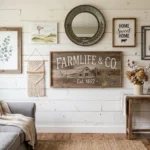
Vertical gallery walls
Textile wall hangings
Wood panels
Metal
Photography prints
Minimalist vertical artwork
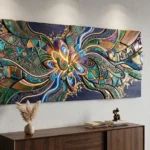
Abstract vertical paintings
Oversize
Each style creates a unique aesthetic depending on your interior theme, lighting, and furniture arrangement.
Where Vertical Wall Art Works Best
Vertical wall art performs exceptionally well in areas that often feel empty, narrow, or difficult to decorate:
Narrow walls
Tall ceilings
Hallways
Staircases
Entryways
Beside furniture
Corner zones
These zones frequently lack optical balance, and vertical artwork solves this design challenge effortlessly.
Why Vertical Wall Art Is Trending in 2026
Vertical wall art continues to gain popularity due to evolving architecture, minimalist lifestyles, and modern European design preferences.
Key Reasons for Growth
Taller Ceilings in Modern Homes
Modern residential architecture increasingly incorporates higher ceilings. Vertical wall art naturally complements these proportions by filling the zone effectively.
Minimalist Design Trends
Minimalist interiors emphasize simplicity, clean lines, and intentional design. A single tall artwork often replaces multiple smaller pieces, creating a refined aesthetic.
Narrow Urban Apartments
European cities frequently feature compact flats. Vertical artwork fits narrow walls without overcrowding the room.
Luxury Interior Styling
Luxury homes, boutique hotels, and designer zones frequently use to create sophisticated interiors.
Scandinavian Design Influence
Scandinavian design prioritizes:
Minimalism
Natural materials
Soft colors
Functional aesthetics
Vertical wall art complements these characteristics perfectly.
Benefits
Makes Rooms Look Taller
Vertical artwork enhances perceived ceiling height, making interiors appear more spacious and airy.
Perfect for Narrow Walls
Vertical art is ideal for:
Hallways
Entryways
Small flats
Staircases
Creates Luxury Look
High-end interiors often incorporate tall artwork to achieve elegance and sophistication.
Works With Minimalist Design
A single vertical artwork creates maximum impact with minimal optical clutter.
Space-Saving Design
Vertical wall art utilizes zones efficiently while maintaining openness.
Where To Use
Living Room
The living room is one of the best places to showcase.
Best Placements
Beside sofa
Corner walls
Next to TV unit
Empty walls
Best Styles
Abstract vertical canvas
Minimalist art
Neutral jewels
Balanced artwork
Bedroom
Vertical wall art creates a relaxing and serene air.
Best Placement
Beside bed
Above nightstands
Opposite wall
Best Styles
Soft abstract art
Nature prints
Textured canvas
Neutral artwork
Hallway
Hallways are ideal .
Ideas
Tall framed prints
Minimalist photography
Vertical gallery frames
Staircase
One of the most effective locations for vertical artwork.
Ideas
Gallery vertical wall
Tall canvas prints
Story-style artwork
Entryway
First impressions matter.
Best Choices
Elegant vertical prints
Minimalist artwork
Neutral jewels
Office
Professional styling ideas:
Abstract vertical art
Black & white photography
Minimalist prints
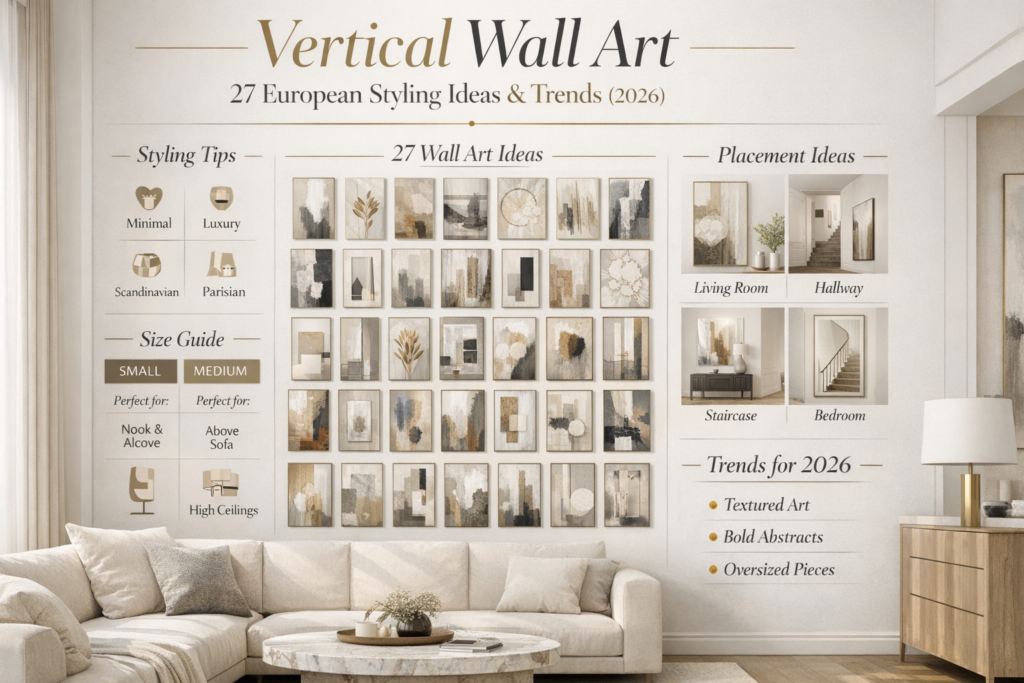
27 Stunning Ideas
Here are 27 powerful t ideas:
Large abstract canvas
Minimalist line art
Botanical vertical prints
Neutral feeling art
Black and white photography
Scandinavian art
Parisian poster art
Landscape vertical prints
Modern luxury artwork
Typography art
Gallery
Tall framed art
Canvas panel art
Metal wall art
Wood balanced art
Boho
Geometrical
Soft pastel artwork
Nature-moved prints
Line drawing art
Vintage European posters
Abstract brushstroke art
Architectural photography
Minimal color block art
Floral
Monochrome artwork
Oversize word art
European Styles
Scandinavian Style
Features:
Neutral jewels
Minimalist design
Soft textures
Best Colors:
Beige
White
Soft gray
Parisian Style
Features:
Vintage posters
Elegant photography
Black & white art
Italian Modern Style
Features:
Bold artwork
Word pieces
Modern feelings
Modern Luxury Style
Features:
Large abstract art
Gold accents
Textured canvas
How To Choose
When selecting , consider:
Room size
Wall height
Color palette
Furniture style
Lighting
Interior theme
Size Guide
Wall Size | Recommended Size
Small Wall | 12×36 inches
Medium Wall | 24×48 inches
Large Wall | 36×72 inches
Size Tips
Artwork should cover 60-75% of wall zone
Shun too small artwork
Choose oversize for impact
Placement Guide
Spacing Rules
Leave 6-10 inches above furniture
Keep center at eye level
Maintain balanced spacing
Mistakes To Avoid
Too small artwork
Too many pieces
Wrong placement
Clashing colors
Poor lighting
Trends 2026
Top trends:
Feeling artwork
Oversize vertical pieces
Warm neutral palettes
Organic shapes
Minimalist artwork
Natural info
Modern abstract art
Pros & Cons
Pros
Makes rooms appear taller
Perfect for narrow walls
Modern and elegant
Space-saving
Cons
Wrong size can look awkward
Needs careful placement
Limited horizontal balance
Styling Tips
Keep spacing balanced
Use neutral palettes
Choose oversize pieces
Match room style
Use good lighting
FAQs
Vertical wall art refers to tall artwork designed in portrait orientation.
Best places include hallways, staircases, living rooms, and bedrooms.
Yes, vertical wall art is one of the biggest modern trends.
Choose artwork covering 60-75% of the wall zone.
Yes, it makes small zones appear larger.
Final Styling Tips
Keep design simple
Use neutral jewels
Choose oversize artwork
Balance spacing
Match interior style
Conclusion
Vertical wall art is one of the most powerful interior design tools for modern homes. Whether you live in a compact flat, new townhouse, or luxury villa, vertical artwork can transform your zone.
By applying the strategies in this comprehensive guide, you can create an elegant, modern, and optically balanced home using vertical wall art.