Introduction
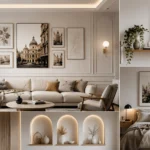
Vintage Wall Decor 2026 has transformed from a simple aesthetic preference into a powerful lifestyle movement across European interior design culture. From the refined flats of Paris to the industrial lofts of Berlin and the luxury villas of Milan, a clear shift is happening: homeowners are rejecting artificial, mass-produced decoration and embracing meaningful, emotionally rich, and historically moved wall aesthetics.
In earlier decades, wall decoration was often treated as an afterthought—something used only to fill empty zones or add basic optical appeal. However, in 2026, walls have evolved into storytelling surfaces. They are no longer passive backgrounds but active expressions of identity, memory, and emotional bottom. People now expect their interiors to communicate personality, values, and lifestyle choices.
This is exactly where vintage wall decor plays a dominant role. Unlike fast furniture trends that fade quickly or digital prints that feel temporary, vintage-inspired wall styling brings permanence, character, and emotional passion. It blends historical charm with modern simplicity, producing a balanced optical language that resonates deeply with new European homeowners.
Another major factor driving this trend is sustainability. Across Europe, eco-conscious living is becoming a central lifestyle principle. Consumers are increasingly aware of environmental impact, leading them to avoid synthetic, plastic-heavy décor and instead choose recycled, upcycled, or long-stable materials. Vintage wall decor naturally aligns with this mindset because it promotes reuse, restoration, and timeless durability.
In addition, the psychology behind interior design has evolved. People are no longer satisfied with purely aesthetic zones—they want emotional environments. A home must feel warm, bottom, and narrative elements that connect the past with the present.
What Is Vintage Wall Decor?
Vintage wall decor refers to decorative wall elements inspired by design aesthetics from earlier historical periods—primarily from the early 20th century to the late 1980s—reinterpreted for new interiors.
However, in 2026, this definition has significantly evolved.
It is no longer about simply collecting antique objects or replicating old designs. Instead, it focuses on curated emotional storytelling through optical composition. The goal is to construct a meaningful wall experience rather than just decoration.
Core Elements of Vintage Wall Decor
- Antique-inspired framed artwork
- Retro typography posters and prints
- Ornamental mirrors with aged finishes
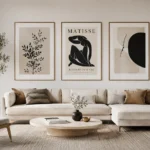
- Mid-century abstract compositions
- Handmade ceramic wall objects
- Black-and-white historical photography
- Textured fabric wall panels
Modern 2026 Interpretation
Today’s vintage wall decor emphasizes:
- Emotional storytelling through opticals
- Deep psychological connection with zone
- Layered feelings for optical richness
- Fusion of old-world and modern minimalism
- Intentional and curated placement
The core objective is not to create “old-looking walls”
The real goal is to build a timeless interior identity that feels alive and meaningful
Why Vintage Wall Decor Is Trending in Europe
Europe is currently at the forefront of the global interior design transformation. The rise of vintage wall decor is not accidental—it is deeply rooted in cultural, emotional, and environmental shifts.
Decline of Fast Furniture Culture
Consumers are increasingly rejecting disposable furniture trends. Instead, they prefer:
- Durable design pieces
- Handcrafted decor items
- Emotionally meaningful objects
- Unique interior compositions
This shift has created a strong demand for vintage-inspired design elements.
Emotional Interior Living
Homes are no longer just physical shelters—they are emotional ecosystems.
People want interiors that feel:
- Calm and grounding
- Warm and expressive
- Personal and reflective
- Story-driven and meaningful
Vintage wall decor fulfills all these emotional needs.
Sustainability Awareness
Eco-conscious design is now a European standard. Vintage decor supports this by:
- Reusing old info
- Reducing environmental waste
- Encouraging restoration instead of replacement
- Promoting slow design principles
Evolution of Luxury Minimalism
Luxury in 2026 is no longer about emptiness or blank zones. Instead, it is about refined richness.
Modern luxury interiors now include:
- Layered feelings
- Subtle historical influence
- Balanced optical storytelling
- Curated artistic expression
Major Vintage Wall Decor Styles in 2026
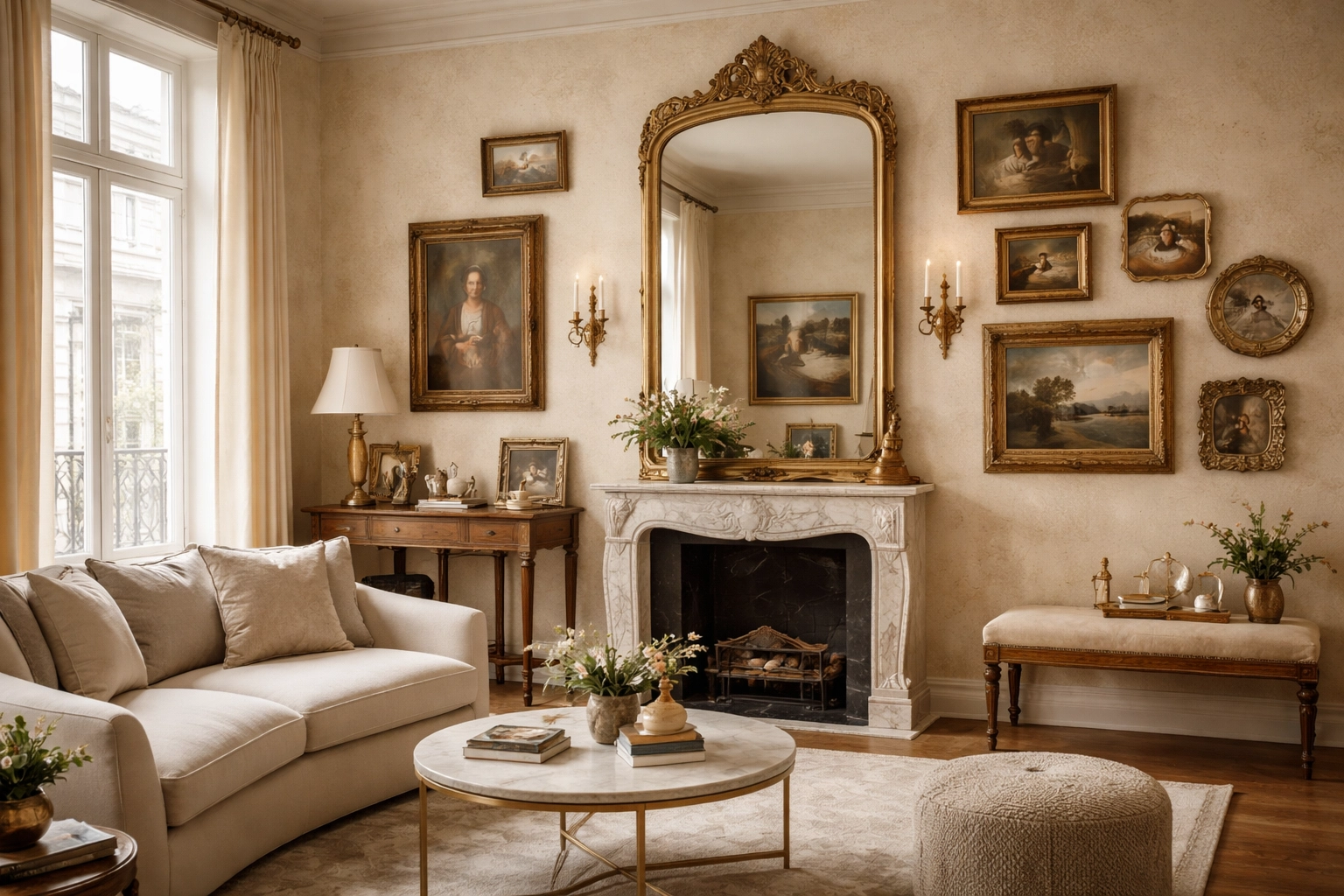
Paris Apartment Vintage Style
Inspired by classical French architecture and interior elegance.
Key Features:
- Ornate gold-framed mirrors
- Soft ivory, beige, and cream palettes
- Classical oil-style artwork
- Symmetrical wall arrangements
Emotional Tone: Romantic, elegant, refined luxury
Ideal For: High-end urban flats and sophisticated interiors
Rustic European Vintage Style
A nature-inspired, earthy design approach rooted in organic materials.
Key Features:
- Reclaimed wood frames
- Warm neutral jewels
- Distressed feelings
- Handcrafted wall elements
Emotional Tone: Cozy, grounded, natural passion
Ideal For: Country homes and warm rustic interiors
Art Deco Revival Style
A bold and luxurious reinterpretation of early 20th-century glamour.
Key Features:
- Sunburst geometrical patterns
- Gold and brass accents
- Strong symmetrical layouts
- High-contrast artwork
Emotional Tone: Power, confidence, luxury
Ideal For: Premium modern European interiors
Mid-Century Retro Style
A functional yet artistic vintage-inspired aesthetic.
Key Features:
- Abstract prints
- Wooden frames
- Soft earthy color schemes
- Clean compositions
Emotional Tone: Balanced, calm, structured
Ideal For: Urban flats and minimal homes
Psychology Behind Vintage Wall Decor
The emotional power of vintage wall decor is deeply rooted in human psychology.
Nostalgia Trigger Effect
Vintage aesthetics activate memory associations and emotional comfort zones in the brain.
Acceptance of Imperfection
Natural aging, feeling variation, and handmade imperfections create authenticity.
Narrative Engagement
Humans are naturally drawn to stories, and vintage walls optically communicate history and meaning.
Emotional Stability Response
Familiar optical elements create subconscious comfort and psychological safety.
This is why vintage interiors feel emotionally “alive” instead of static
Room-by-Room Vintage Wall Decor Guide 2026
Living Room
- Large statement mirror
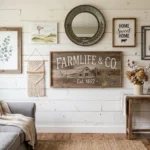
- Curated gallery wall
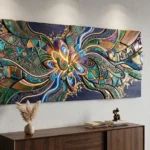
- Bold vintage canvas artwork
Effect: Luxury bottom and strong personality
Bedroom
- Soft botanical prints
- Muted vintage tones
- Symmetrical mini frames
Effect: Calmness and emotional balance
Dining Area
- Ceramic wall plates
- Wooden shelving with art
- Warm-toned paintings
Effect: Hospitality and passion
Hallway & Entryway
- Narrow gallery frames
- Vintage typography art
- Wall lighting accents
Effect: Identity storytelling
Summary Table
| Room | Best Element | Emotional Result |
| Living Room | Gallery + Mirror | Luxury depth |
| Bedroom | Soft prints | Calm intimacy |
| Dining | Plate decor | Warm connection |
| Hallway | Frame gallery | Identity story |
Materials That Define Vintage Wall Decor
Material selection defines authenticity more than color.
Key Materials:
- Aged brass
- Reclaimed timber wood
- Oxidized metals
- Distressed gold frames
- Ceramic handcrafted pieces
- Hand-blown glass
Design Insight:
Texture dominates optical impact in 2026 interiors.
- Rough surfaces → historical bottom
- Natural wear → emotional realism
- Handmade imperfections → luxury perception
Expert Styling System
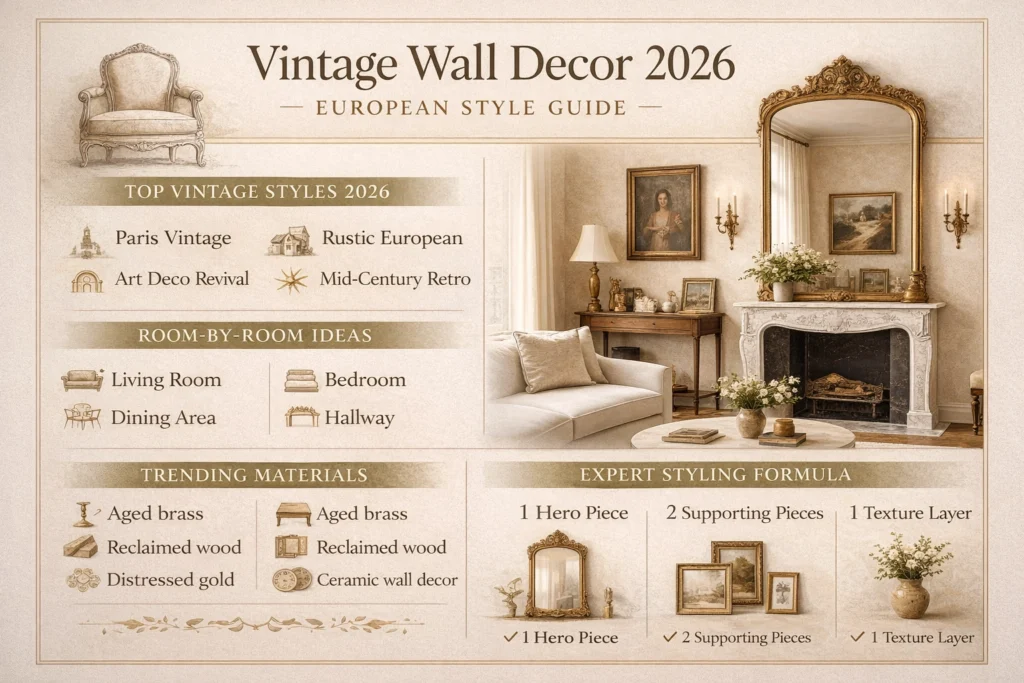
The 1–2–1 Wall Composition Method
1 Hero Element
Large mirror or central artwork
2 Supporting Pieces
Smaller framed visuals
1 Feeling Base
Wood, plaster, or fabric wall background
Example:
- 1 antique mirror
- 2 vintage paintings
- 1 balanced neutral wall
This ensures balance, peace, and optical hierarchy
Common Mistakes to Avoid
Overcrowding wall zone
Mixing unrelated historical styles
No focal point creation
Using low-quality fake vintage prints
Ignoring color peace
Comparison Overview
| Style | Strength | Cost | Usage |
| Paris Vintage | Elegant luxury | High | Premium homes |
| Rustic Vintage | Natural passion | Medium | Countryside homes |
| Art Deco | Bold luxury | High | Modern interiors |
| Mid-Century | Minimal balance | Medium | Urban homes |
How to Choose the Right Vintage Wall Decor
Ask yourself:
- Do I prefer luxury or comfort?
- Do I want bold or minimal expressions?
- Is my home modern or traditional?
Quick Decision Guide:
- Luxury → Art Deco
- Calm → Mid-century
- Warm → Rustic
- Elegant → Paris style
Future of Vintage Wall Decor
Interior design is moving toward hybrid creative systems.
Future Trends:
- Fusion of vintage and digital art
- Sustainable luxury interiors
- Personalized storytelling walls
- Minimal curated gallery designs
Homes will increasingly resemble personal museums of identity.
FAQs
It is wall decoration inspired by older design eras with a modern interpretation.
Yes, it is one of the strongest European interior design trends.
Use a focal piece, supporting art, and neutral feelings.
Beige, cream, gold, olive green, and brown tones.
Yes, especially with mirrors and minimal gallery walls.
Conclusion
Vintage Wall Decor 2026 is more than a design trend—it’s a shift toward meaningful, timeless interiors across Europe. By blending history, feeling, and modern simplicity, vintage wall decor creates homes that feel warm, personal, and luxurious. Whether you choose Paris elegance, simple charm, Art Deco boldness, or mid-century calm, the key is thoughtful curation and emotional storytelling. With the right balance, your walls can transform from simple surfaces into powerful expressions of identity, style, and timeless beauty.