Introduction
The vinyl decoration wall has rapidly evolved into one of the most influential interior design solutions across Europe. In modern homes, especially in cities with compact apartments and rental restrictions, people are increasingly choosing removable wall décor systems as a flexible, stylish, and cost-effective alternative to traditional wall painting or wallpaper installation.
From Berlin’s minimalist apartments to Parisian studio flats and Scandinavian-inspired interiors, vinyl wall design has become a symbol of modern lifestyle aesthetics, personalization, and spatial transformation.
This comprehensive guide explores everything you need to know about vinyl decoration wall systems: meaning, types, psychology, installation process, European design trends, mistakes to avoid, and professional styling techniques used by interior designers.
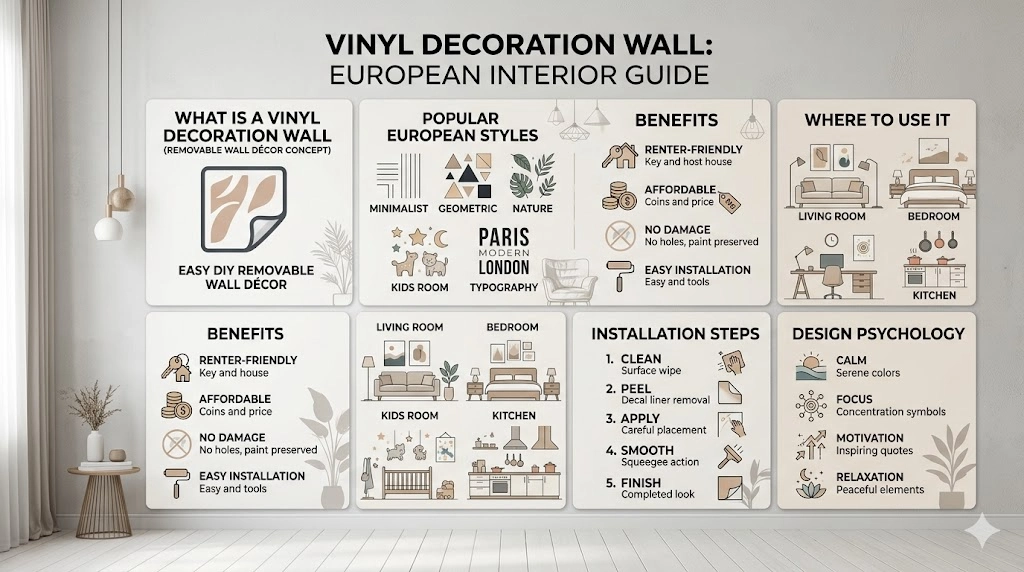
What Is a Vinyl Decoration Wall?
A vinyl decoration wall refers to a decorative interior surface enhanced using adhesive vinyl materials. These vinyl elements are designed to stick directly onto walls and can be removed later without permanent damage.
In NLP (natural language processing) terms, this concept can also be described as:
- removable wall art system
- adhesive interior design layer
- peel-and-stick wall customization
- non-permanent decorative wall solution
- flexible surface design application
Core Components of Vinyl Wall Decoration:
- Vinyl stickers (shapes, patterns, illustrations)
- Wall decals (small decorative elements)
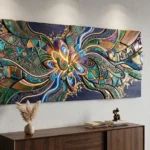
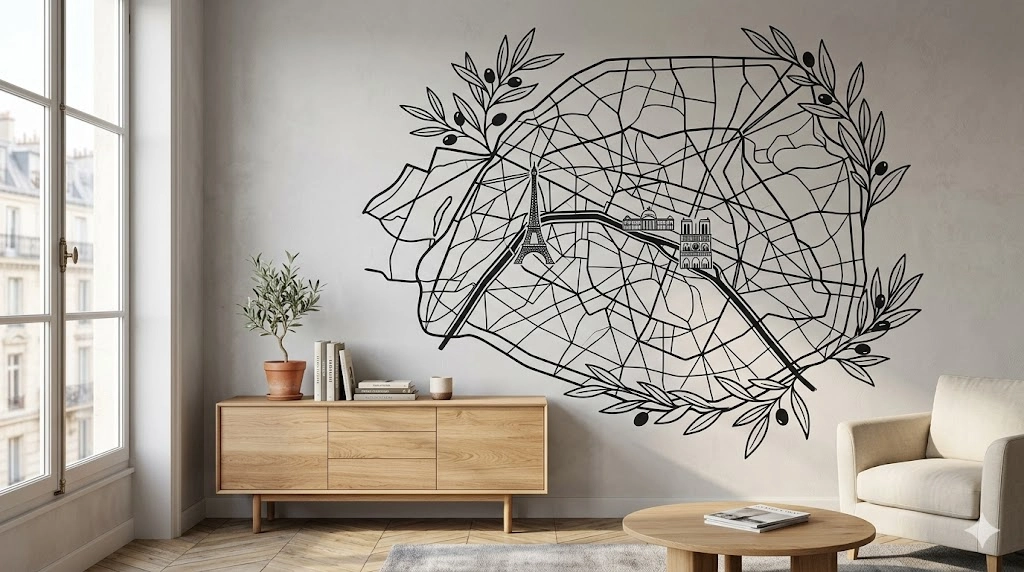
- Large vinyl murals (full-wall visuals)
- Typography vinyl quotes
- Geometric pattern overlays
Simple Definition:
A vinyl decoration wall is a temporary, customizable, and non-invasive wall transformation method that enhances interior aesthetics without construction or renovation.
Why Vinyl Decoration Wall Is Trending in Europe
The popularity of vinyl wall décor in Europe is not random—it is deeply connected with urban lifestyle, architecture, rental systems, and cultural design psychology.
1. Urban Compact Living Structures
European cities such as:
- Berlin
- Amsterdam
- Paris
- Vienna
- Stockholm
are known for compact housing units. Apartments are often small, functional, and optimized for efficiency.
Because of limited space and strict renovation rules, residents prefer non-permanent wall customization methods like vinyl decoration walls.
2. Rental-Friendly Interior Culture
Across Europe, rental agreements often restrict:
- Permanent wall painting
- Drilling holes
- Structural modifications
- Wallpaper changes in some cases
Therefore, vinyl wall systems act as a legal, safe, and reversible design solution for tenants.
In NLP terms:
- renter-safe wall design system
- non-destructive interior upgrade
- temporary aesthetic enhancement layer
3. Eco-Conscious Design Movement
Modern European interior trends prioritize sustainability and environmental awareness.
New-generation vinyl materials include:
- PVC-free compositions
- recyclable polymer blends
- low-waste production systems
- reduced chemical emission coatings
This aligns with Europe’s shift toward eco-responsible interior architecture and sustainable lifestyle design.
4. Minimalist Design Philosophy
Scandinavian and Northern European design strongly influences global aesthetics.
Key principles:
- simplicity
- neutral tones
- functional beauty
- visual clarity
- reduced clutter
Vinyl decoration walls support this philosophy by offering minimal yet expressive design enhancement without overwhelming space.
Types of Vinyl Decoration Wall Styles
There are multiple stylistic categories within vinyl wall design systems. Each type creates a different psychological and visual impact.
1. Minimalist Vinyl Wall Designs
Minimalism is the dominant European design language.
Features:
- monochrome palettes
- thin line illustrations
- abstract simplicity
- negative space usage
Emotional Impact:
- calmness
- clarity
- focus enhancement
Ideal for living rooms, offices, and modern apartments.
2. Children’s Room Vinyl Decoration Walls
This category is highly popular in family-oriented households.
Common elements:
- animals (fox, bear, rabbit, elephant)
- alphabet learning visuals
- stars, clouds, moons
- storytelling illustrations
Benefits:
- cognitive stimulation
- creativity development
- playful environment creation
3. Geometric Vinyl Wall Patterns
Geometric design is a major architectural trend.
Includes:
- triangles, circles, hexagons
- asymmetric layouts
- modular repetition patterns
Psychological Effect:
- order perception
- structured thinking
- modern sophistication
4. Nature-Inspired Vinyl Murals
Inspired by Nordic and Alpine environments.
Elements:
- forests
- mountains
- botanical illustrations
- leaf patterns
Emotional Outcome:
- stress reduction
- relaxation
- natural harmony integration
5. Typography & Quote-Based Vinyl Walls
One of the most searched design categories globally.
NLP variations:
- motivational wall typography
- inspirational quote wall decals
- text-based emotional design elements
Psychological Impact:
- motivation boost
- identity reinforcement
- emotional connection
Design Psychology of Vinyl Decoration Walls
A vinyl decoration wall is not only a decorative layer—it functions as a psychological environment modifier.
Emotional Design Mapping:
| Design Type | Emotional Response |
| Soft neutral tones | Calm, relaxation |
| Bold geometric forms | Focus, discipline |
| Nature visuals | Emotional healing |
| Quotes & typography | Motivation, ambition |
Interior Psychology Insight:
Humans respond strongly to visual stimuli on walls because walls dominate peripheral vision, influencing subconscious mood states.
Where to Use Vinyl Decoration Walls in a Home
Vinyl wall décor can be integrated across multiple interior zones.
Living Room Applications
- feature wall behind sofa
- entertainment backdrop
- accent visual zone
Creates a strong aesthetic identity for the home.
Bedroom Applications
- headboard accent wall
- soft inspirational quotes
- calming visual patterns
Enhances relaxation and sleep quality.
Kitchen Areas
- minimal decorative accents
- food-inspired typography
Adds personality without clutter.
Children’s Rooms
- learning-based visuals
- Storytelling wall designs
Supports educational development.
Office / Workspace
- productivity quotes
- structured minimal design
Improves concentration and workflow efficiency.
Installation Process
Installing vinyl decoration wall elements is a DIY-friendly process, but precision improves results.
Step-by-Step Process:
1. Surface Preparation
Clean the wall thoroughly to remove dust, oil, or moisture.
2. Measurement Planning
Define layout before application.
3. Peel Application
Carefully detach the backing layer.
4. Wall Placement
Apply top-down pressure gradually.
5. Bubble Removal
Use a flat tool for smoothing.
6. Final Adjustment
Ensure alignment accuracy.
Common Mistakes in Vinyl Wall Design
Avoiding errors is crucial for long-lasting visual quality.
Frequent Mistakes:
- applying on textured walls
- overcrowding designs
- ignoring lighting conditions
- using low-quality vinyl material
- poor alignment planning
Expert European Interior Design Tips
Professional designers in Europe follow strategic principles.
1. Use Negative Space Intelligently
Empty wall space enhances premium visual aesthetics.
2. Color Coordination Strategy
Match vinyl tones with furniture palette.
3. One Wall Focus Rule
Only one feature wall should dominate a room.
4. Lighting Optimization
Natural light affects vinyl perception and depth.
Vinyl Decoration Wall Trends in Europe
Future design direction includes:
- earth-tone minimalism
- oversized mural vinyl art
- sustainable material innovation
- abstract visual storytelling
- personalized typography systems
Pros and Cons Analysis
Advantages:
- cost-efficient interior upgrade
- fully removable system
- renter-friendly solution
- high design flexibility
- fast installation
Limitations:
- unsuitable for rough surfaces
- durability varies by quality
- alignment precision required
- moisture sensitivity in some cases
Vinyl Decoration Wall vs Traditional Painting
| Feature | Vinyl Wall | Paint |
| Cost | Low | Medium-High |
| Flexibility | High | Low |
| Installation Time | Fast | Slow |
| Reversibility | Yes | No |
| Design Variety | Very High | Medium |
FAQs
Yes, it is designed to be removable without damaging paint.
Typically 3–7 years depending on material quality.
No, smooth surfaces are required.
Some variants are moisture-resistant, not fully waterproof.
Generally, no once removed.
Final Conclusion
The vinyl decoration wall system represents a modern evolution in European interior design culture. It blends aesthetics, functionality, affordability, and psychological design principles into one flexible solution.
It is not just decoration—it is a transformative spatial identity tool that allows individuals to redefine their living environment instantly.
Whether used in minimalist apartments, family homes, or creative studios, vinyl wall design continues to reshape how modern interiors are experienced in Europe and beyond.