Introduction
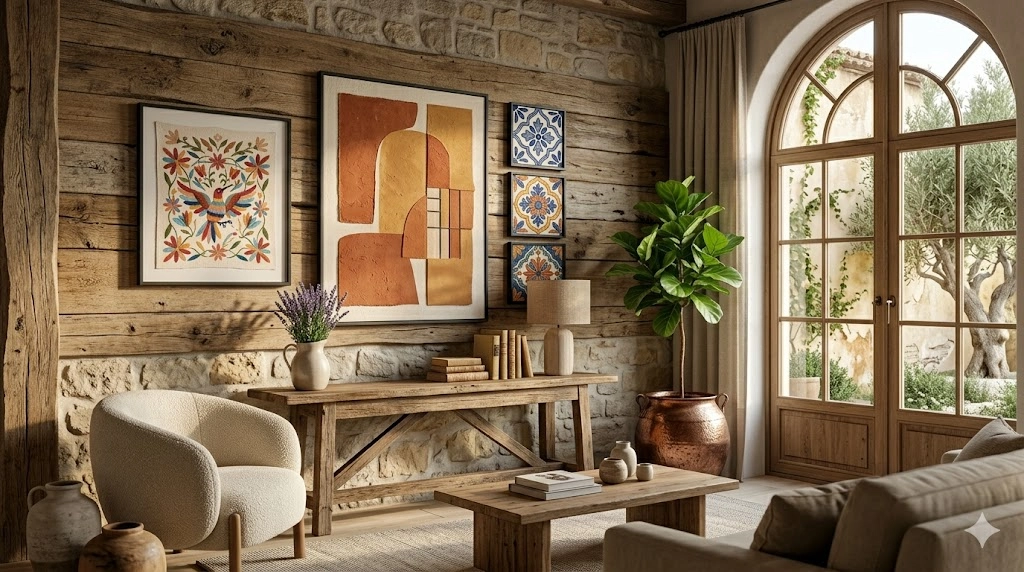
Rustic wall decoration has evolved far beyond its traditional countryside origins. In 2026, it was transformed into a global interior language system, blending natural materials, emotional design psychology, and European architectural influence into a unified aesthetic direction.
Across Europe—whether in minimalist Scandinavian flats, rustic French countryside homes, or luxury Italian villas—there is a clear shift away from synthetic, glossy, over-designed interiors. Instead, people are choosing environments that feel:
- Organically warm
- Emotionally grounding
- Naturally textured
- Artisan-inspired
- Visually calming
This transformation is not random. It reflects a deeper psychological need for nature-connected living environments in a digitally saturated world.
Unlike polished modern interiors that emphasize perfection, rustic wall decor celebrates:
- Natural imperfections
- Raw material authenticity
- Handmade craftsmanship
- Earth-derived color systems
- Textural depth and asymmetry
In NLP design theory (Neuro-Linguistic Programming applied to interiors), these elements influence subconscious emotional states, making spaces feel safer, calmer, and more meaningful.
This guide explores everything about rustic decor for walls in 2026—from European design styles and psychological frameworks to room-specific strategies and DIY applications.
What Is Rustic Decor for Walls?
Rustic wall decor refers to an interior design approach that prioritizes organic materials, natural finishes, and tactile visual experiences to create emotionally rich environments.
Rewritten
Rustic wall styling is a design methodology centered around earth-derived textures, unprocessed materials, and handcrafted visual elements that collectively produce a warm, grounded, and emotionally resonant atmosphere.
It originates from:
- Rural European architecture
- Traditional artisan craftsmanship
- Nature-centric living philosophies
- Historical countryside homes
- Minimal industrial rejection aesthetics
Rather than focusing on symmetry or artificial refinement, rustic design embraces authentic irregularity and material honesty.
Key Elements of Rustic Wall Decor
Rustic Wall aesthetics are constructed through several foundational design components:
1. Organic Wooden Structures
- Reclaimed timber panels
- Aged wooden framing systems
- Weathered surface finishes
- Natural grain exposure
2. Earth-Based Textural Layers
- Stone cladding installations
- Clay-textured wall finishes
- Mineral plaster surfaces
- Rough tactile coatings
3. Artisan-Made Decorative Elements
- Handwoven wall baskets
- Linen textile hangings
- Ceramic wall artifacts
- Craft-based installations
4. Industrial-Organic Metal Accents
- Matte iron framing
- Vintage metal fixtures
- Blackened steel contrasts
- Antique hardware detailing
5. Earth-Toned Chromatic Systems
- Beige sand palettes
- Warm ivory gradients
- Olive botanical shades
- Terracotta clay tones
- Muted brown spectrums
Rustic design philosophy does not prioritize perfection. Instead, it prioritizes emotional storytelling through material authenticity.
Design Psychology: Why Rustic Walls Feel So Comfortable
Rustic interiors dominate 2026 because they activate deep psychological responses linked to safety, memory, and emotional grounding.
1. Biophilic Emotional Connection
Humans are neurologically wired to respond positively to natural environments. Rustic surfaces replicate this through:
- Wood fiber patterns
- Stone irregularities
- Organic asymmetry
This reduces cognitive overload and enhances relaxation states.
2. Emotional Safety Architecture
Earth-based tones such as brown, beige, and muted green generate subconscious signals of:
- Stability
- Protection
- Comfort
- Emotional grounding
3. Memory Association Effect
Rustic environments often trigger nostalgic recall patterns linked to:
- Childhood homes
- Rural landscapes
- Cultural heritage spaces
This strengthens emotional attachment to interiors.
4. Soft Visual Processing Theory
Unlike modern sharp-edged interiors, rustic walls feature:
- Rounded imperfections
- Organic shapes
- Soft shadow transitions
This reduces visual stress and improves mental ease.
European Rustic Wall Decor Styles 2026 Trends
Europe remains the strongest influence on modern rustic design evolution.
Scandinavian Rustic Style
Minimal yet emotionally warm design system.
Rewritten structure:
Light-toned wooden surfaces, neutral chromatic palettes, and simplified decorative frameworks define this Nordic-inspired aesthetic.
- Pale timber textures
- White-dominant wall systems
- Soft grey balancing tones
Emotional Output: Calm, airy, balanced simplicity
Best suited for: Urban apartments
French Country Rustic
A romantic and expressive interior approach.
- Antique wall framing
- Decorative vintage compositions
- Soft pastel tonal blending
Emotional Output: Elegant, nostalgic, artistic
Best suited for: Bedrooms and lounges
Italian Rustic Tradition
A warm, heritage-rich architectural style.
- Terracotta wall tones
- Heavy stone integration
- Antique artistic expressions
Emotional Output: Deep warmth, cultural richness
Best suited for: Kitchens and villas
Alpine Rustic Architecture
Inspired by Swiss and Austrian mountain homes.
- Solid timber structures
- Iron reinforcement elements
- Natural mountain-inspired motifs
Emotional Output: Strength, stability, grounding
Best suited for: Cabins and chalets
Modern European Rustic Fusion
The most dominant contemporary style.
A hybrid system combining:
- Minimalism
- Rustic authenticity
- Modern spatial logic
This creates clean yet textured living environments.
Rustic Wall Decor Styles Comparison
| Style | Materials | Colors | Mood | Ideal Spaces |
| Scandinavian Rustic | Light wood, linen | White, grey | Calm | Apartments |
| French Rustic | Vintage wood | Pastels | Romantic | Bedrooms |
| Italian Rustic | Stone, clay | Warm tones | Rich | Kitchens |
| Alpine Rustic | Timber, iron | Dark browns | Strong | Chalets |
| Modern Rustic | Mixed materials | Neutral | Balanced | Urban homes |
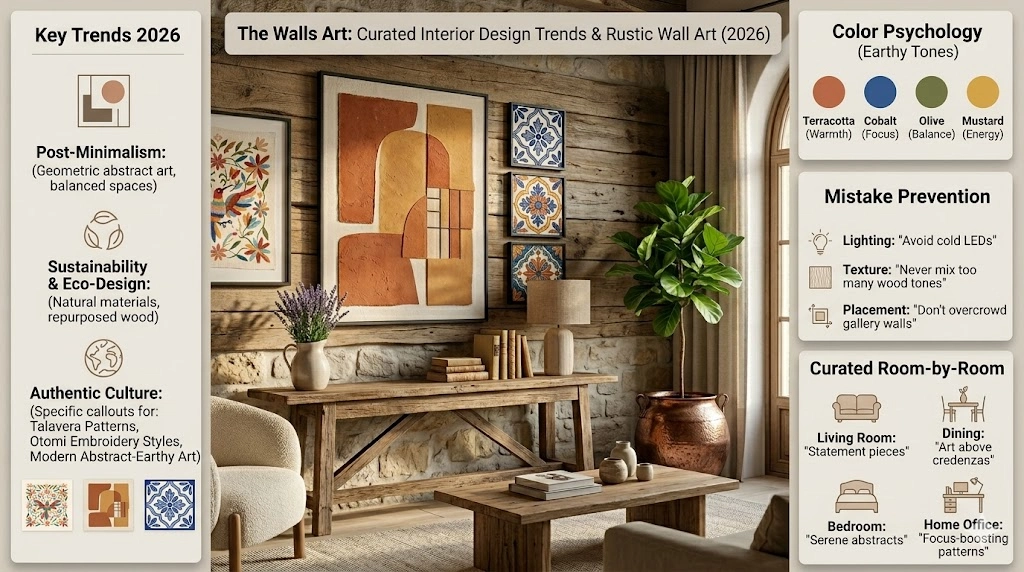
2026 Trends in Rustic Wall Design
1. Minimal Rustic Evolution
A refined aesthetic where simplicity meets texture.
- Clean wall spacing
- Natural wood framing
- Subtle decor integration
2. Textural Wall Dominance
Decor is being replaced by surface storytelling.
- Fabric wall panels
- Clay installations
- Woven organic structures
3. Sustainable Interior Movement
Eco-conscious design is central in Europe.
- Recycled timber
- Natural pigments
- Handmade decor systems
4. Japandi-Rustic Hybrid
A fusion of Japanese minimalism and Scandinavian warmth.
- Functional design logic
- Earth-based tones
- Decluttered visual flow
5. Emotional Narrative Interiors
Walls are becoming storytelling surfaces featuring:
- Personal memories
- Travel artifacts
- Handmade art compositions
Best Rustic Decor for Walls Ideas
1. Reclaimed Timber Wall Panels
Highly impactful rustic feature element.
Why it works:
- Adds dimensional depth
- Enhances sustainability
- Creates visual authenticity
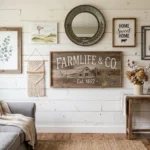
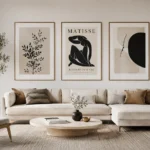
2. Curated Gallery Walls
Structured collections of framed visuals.
- Nature photography
- Vintage illustrations
- Wooden framing systems
3. Woven Basket Installations
A trending European decor innovation.
Benefits:
- Affordable styling
- Strong texture layering
- Artisan aesthetic appeal
4. Rustic Mirror Structures
Functional and decorative hybrid elements.
- Antique finishes
- Wooden framing
- Circular shapes
5. Industrial Rustic Accents
Adds contrast and visual strength.
- Iron fixtures
- Vintage signage
- Metal art pieces
Room-by-Room Rustic Styling Guide
Living Room
Focus: emotional warmth + identity expression
- Wooden feature walls
- Statement mirrors
- layered gallery compositions
Bedroom
Focus: relaxation + softness
- Neutral artwork
- Soft timber backgrounds
- minimal shelf systems
Kitchen
Focus: tradition + functionality
- Hanging utensils
- Rustic shelving
- farmhouse-inspired signage
Entryway
Focus: first impression psychology
- Statement mirror
- Wooden hooks
- welcoming visual cues
Home Office
Focus: balance + focus enhancement
- Wooden textures
- minimal wall art
- neutral tone systems
DIY Rustic Wall Decor Ideas
Simple DIY Concepts
- Distressed wood framing
- Handmade signage boards
- Rope-based wall hangings
- Vintage collage compositions
Why DIY Works
- Cost-efficient execution
- Personal identity expression
- Unique visual identity creation
Rustic Wall Color Psychology
Core palette system:
- Sand beige
- Warm ivory
- Olive green
- Clay terracotta
- Muted brown
- Stone grey
These tones produce:
- Emotional equilibrium
- Reduced visual tension
- Natural spatial harmony
Pros & Cons of Rustic Wall Design
Advantages
- Strong emotional warmth
- Highly adaptable aesthetic
- Long-term timeless appeal
- Sustainable material options
Limitations
- Can appear visually heavy if overused
- Requires balanced lighting design
- High-quality materials may increase cost
Expert Styling Techniques
- Combine multiple textures (wood + fabric + metal)
- Maintain controlled visual spacing
- Use warm ambient lighting systems
- Build narrative-based wall layouts
- Blend rustic with modern minimalism
Common Design Errors
- Overuse of dark timber tones
- Excess decorative layering
- Poor lighting distribution
- Random style mixing without coherence
- Artificial-looking printed materials
SEO Keyword Integration
- rustic wall decor ideas
- European rustic interior design
- modern rustic home styling
- farmhouse wall aesthetics
- natural wall texture trends 2026
- cozy interior design concepts
FAQs
It is a design approach using natural materials such as wood, stone, and metal to create warm and emotionally engaging interiors.
Yes, especially modern rustic and European fusion styles.
Earth tones like beige, brown, olive green, and terracotta.
Yes, especially Scandinavian rustic style.
Farmhouse is more American traditional, rustic is broader and more European-inspired.
Conclusion
Rustic decor for walls in 2026 is more than a design trend—it is a return to natural living and emotional comfort. By combining wood, stone, earthy colors, and handmade textures, rustic interiors create warm, timeless spaces that feel connected to nature and European heritage.
Whether you prefer Scandinavian simplicity, French elegance, or Italian warmth, rustic wall design can easily adapt to any home style. The key is balance—mix natural materials, keep layouts simple, and focus on authentic textures rather than heavy decoration.
In short, rustic wall decor transforms ordinary walls into meaningful, cozy, and visually calming spaces that will remain stylish well beyond 2026.