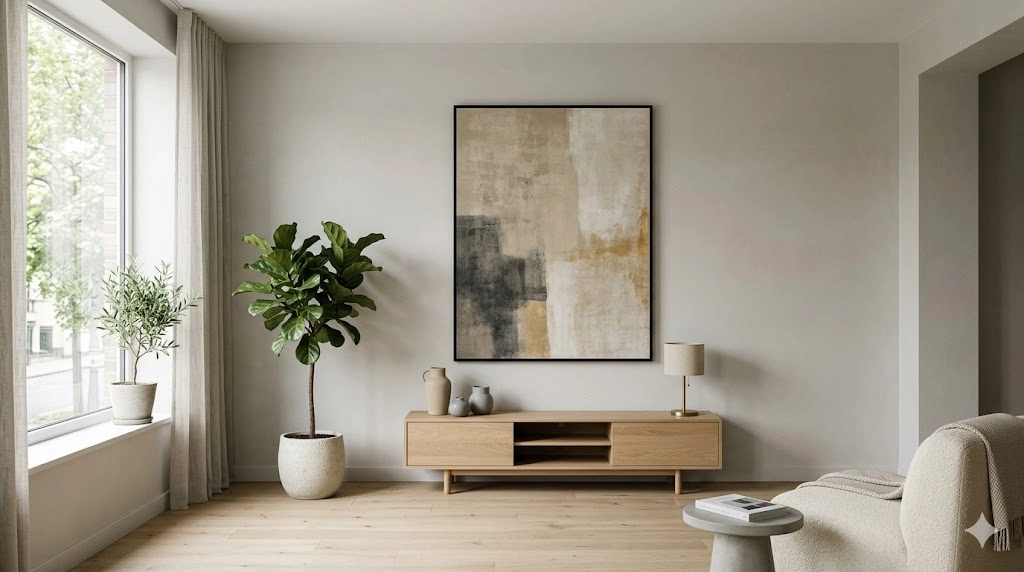
Introduction
A large empty wall can completely change how a room feels. It can either look unfinished and cold—or become the most powerful design feature in your home. Knowing How to Decorate A Large Wall is not just about filling space, but about creating balance, emotion, and visual harmony.
In modern European interiors, large walls are treated as “design opportunities,” not problems. From minimalist Scandinavian apartments to elegant French homes, designers focus on proportion, texture, and storytelling rather than clutter.
This guide will help you transform any oversized wall into a stunning focal point using expert-level interior design strategies. Whether you live in a small European apartment or a spacious modern home, you’ll discover practical, aesthetic, and trend-driven solutions used by professional designers in 2026.
Understanding How to Decorate a Large Wall
Before choosing decor, you must understand one core idea:
A large wall is not a space to fill—it is a surface to compose.
Core Design Principles
- Scale over quantity: Bigger walls need larger visual elements
- Balance over decoration: Symmetry or intentional asymmetry matters
- Negative space is design: Empty areas create elegance
- Focal point rule: Every large wall needs one dominant visual anchor
European designers—especially in Scandinavian and German interiors—avoid overcrowding. Instead, they use structured minimalism with intentional spacing.
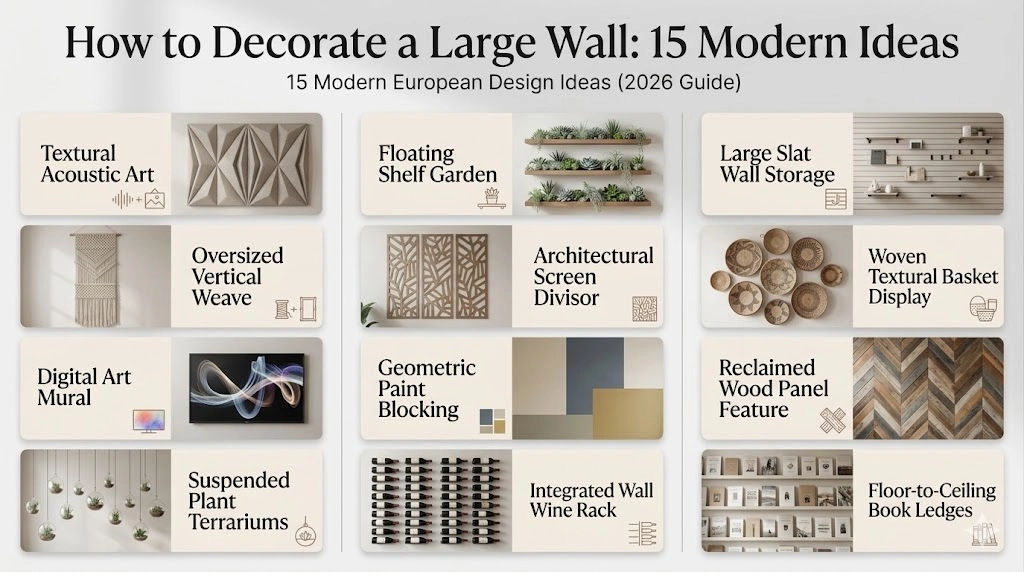
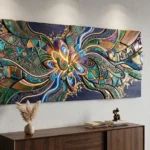
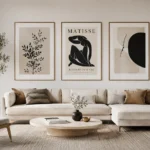
Oversized Wall Art
Oversized art is one of the most effective ways to design large walls.
Why it works:
- Instantly creates a focal point
- Reduces visual chaos
- Adds luxury and depth
Best spaces:
- Living rooms
- Bedrooms
- Entry halls
Style tips:
- Abstract art for modern homes
- Black-and-white photography for minimalist interiors
- Nature-inspired prints for Nordic aesthetics
In Italian and French interiors, one large canvas often replaces multiple small decorations.
Large Mirrors for Space Expansion
Mirrors are a classic European interior trick.
Benefits:
- Makes rooms feel larger
- Reflects natural light
- Enhances elegance
Popular styles:
- Round oversized mirrors (Scandinavian trend)
- Floor-to-ceiling mirrors (modern luxury apartments)
- Geometric mirror clusters (contemporary design)
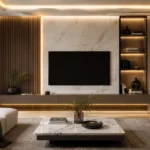
Wood Paneling & Textured Wall Designs
Texture is a major trend in 2026 European interiors.
Materials used:
- Natural oak wood slats
- MDF geometric panels
- Stone or plaster textures
Why it matters:
Instead of adding decor, the wall itself becomes the design.
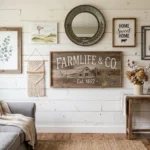
Gallery Wall with Modern Layouts
Gallery walls remain popular—but with structure.
Modern layouts:
- Grid layout (German minimalist style)
- Organic layout (artistic European homes)
- Mixed frame styles (Parisian interiors)
Pro Tip:
Maintain equal spacing between How to Decorate a Large Wall frames for a curated look.
Floating Shelves with Curated Objects
Floating shelves add function + beauty.
What to display:
- Ceramic decor
- Indoor plants
- Books
- Sculptures
Mistake to avoid:
Overloading shelves destroys visual balance.
Wallpaper Feature Walls 2026 Trend
Wallpaper is making a strong comeback in Europe.
Popular designs:
- Soft botanical patterns
- Abstract textures
- Linen-inspired neutrals
Best use:
Accent walls in bedrooms and dining spaces.
Wall Murals
Murals turn walls into immersive experiences.
Themes:
- European landscapes
- City skylines (Paris, London, Rome)
- Abstract motion art
Furniture-Integrated Wall Styling
Walls should connect with furniture.
Examples:
- Sofa + art alignment
- Console table styling
- Headboard wall integration
This creates a grounded, architectural composition.
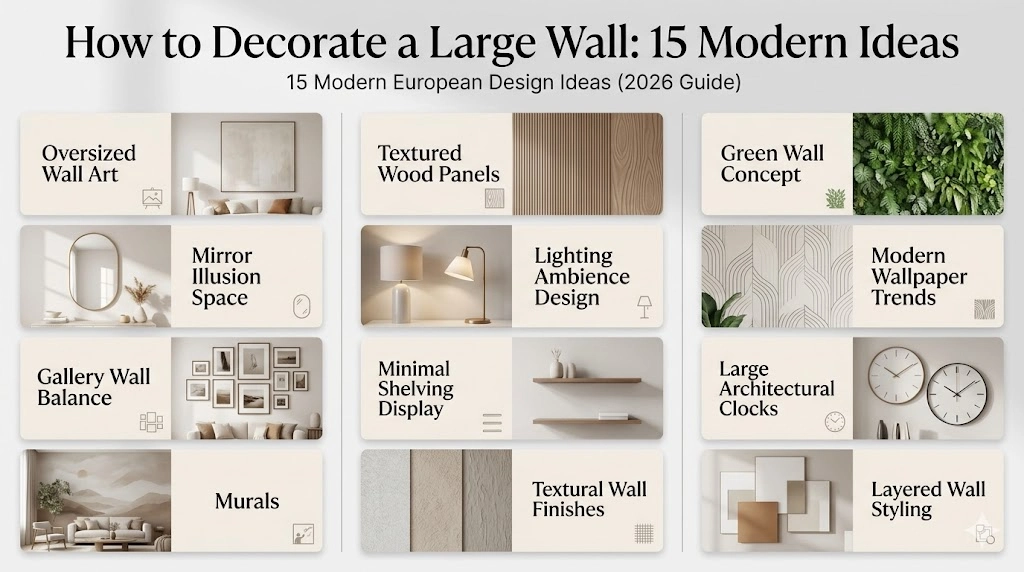
Green Walls & Plant-Based Design
Biophilic design is growing across Europe.
Options:
- Vertical plant walls
- Hanging planters
- Shelf-based greenery
Benefit:
Adds freshness and improves indoor air feel.
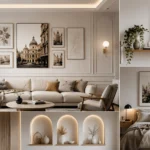
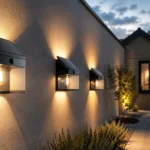
Lighting as Wall Art
Lighting can replace physical decor.
Types:
- Wall sconces (French elegance)
- LED backlit panels (modern apartments)
- Hidden strip lighting (luxury minimalism)
Minimalist Grid Composition
Perfect for structured interiors.
- Symmetrical layout
- Limited color palette
- Equal spacing design
Very popular in Swiss and German homes.
Textile Wall Art
Textiles bring warmth to large walls.
Options:
- Woven tapestries
- Fabric panels
- Handmade fiber art
Oversized Wall Clocks
Functional yet decorative.
Best rooms:
- Dining areas
- Offices
- Hallways
Architectural Wall Features
High-end European design uses built-in wall structures.
Features:
- Wall molding
- Arched frames
- Decorative trims
Common in luxury Italian and French homes.
Layered Wall Composition
The most advanced technique in interior design.
Combine:
- Art
- Lighting
- Shelves
- Mirrors
This creates depth, storytelling, and visual richness.
Large Wall Design Strategy Table
| Approach | Style | Best For | Effect |
| Oversized Art | Minimalist | Living rooms | Strong focal point |
| Gallery Wall | Creative | Hallways | Storytelling |
| Mirrors | Modern | Small rooms | Space expansion |
| Wood Panels | Luxury | Bedrooms | Texture depth |
| Murals | Artistic | Feature walls | Immersive design |
| Lighting | Contemporary | Any room | Mood creation |
Pros & Cons
Pros:
- Transforms empty spaces into focal points
- Enhances interior value and aesthetics
- Adds personality and identity
- Improves spatial balance
Cons:
- Poor planning leads to clutter
- Wrong scale breaks visual harmony
- Over-decoration reduces elegance
Expert Wall Styling Tips
- Always choose one focal point per wall
- Use odd-number composition for artistic layouts
- Mix textures instead of too many colors
- Keep Scandinavian simplicity in small apartments
- Use warm lighting for cozy European ambiance
- Maintain breathing space between elements
Common Mistakes to Avoid
- Filling the wall completely
- Using too many small decorations
- Ignoring wall proportions
- Random placement without structure
- Overusing colors and patterns
European Inspiration for Large Wall Design
Scandinavian Style:
Clean, neutral, minimal, functional
French Style:
Elegant frames, soft tones, artistic layering
Italian Style:
Luxury textures, bold focal points, rich materials
German Style:
Precision layouts, geometric balance
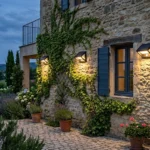
Mediterranean Style:
Warm colors, natural textures, rustic charm
People Also Ask
The best way depends on your style, but oversized art or structured gallery walls work most effectively. They create balance and prevent clutter while enhancing focus.
Use one dominant element like a large painting or mirror. Keep surrounding space minimal to maintain visual breathing room.
Neutral tones like beige, white, grey, and soft earth shades work best in European interiors. They allow decor elements to stand out naturally.
Yes, but maintain a consistent theme. For example, mix wood and metal but keep the color palette unified for harmony.
Textured walls, oversized art, lighting-based decor, and minimalist structured layouts are leading trends in European interior design.
Conclusion
Understanding how to decorate a large wall is about more than decoration—it is about design intelligence. A well-styled wall can completely transform the atmosphere of a room, making it feel balanced, elegant, and intentional.
European interior trends emphasize simplicity, texture, and proportion rather than overcrowding. Whether you choose oversized art, mirrors, wood panels, or layered compositions, the goal is always the same: create harmony between space and design.