Introduction
Tree Wall Art has become one of the most emotionally powerful and visually grounding elements in modern interior design. In European homes especially, where space is often limited and design is deeply intentional, tree-inspired wall décor brings a sense of nature, balance, and calm into everyday living spaces.
From minimalist Scandinavian apartments in Sweden to elegant Parisian interiors and modern German lofts, tree wall art is used not just as decoration—but as a design statement that reflects lifestyle, identity, and harmony with nature.
In 2026, interior trends are shifting strongly toward biophilic design, where natural elements are integrated into home environments. Tree wall art fits perfectly into this movement, offering both symbolic meaning and aesthetic value.
This guide will help you understand everything—from styles, placement rules, materials, and European design inspiration—to expert-level decorating strategies used by interior designers across Europe.
What is Tree Wall Art?
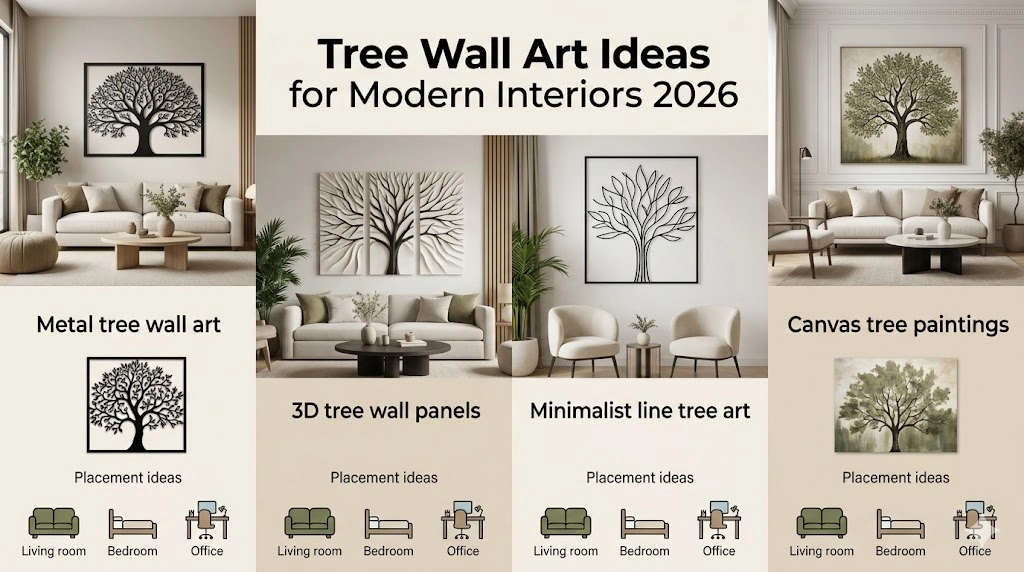
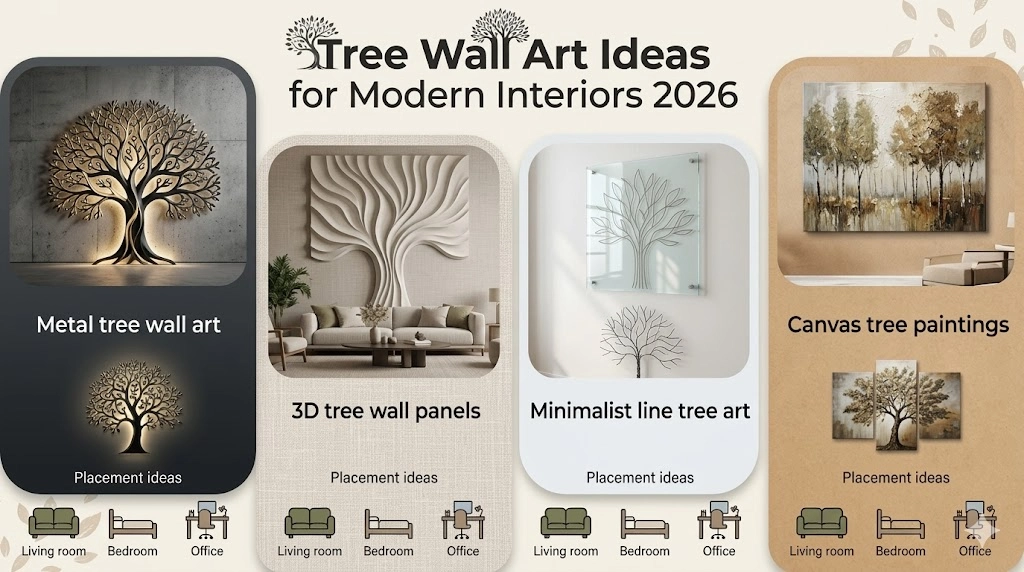
Tree wall art refers to decorative artwork inspired by trees, branches, roots, forests, and natural growth patterns. It can appear in multiple forms:
- Canvas paintings
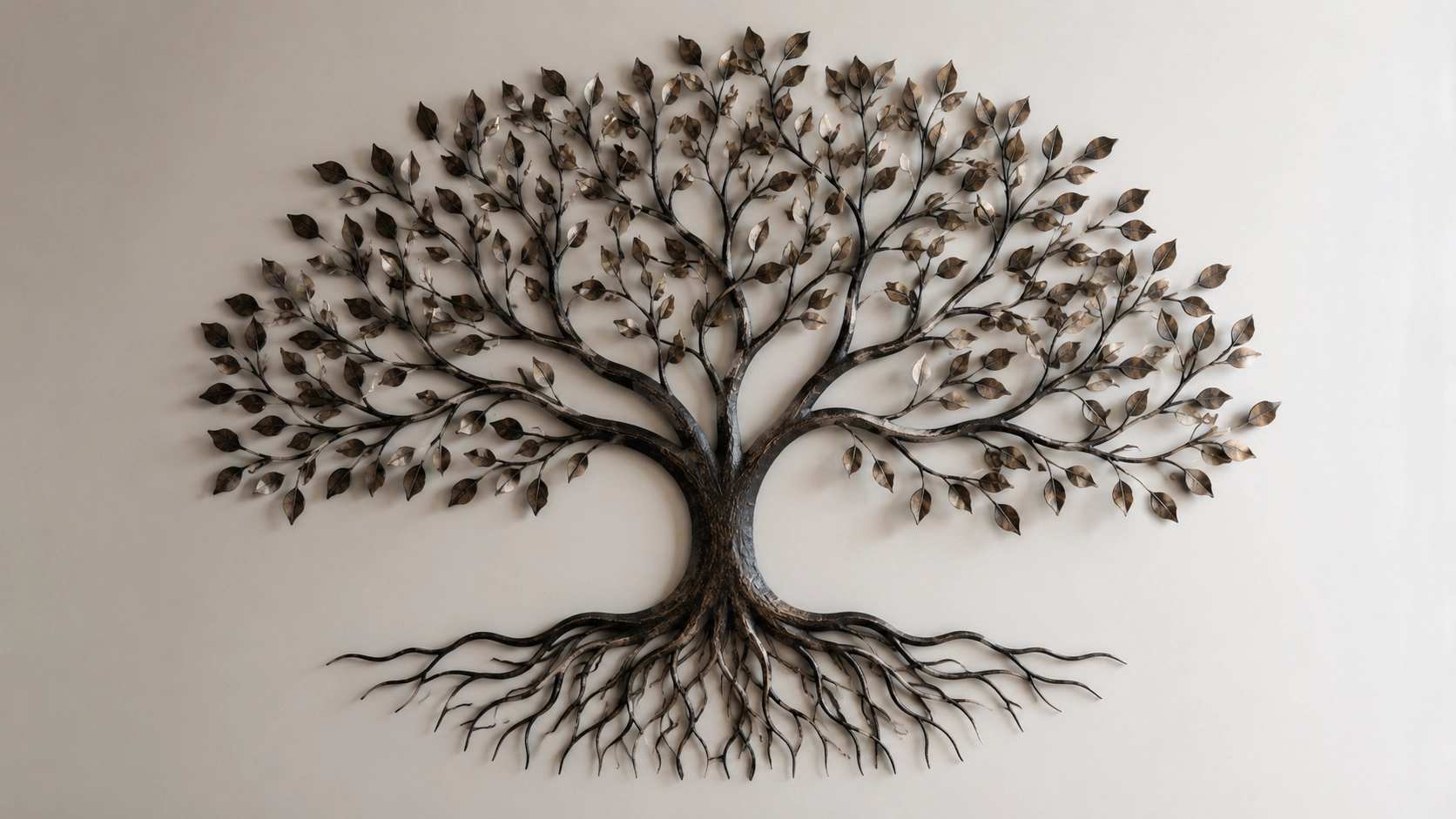
- Metal sculptures
- Wooden carvings
- 3D layered wall panels
- Minimalist line drawings
At its core, tree wall art represents:
- Growth and transformation
- Family roots and connection
- Stability and grounding energy
- Harmony between humans and nature
In modern European interiors, it is often used as a focal point wall feature, especially in living rooms and bedrooms.
Why Tree Wall Art is a Major Trend in Europe 2026
Across Europe, interior design trends are increasingly shaped by wellness, sustainability, and simplicity.
Key reasons for popularity:
- Biophilic Design Movement – bringing nature indoors
- Urban apartment living requiring visual softness
- Wellness-focused homes prioritizing calm environments
- Minimalist design culture in Nordic and German interiors
- Eco-conscious materials in modern décor production
In Scandinavian countries, tree wall art is often used to soften white interiors. In Mediterranean homes, it adds earthy warmth. The UK apartments, it becomes a stylish focal point in compact spaces.
Types of Tree Wall Art
Metal
- Strong, clean silhouette designs
- Often black, gold, or bronze
- Popular in German and UK modern homes
- Works best in living rooms and offices
Canvas
- Soft, painterly textures
- Ideal for bedrooms and cozy lounges
- Common in French and Italian interiors
Wooden
- Organic textures and earthy tones
- Highly used in Scandinavian homes
- Blends with rustic and eco interiors
3D
- Layered depth and shadow effects
- Creates luxury statement walls
- Popular in modern apartments across Europe
Minimalist Line Tree Art
- Black or white simple outlines
- Perfect for Scandinavian minimalism
- Works well in small apartments
How to Decorate with Tree Wall Art
Interior designers across Europe follow strict visual balance principles when placing wall art.
Placement Rules:
- Place on a main focal wall (sofa, bed, dining wall)
- Keep artwork centered at eye level
- Avoid placing on cluttered walls
Size Guidelines:
- Artwork should cover 60–75% of wall width
- Large walls require oversized designs
- Small walls need vertical or slim compositions
Lighting Strategy:
- Use warm ambient lighting
- Highlight metal textures with spotlights
- Avoid harsh overhead lighting
Styling Balance:
- Keep surrounding décor minimal
- Match tones with furniture palette
- Maintain visual breathing space
Material Comparison Table
| Material Type | Visual Style | Best Room | European Design Fit | Durability |
| Metal | Bold & modern | Living room, office | German, UK, Dutch interiors | High |
| Canvas | Soft & artistic | Bedroom, lounge | French, Italian homes | Medium |
| Wood | Natural & warm | Rustic spaces | Scandinavian, Nordic homes | High |
| 3D Panels | Luxury & depth | Feature walls | Modern EU apartments | Very High |
| Line Art | Minimal & clean | Small rooms | Scandinavian design | Medium |
Tree Wall Art by Room Type
Living Room
- Large metal or 3D designs
- Acts as a central focal point
- Works best above sofas
Bedroom
- Soft canvas or nature tones
- Promotes relaxation and calm energy
- Avoid overly bold designs
Home Office
- Minimalist tree designs
- Improves focus and mental clarity
- Popular in European remote work setups
Kids Room
- Colorful, playful tree themes
- Cartoon-inspired nature visuals
- Encourages creativity
Color Psychology
Colors influence mood strongly in interior spaces.
- Green tones → balance, healing, nature connection
- Black metal → elegance, structure, modernity
- White backgrounds → simplicity and calm
- Earth tones → warmth and stability
- Gold accents → luxury and sophistication
European designers often combine neutral walls + dark tree silhouettes for contrast.
Common Mistakes to Avoid
Choosing too small artwork for large walls
Overcrowding the wall space
Mixing multiple conflicting styles
Ignoring lighting effects
Poor centering or placement
A well-placed tree wall art piece should feel intentional—not decorative clutter.
Future Trends
Interior design evolution in Europe is pushing tree wall art into new directions:
- Eco-friendly recycled metal and wood materials
- Modular wall art systems (rearrangeable designs)
- Digital + AR-enhanced wall art experiences
- Integrated wall architecture with tree motifs
- Smart lighting reacting to wall art shapes
The future is highly immersive and sustainability-driven.
Pros & Cons
Pros:
- Strong visual focal point
- Works in multiple interior styles
- Symbolic and meaningful
- Available in budget and luxury options
- Enhances emotional atmosphere
Cons:
- Poor placement can reduce impact
- Large pieces may overwhelm small rooms
- Requires proper lighting for best effect
European Interior Styling Inspiration
Scandinavian Homes
- White walls + black minimalist tree art
- Natural wood furniture
French Apartments
- Elegant canvas tree paintings
- Soft beige and gold tones
German Minimalism
- Structured metal wall art
- Clean, functional layouts
Italian Luxury Interiors
- Artistic, detailed tree sculptures
- Warm, rich textures
UK Modern Flats
- Compact 3D tree wall designs
- Space-saving vertical compositions
People Also Ask
The best placement is usually the main focal wall, such as above a sofa or bed. This ensures the artwork becomes the central visual anchor of the room.
Yes, especially minimalist or line art designs. They create visual depth without overwhelming limited wall space in European apartments.
Metal and 3D wall art are most popular for modern interiors due to their clean, structured, and luxury appearance.
Yes, it symbolizes growth, strength, family roots, and connection with nature, making it both decorative and meaningful.
Conclusion
Tree Wall Art is more than just a decorative element—it is a powerful expression of nature, balance, and modern interior identity. Across Europe, it has become a central feature in homes that value simplicity, emotional comfort, and timeless design.
Whether you prefer minimalist line art in a Scandinavian apartment, luxurious metal designs in a modern German home, or soft canvas styles in a French interior, tree wall art adapts beautifully to every environment.
The key to mastering this style lies in thoughtful placement, correct sizing, and harmony with your interior theme. When used correctly, it transforms plain walls into meaningful visual experiences.