Introduction
White wall art has become one of the most influential design choices in modern European interiors, symbolizing calmness, clarity, and refined simplicity. In today’s fast-paced lifestyle, homeowners across Europe are turning toward minimal yet expressive décor that creates balance rather than visual noise. This is exactly where White Wall Art plays a powerful role.
From Scandinavian apartments in Denmark to luxury homes in Italy, white-toned wall décor is redefining how spaces feel and function. It blends effortlessly with natural light, enhances spatial perception, and creates a timeless aesthetic that never goes out of style.
Unlike colorful or overly complex artwork, white wall art focuses on texture, depth, and subtle expression. Whether it’s abstract canvas pieces, textured plaster designs, or minimalist line drawings, white wall décor brings elegance without overwhelming the room.
In this complete guide, we’ll explore styles, room-wise applications, European design influences, materials, placement strategies, and expert interior design principles to help you master the art of white wall styling in 2026.
Why White Wall Art Is Dominating Modern Interiors
White wall art is not just a trend—it is a design philosophy rooted in simplicity and emotional calmness.
Key Reasons for Its Popularity
- Enhances natural light in interiors
- Creates a spacious visual effect
- Works with all color palettes
- Supports minimalist and luxury aesthetics
- Fits both small European apartments and large villas
- Reduces visual clutter and stress
Across modern European homes, designers use white tones to create what is known as a “breathing wall effect”—walls that feel open, soft, and emotionally balanced.

Popular Types of White Wall Art Styles
Abstract
Abstract white art focuses on form, texture, and movement rather than defined imagery.
Features:
- Soft brush textures
- Layered paint effects
- Neutral tonal variations
Best For:
- Modern apartments in cities like Germany and Netherlands
- Living rooms with minimalist furniture
Textured White Canvas Art
Textured art adds physical depth using materials like plaster, sand, or fabric.
Why it stands out:
- Creates shadow play under lighting
- Adds luxury hotel-style aesthetics
- Perfect for high-end interiors
European Influence:
Popular in luxury homes across France and Switzerland where subtle elegance defines interior culture.
Minimalist Line Art
This style uses thin black, beige, or gold lines on white backgrounds.
Key Features:
- Clean compositions
- Scandinavian-inspired simplicity
- Emotional storytelling through lines
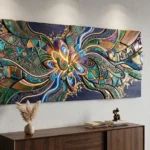
Oversized
Large-scale white artworks are a major 2026 trend.
Benefits:
- Creates a strong focal point
- Reduces need for multiple décor items
- Enhances luxury appeal
Best suited for spacious homes in the United Kingdom and modern villas in Spain.
Scandinavian White Wall Decor
Inspired by Nordic simplicity and functionality.
Design Traits:
- Soft neutral tones
- Nature-inspired minimalism
- Functional elegance
Common in homes across Sweden, Norway, and Denmark.
White Wall Art by Room
Living Room Styling
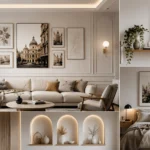
Living rooms are the most important space for white wall art.
Best Options:
- Oversized abstract white canvas
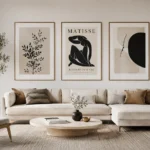
- Triptych (3-panel art sets)
- Textured wall sculptures
Expert Tip:
Place artwork 15–20 cm above the sofa for visual balance.
Bedroom Styling
White wall art in bedrooms should feel soft and calming.
Ideal Choices:
- Minimalist floral sketches
- Soft gradient abstract art
- Symmetrical placements
Lighting Tip:
Use warm LED lighting to enhance softness and relaxation.
Office / Workspace
White wall art improves focus and reduces distraction.
Recommended Styles:
- Geometric white compositions
- Monochrome minimalist prints
- Clean abstract lines
Kids Room
White-themed décor works surprisingly well for kids when softened.
Ideas:
- Cloud-inspired art
- Gentle animal outlines
- Soft pastel white blends
Size & Proportion Guide
Getting the size right is crucial for visual harmony.
| Wall Type | Recommended Size | Best Use |
| Small Wall | 24–36 inches | Hallways, compact rooms |
| Medium Wall | 36–60 inches | Bedrooms, offices |
| Large Wall | 60–90+ inches | Living rooms, open spaces |
Golden Rule:
Artwork should cover 60–75% of the furniture width beneath it.
Materials Used
Different materials create different emotional effects.
Popular Options:
- Canvas Prints: Most versatile and affordable
- Textured Plaster: Luxury European aesthetic
- Framed Prints: Clean and structured look
- Resin Art: Modern glossy finish
Trends in 2026
European interiors are shifting toward emotional minimalism.
Key Trends:
- Japandi fusion (Japanese + Scandinavian design)
- Soft matte textures
- Oversized statement pieces
- 3D layered white artwork
- Neutral luxury palettes
These trends are widely visible in urban apartments across Italy and Austria.
Minimalist vs Luxury
Minimalist Style
Clean visuals
Affordable options
Best for small spaces
Luxury Style
Textured materials
Large statement pieces
Premium European aesthetic
Comparison Table
| Feature | Minimalist | Luxury |
| Visual Impact | Soft | Bold |
| Cost | Low | High |
| Texture | Flat | Deep |
| Space Suitability | Small homes | Large interiors |

Expert Interior Design Tips
Wall Placement Rules
- Keep center of art at eye level
- Avoid overcrowding walls
- Maintain symmetry in bedrooms
Wall Color Psychology
White art works best with:
- Beige walls (warmth)
- Grey walls (modern balance)
- Soft pastel backgrounds (calmness)
Common Mistakes
- Hanging art too high
- Using too small pieces on large walls
- Over-decorating minimalist spaces
Buying & Styling Guide
When choosing white wall art:
- Match texture with room lighting
- Choose oversized art for large walls
- Keep designs minimal in small rooms
- Prefer canvas for flexibility
European Home Styling Influence
White wall art is deeply connected to European lifestyle design philosophies:
- Scandinavian simplicity from Finland
- French elegance from France
- German functional minimalism from Germany
- Mediterranean warmth from Greece and Portugal
Each region contributes a unique interpretation of white wall aesthetics.
People Also Ask
Yes, white wall art is ideal for small rooms because it reflects light and creates a larger visual feel. It prevents walls from looking heavy or crowded.
Neutral tones like beige, grey, and soft pastels work best. These colors enhance the calming effect of white artwork without overpowering it.
Absolutely. Textured pieces add depth and luxury appeal, making them a strong choice for long-term interior styling in modern homes.
Follow the 60–75% rule of furniture width. Larger walls need oversized art, while smaller walls work better with compact designs.
Minimalist abstract and Scandinavian-inspired designs are currently the most popular due to their simplicity and timeless appeal.
Conclusion
White Wall Art continues to redefine modern interior design by offering simplicity, elegance, and emotional calmness. From Scandinavian minimalism to luxury textured compositions, it adapts beautifully to every European lifestyle and home size.
Whether you’re designing a compact apartment or a spacious villa, the right can transform your environment into a peaceful and visually balanced space. The key lies in choosing the right size, texture, and placement strategy.
For more expert interior design insights, explore educational guides and inspirations on TheWallsArt.com to elevate your home aesthetics with confidence and creativity.