Introduction
Textured wall art is not something that looks nice on a wall. It is a way to add bottom and make your room feel more interesting. Unlike paintings or prints, feeling wall art looks different when the light hits it. This makes the room feel more exciting.
In Europe people who design homes are using wall art in lots of different styles. They use it in homes in Scandinavia and in fancy homes in the Mediterranean area and in old French homes.
This guide will tell you everything you need to know about feeling wall art in 2026. You will learn about the styles of feeling wall art and the materials used to make them. You will also learn how to place wall art in your room and how to make your own. The guide will also tell you what to think about when you’re buying wall art and what experts have to say about it. All of this will help you make your room feel special and nice.
What Is Textured Wall Art?
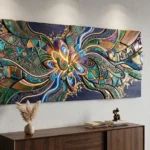
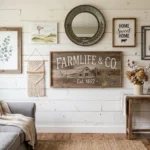
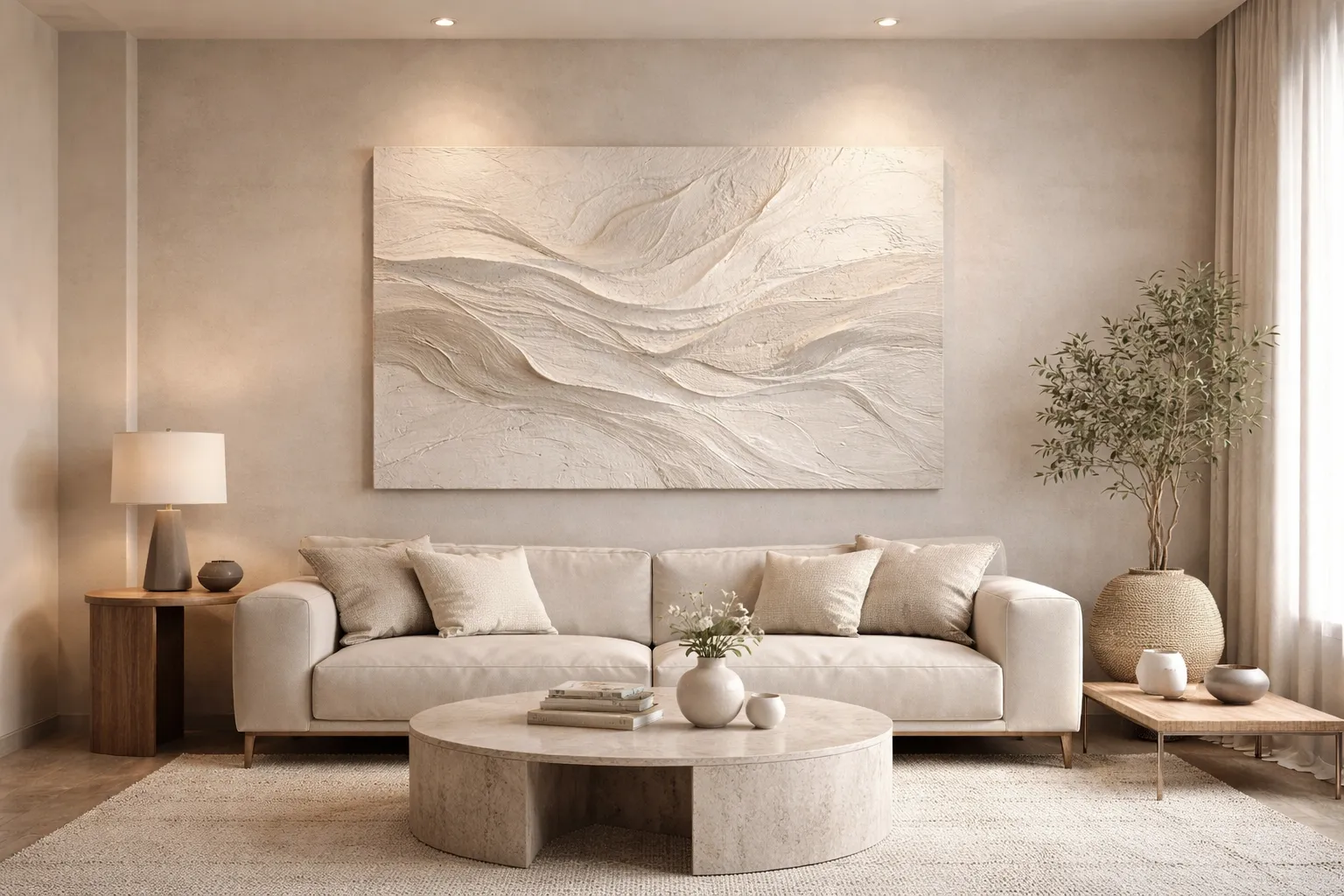
Textured wall art rings artworks with dimensional surfaces or elevated elements, producing optical and tactile incentive. Unlike traditional, flat canvases, feeling art reacts to light and mindset, evolving in display throughout the day. This dynamic give-and-take engages viewers in multi-sensory life, making rooms feel more alive and architecturally intentional.
Advantages of Textured Wall Art:
- Visual Depth: Shadows and climax shift naturally as light moves.
- Sensory Engagement: Invites touch and detailed review.
- Spatial Character: Acts as a lofty climax, fair any interior design.
Common Materials & European Style Influence
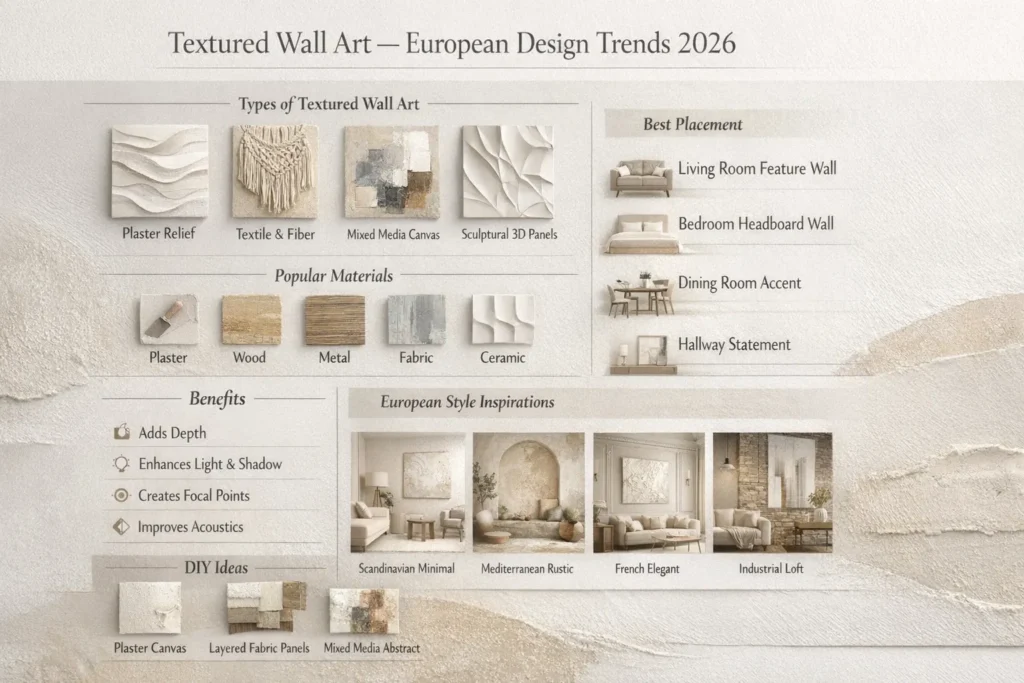
| Material | Description | European Style Influence |
| Canvas & Mixed Media | Thick paints, gesso, layered fabrics, or collaged elements | Modern Scandinavian & Minimalist |
| Wood & Metal | Sculptural carvings, industrial metal panels | Nordic & Industrial Loft |
| Plaster & Relief | Hand-troweled patterns, undulating motifs | Mediterranean & French Rustic |
| Fiber & Textile | Macramé, tufted fabrics, woven wall hangings | Bohemian & Nordic Cozy |
| Ceramics & Stone | Sculpted tiles, 3D wall applications | Italian & Spanish Modern |
Pro Tip: Harmonize the material with your room’s purpose and style. For instance, plaster or metal works beautifully in living areas, whereas textiles add warmth and intimacy in bedrooms.
Why Textured Wall Art Is Trending in European Interiors
European interior trends in 2026 more favor feeling wall art due to its multi-dimensional appeal:
- Adds Depth & Dimension: Large 3D artworks anchor rooms while developmental architectural detail.
- Creates Focal Points: Bold feeling naturally attracts the mind.
- Multi-Sensory Interaction: Shifting light transforms taste and mood.
- Versatility Across Styles: From Scandinavian minimal to French country purity, Italian luxury, or industrial lifesthetics.
Trend Insight: Modern owners seek artwork that blends optical beauty with palpable engagement — from Nordic netted panels to Mediterranean plaster reliefs.
CTA: Consider sourcing pieces from local European artisans to secure unique artworks that reflect your home’s sole style.
Types & Styles of Textured Wall Art
A. Sculptural & 3D Wall Art
- Materials: Wood carvings, metal sheets, brick tiles
- Use: Adds architectural layers; perfect for entryways, living rooms, or above sofas
- European Inspiration: Modern lofts in Berlin or elegant Parisian flats
B. Canvas & Mixed Media
- Materials: Layered paints,stuff, and found objects
- Style: Abstract, modern, often with conflicting colors or bold strokes
- European Inspiration: Scandinavian minimalism — neutral jewel and slight lifted feeling
C. Fiber & Textile Art
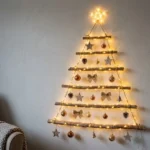
- Materials: Macramé, tufted panels, netted pie
- Benefits: Softens interiors, improves sound, adds to cozy esthetics
- European Inspiration: Nordic cozy homes, French hippie hall
D. Plaster & Relief Art
- Materials: Hand-troweled plaster, organic or geometrical patterns
- Benefits: Sophisticated,chic, monochrome charm
- European Inspiration: Italian or Spanish manor, simple French interiors
How Textured Wall Art Transforms Your Space
Displayed wall art alters notion,climate, and architectural weight:
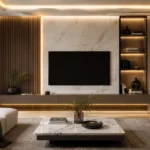
- Light & Shadow Cooperation: Directional lighting point up touch and adds drama
- Defines Zones: Large pieces anchor living areas, hallways, and bedrooms
- Balances Minimalism: Submit passion, contrast, and palpable interest in neutral zones
- Creates a Statement: A singular bold piece can redefine a blank wall
Pro Tip: Place textured wall art where natural or accent lighting grazes the surface, amplifying its depth and appeal.
How to Choose the Right Textured Wall Art
When selecting textured wall art, consider these critical factors:
| Factor | Considerations | Expert Tips |
| Purpose | Accent piece vs. main focal point | Oversized panels for focal points; smaller pieces for subtle accents |
| Style | Modern, rustic, industrial, bohemian | Match the artwork to your room’s European style |
| Scale | Room size, wall height | Large artwork suits living rooms; series of small pieces fits bedrooms |
| Material | Canvas, plaster, metal, fiber | Choose durable materials for high-traffic areas |
| Lighting | Natural & artificial | Spotlights or wall grazers maximize texture visibility |
Pro Advice: Neutral backgrounds paired with bold textures produce maximum visual impact in European-style interiors. Contrast remains the key element.
Top Design Ideas & Inspirations
Living Room
- Large plaster or metallic panels as dramatic focal points
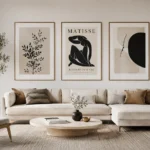
- Mixed-media abstract canvas series above the sofa
- Sculptural wall pieces combined with minimalist furniture
Bedroom
- Textile hangings or tufted fiber panels behind the bed
- Sculptural rune for lenitive minimal zones
- Macramé or netted pie to add to passion and hearing comfort
Dining & Office Spaces
- Subtle plaster or canvas reliefs for elegant sophistication
- Netted fiber panels for combined hearing and optical call
- Accompaniment art with minimal table, natural materials, and warm lighting
European Design Tip: Pairing feeling wall art with neutral gear and soft illumination uplift interiors while lasting a cozy, inviting climate.
DIY Textured Wall Art Projects
Creating DIY feeling wall art allows for customized colors,arrangement, and palpable bottoms.
Ideas for Beginners
- Covered Fabric Panels: Link goods, paints, and gummy to create abstract beauty
- Comfort Plaster on Canvas: Apply plaster or painting paste for 3D waves, then paint
- Mixed Media Collages: Unite wood slats, golden accents, and thick paint layers
Tips
- Test on small sections first
- Use neutral tones for elegance
- Build layers gradually to achieve depth
Pro DIY Insight: European interiors favor understated textures and muted palettes — less is often more.
Placement, Lighting & Maintenance Tips
Placement Tips
- Position above sofas, beds, or dining tables for central impact
- Use hallways to add visual intrigue
- Consider feature walls for large textured pieces
Lighting Tips
- Spotlights and wall grazers accentuate 3D surfaces
- Natural light add to help patterns throughout the day
Maintenance
- Dust usually using microfiber cloths or soft coated
- Shun harsh soap for delicate top like plaster or goods
Where to Buy or Commission Textured Wall Art
European Options
- Builder markets in Paris, Milan, Berlin
- Online stores such as Etsy
- Agency custom works from local artists for one-of-a-kind pieces
Pro Advice: Register pieces with return or customization options, notably for large or prime artworks.
Pros & Cons of Textured Wall Art
Pros
- Adds spatial depth, dimension, and sophistication
- Enhances sensory engagement
- Complements multiple interior aesthetics
- Serves as a strong visual centerpiece
Cons
- Requires careful upkeep
- Needs strategic lighting
- Certain materials may be fragile or heavy
FAQs
A:Really, but prefer for smaller, slight pieces to shun optical clutter.
A: Fiber pieces are less ideal; plaster, metal, or studied canvas is preferred.
A: Yes, small canvas projects in neutral tones are ideal starting points.
A: Keep a token table, repeat natural lighting, and balance colors to climax touch.
A: Yes, fiber and fiber panels take in sound and cut reflection completely.
Conclusion
Textured wall art remains a timeless interior enhancement across European-inspired homes. From Mediterranean plaster spirit to Nordic grain drooping, palpable artworks open bottom,self, and tact into anyone.
Key Takeaways:
- Match scale, material, and design style with room functionality
- Strategically use lighting to boost feeling and optical interest
- Explore DIY projects for customized , unique designs
- Aid neutral walls with bold, feeling accents for maximum grace
Collection feeling wall art transforms normal walls into striking focal points, linking optical charm, palpable pact, and architectural sophistication — a vital action for any new European condo.