Introduction
Woven Wall Art has become one of the most influential interior design trends of 2026. As homes move away from cold minimalism and toward warmer, more tactile spaces, woven textures are redefining modern interiors across Europe and beyond. From Scandinavian apartments in Stockholm to earthy Mediterranean homes in Spain, woven wall décor now represents comfort, craftsmanship, and emotional warmth.
Unlike flat prints or generic décor, woven wall art introduces dimension, softness, and movement into a room. It creates visual balance while adding a handcrafted quality that feels deeply personal and timeless. This growing shift toward texture-forward interiors is closely connected to larger lifestyle movements such as organic modernism, biophilic design, sustainable living, and Japandi aesthetics.
Today’s woven wall hanging styles are more refined than the overly bohemian trends of the past. Contemporary textile art now embraces neutral palettes, architectural forms, sculptural weaving, and minimalist compositions that fit beautifully into modern European interiors.
Whether you prefer Scandinavian simplicity, Mediterranean warmth, or modern luxury décor, woven wall art offers a sophisticated way to transform your living space with texture, depth, and character.
What Is Woven Wall Art?
Woven wall art refers to decorative textile pieces created using weaving techniques, fibers, yarns, wool, cotton, linen, jute, or mixed materials. These artworks are designed specifically for wall display and can range from minimalist woven panels to large sculptural textile installations.
Unlike traditional framed artwork, woven wall décor emphasizes texture and tactile appeal. The layered fibers create softness, visual movement, and natural warmth that printed art often cannot achieve.
The History of Textile Wall Décor
Textile wall art has existed for centuries across many cultures. Ancient woven tapestries were once used in European castles for insulation, storytelling, and decoration. Scandinavian weaving traditions focused on simplicity and craftsmanship, while Mediterranean cultures used natural fibers and earthy textures in homes for both practicality and beauty.
Modern woven wall art combines these historical influences with contemporary design principles, creating pieces that feel artistic yet calming.
Difference Between Macrame, Tapestry, and Fiber Art
| Style | Main Characteristics | Best For |
| Macrame | Knot-based textile patterns | Boho and relaxed interiors |
| Tapestry | Flat woven storytelling textiles | Traditional and vintage spaces |
| Fiber Art | Artistic mixed-material textile work | Contemporary and gallery-style interiors |
| Woven Wall Art | Textured layered weaving | Modern, Japandi, and Scandinavian homes |
Why Woven Wall Art Is Trending in 2026
The popularity of woven wall art is closely tied to changing interior design priorities. People now want homes that feel emotionally comforting rather than visually sterile.
The Rise of Tactile Luxury
Modern luxury no longer means glossy finishes and excessive decoration. In 2026, luxury is about texture, softness, authenticity, and craftsmanship. Woven textiles instantly make interiors feel more welcoming and layered.
This concept is especially visible in German minimalist homes and Nordic-inspired interiors where natural materials dominate the design language.
Warm Minimalism Is Replacing Cold Minimalism
Minimalist interiors once relied heavily on white walls, metal accents, and clean surfaces. While visually elegant, many spaces began feeling emotionally empty.
Woven wall art introduces warmth without creating clutter. Neutral fibers, soft wool textures, and handmade details help minimalist interiors feel calm and lived-in.
Biophilic Design and Natural Materials
Biophilic design focuses on strengthening the connection between people and nature. Woven textile art supports this trend by incorporating:
- Natural fibers
- Organic textures
- Earth-inspired colors
- Handcrafted aesthetics
- Sustainable materials
These features help interiors feel grounded and restorative.
Acoustic Softness in Modern Homes
Many modern apartments feature hard surfaces like concrete, glass, and stone. Woven wall décor helps soften acoustics by reducing echo and creating a more comfortable atmosphere.
This is particularly useful in:
- Open-plan apartments
- Home offices
- Scandinavian-style interiors
- Minimalist living rooms
Best Types of Woven Wall Art
Macrame Wall Hangings
Macrame remains popular, but modern versions are far more refined than earlier boho trends. Contemporary macrame focuses on symmetry, neutral tones, and elegant structure.
Best suited for:
- Bohemian interiors
- Coastal homes
- Relaxed bedrooms
- Mediterranean-inspired spaces
Wool Woven Art
Wool textiles provide warmth and luxury. Thick wool weaving creates depth and softness that works beautifully in colder European climates.
Ideal for:
- Scandinavian interiors
- Chalet-style homes
- Cozy reading corners
- Winter-inspired décor
Neutral Textile Panels
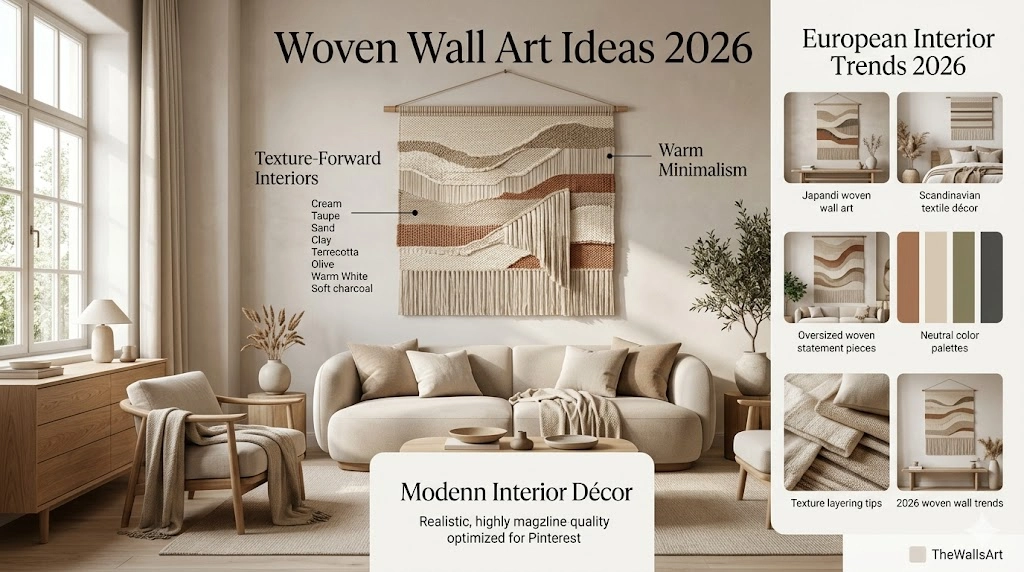
Neutral woven panels are dominating contemporary interior trends. Cream, taupe, sand, and clay tones create calming environments while maintaining sophistication.
Popular in:
- Japandi interiors
- Minimalist apartments
- Modern luxury homes
- Organic modern spaces
Scandinavian Woven Décor
Scandinavian woven art emphasizes simplicity, balance, and functionality. Expect muted palettes, geometric textures, and understated elegance.
Common materials include:
- Linen
- Wool
- Cotton
- Natural wood accents
Japandi Fiber Art
Japandi design blends Japanese minimalism with Scandinavian warmth. Woven wall art perfectly supports this aesthetic through:
- Asymmetry
- Raw textures
- Soft neutrals
- Handmade imperfection
- Wabi-sabi influence
Oversized Woven Statement Pieces
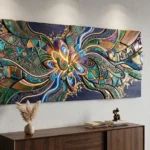
Large woven wall art is one of the biggest trends of 2026. Oversized textile installations create dramatic focal points while maintaining softness.
They work especially well:
- Above sofas
- Behind beds
- In double-height spaces
- In luxury apartments
Best Rooms for Woven Wall Art
Living Room Woven Wall Art Ideas
The living room is the ideal space for woven wall décor because it benefits most from visual softness and layered texture.
Placement Tips
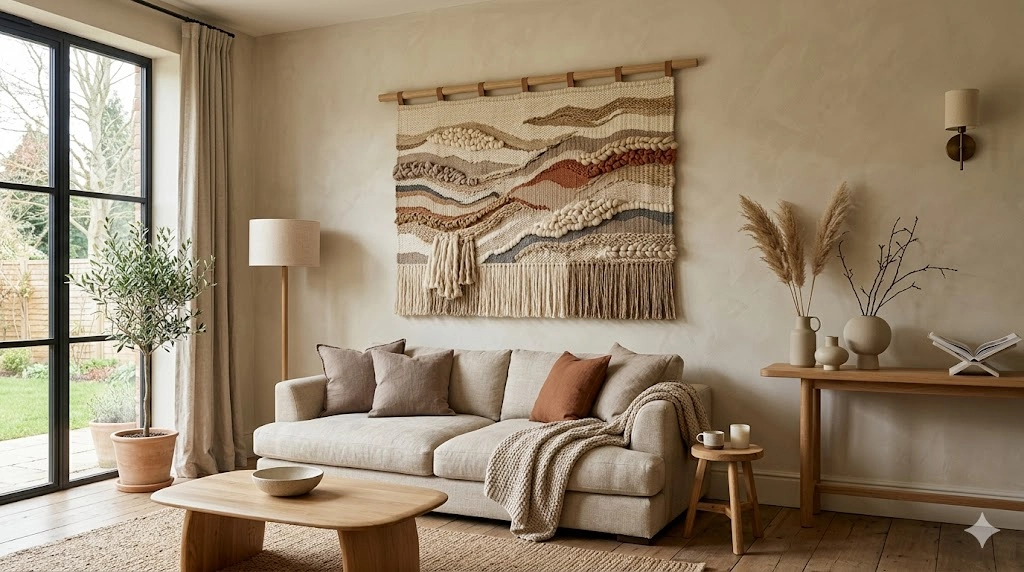
The most popular placement is above the sofa. The artwork should generally cover around two-thirds of the sofa width for balanced proportions.
Styling Ideas
Combine woven wall art with:
- Oak wood furniture
- Linen curtains
- Plaster walls
- Travertine accents
- Neutral rugs
Expert Tip
In smaller European apartments, choose one oversized woven piece rather than multiple small decorations. This creates visual calm instead of clutter.
Bedroom Woven Wall Hanging Ideas
Bedrooms benefit enormously from textile textures because woven fibers naturally create a calming atmosphere.
Best locations include:
- Above the headboard
- Beside reading corners
- Across empty accent walls
Soft woven textures pair beautifully with:
- Cream bedding
- Warm lighting
- Natural wood furniture
- Layered textiles
Dining Room Textile Wall Décor
Dining spaces often feel cold because of hard surfaces like tables, tiles, and glass. Woven wall art balances these materials by introducing warmth and acoustic softness.
Earth-toned woven décor works especially well in Mediterranean and rustic-modern interiors.
Hallway Woven Wall Art
Hallways are ideal for vertical woven pieces that guide the eye and create movement through narrow spaces.
Use:
- Tall textile panels
- Geometric weaving
- Neutral monochrome textures
This approach is common in contemporary European apartment design.
Home Office Woven Décor
Remote work has transformed home offices into emotional spaces rather than purely functional rooms.
Woven wall art helps reduce visual harshness while creating a more focused and calming work environment.
Best styles include:
- Minimalist woven art
- Neutral palettes
- Geometric textile panels
- Scandinavian-inspired pieces
How to Style Woven Wall Art Like a Designer
Use Texture Layering Carefully
One of the biggest mistakes homeowners make is over-layering textures. Woven wall décor should complement surrounding materials rather than compete with them.
Balance woven textiles with:
- Smooth plaster
- Natural wood
- Stone surfaces
- Matte ceramics
- Linen fabrics
Understand Scale and Proportion
Large empty walls require oversized woven pieces. Tiny artwork on expansive walls creates imbalance and weakens visual impact.
General Size Guide
| Wall Size | Recommended Art Size |
| Small Wall | 40–60 cm |
| Medium Wall | 70–100 cm |
| Large Wall | 120–180 cm |
| Statement Wall | Oversized installation |
Create Color Harmony
Neutral woven art works best when repeated subtly throughout the room.
For example:
- Sand textiles
- Cream upholstery
- Oak wood tones
- Taupe cushions
This creates cohesion without overwhelming the space.
Mix Modern and Handmade Elements
Contemporary interiors often feel too perfect. Handmade woven textures introduce character and authenticity.
This contrast is essential in:
- German minimalist interiors
- Scandinavian apartments
- Luxury modern homes
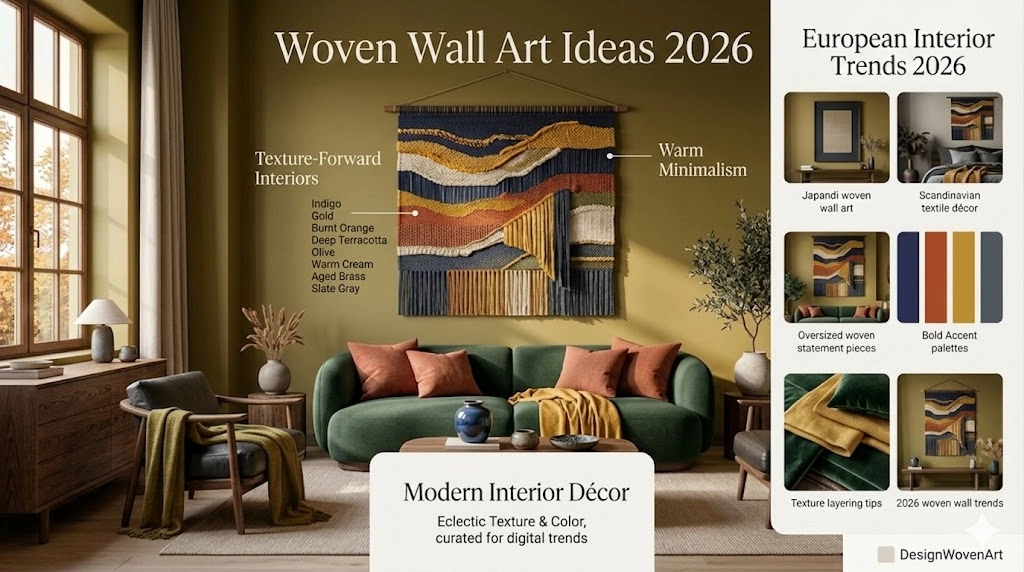
Best Colors for Woven Wall Art in 2026
Color psychology plays a major role in textile décor trends.
Terracotta
Warm and earthy, terracotta creates Mediterranean warmth and emotional richness.
Sand and Beige
These timeless neutrals work beautifully in Scandinavian and Japandi interiors.
Olive Green
Olive tones connect interiors to nature while maintaining sophistication.
Clay and Taupe
These muted earthy shades dominate modern European interiors because they feel calming and elegant.
Charcoal and Mushroom
Darker woven accents create depth in minimalist spaces without feeling harsh.
Woven Wall Art Styles
Boho Woven Décor
Modern boho interiors now favor cleaner compositions and muted palettes instead of excessive color and fringe.
Scandinavian Style
Scandinavian woven wall art focuses on:
- Simplicity
- Natural fibers
- Functional beauty
- Minimal color palettes
Japandi Interiors
Japandi weaving embraces imperfection and natural harmony.
Key elements include:
- Raw textures
- Organic asymmetry
- Handmade appearance
- Calm neutral tones
Organic Modern Style
Organic modern interiors combine contemporary architecture with natural materials.
Woven wall art softens:
- Concrete walls
- Minimalist furniture
- Architectural lighting
Mediterranean Interiors
Mediterranean woven décor uses earthy colors and tactile materials inspired by coastal European living.
Large Woven Wall Art Ideas
Oversized textile art is becoming increasingly popular in luxury interiors and boutique hotels.
Why Large Woven Art Works
Large pieces:
- Create dramatic focal points
- Add architectural softness
- Improve acoustic comfort
- Fill vertical space elegantly
Best Spaces for Oversized Textile Art
Ideal locations include:
- Double-height living rooms
- Loft apartments
- Staircase walls
- Open-plan interiors
European Luxury Trend
Many contemporary European designers now treat woven wall art as functional sculpture rather than simple decoration.
This shift toward gallery-style textile installations is especially visible in:
- Scandinavian boutique hotels
- Italian luxury apartments
- Modern Parisian interiors
DIY Woven Wall Art Ideas
DIY textile projects are increasingly popular because they combine creativity with sustainable decorating.
Beginner-Friendly Weaving Projects
Easy ideas include:
- Driftwood weaving
- Minimalist wool hangings
- Circular fiber art
- Neutral wall tapestries
Sustainable Textile Art
Eco-conscious interiors often use:
- Recycled cotton
- Natural wool
- Vintage fabrics
- Organic fibers
This supports sustainable living while adding personal character.
Minimalist DIY Woven Art
Simple monochrome weaving can look incredibly sophisticated in modern homes.
Focus on:
- Texture variation
- Clean composition
- Neutral tones
- Balanced symmetry
How to Choose the Right Woven Wall Art
Consider Wall Size
Artwork should feel proportional to surrounding furniture and architecture.
Analyze Lighting Conditions
Natural daylight enhances textile textures beautifully. In darker rooms, choose lighter woven tones to maintain visual brightness.
Think About Texture Depth
Highly textured weaving works best in minimalist spaces because it becomes the focal point.
Match the Interior Style
| Interior Style | Best Woven Art Style |
| Japandi | Neutral asymmetrical weaving |
| Scandinavian | Minimal geometric textures |
| Boho | Soft layered macrame |
| Organic Modern | Sculptural textile panels |
| Rustic Modern | Thick wool weaving |
Common Mistakes to Avoid
Hanging Artwork Too High
Woven wall art should visually connect to nearby furniture rather than float awkwardly above it.
Choosing Pieces That Are Too Small
Tiny textile art often disappears visually on modern walls.
Overusing Texture
Too many textured materials can create visual chaos instead of balance.
Ignoring Color Cohesion
Even neutral woven art should relate to surrounding materials and furniture tones.
Mixing Conflicting Styles
Ultra-modern interiors may clash with overly rustic or colorful weaving styles.
2026 Woven Wall Art Trends
Architectural Weaving
Structured textile forms inspired by architecture are becoming highly popular.
Sculptural Textile Panels
Three-dimensional woven art adds movement and shadow play to walls.
Tonal Neutral Interiors
Monochrome woven pieces in cream, taupe, and sand are replacing colorful bohemian designs.
Asymmetrical Weaving
Imperfect compositions create organic visual movement aligned with wabi-sabi aesthetics.
Natural Fiber Luxury
Luxury interiors increasingly prioritize authenticity and craftsmanship over glossy perfection.
Oversized Installations
Large-scale woven art is now viewed as statement architecture within interiors.
Pros and Cons of Woven Wall Art
| Pros | Cons |
| Adds warmth and texture | Requires occasional dusting |
| Improves acoustic softness | Some fibers can fade in direct sunlight |
| Works with many styles | Handmade pieces may cost more |
| Creates calming atmosphere | Oversized pieces need proper installation |
| Supports sustainable aesthetics | Delicate textiles require care |
Budget vs Luxury Woven Wall Décor
Budget-Friendly Styling Ideas
Affordable woven décor can still look sophisticated when styled thoughtfully.
Tips include:
- Use one statement piece
- Stick to neutral colors
- Combine with natural textures
- Avoid overly trendy designs
Luxury Textile Styling
Luxury woven interiors often feature:
- Handcrafted artistry
- Sculptural forms
- Premium wool and linen
- Oversized custom installations
Italian and French luxury interiors increasingly use woven wall art as gallery-level design elements.
Maintenance and Durability Tips
Proper care helps woven wall décor remain beautiful for years.
Cleaning Tips
- Dust regularly with a soft brush
- Avoid direct moisture
- Use low-suction vacuum attachments carefully
- Keep away from intense sunlight
Long-Term Preservation
Natural fibers last longer when interiors maintain stable humidity and moderate temperatures.
This is especially important in humid coastal climates or extremely dry indoor heating conditions.
People Also Ask About Woven Wall Art
Absolutely. Woven wall art is actually becoming more refined and sophisticated in 2026. Modern interiors increasingly prioritize texture, natural materials, and handcrafted aesthetics over flat decorative surfaces.
Woven wall art works beautifully in Japandi, Scandinavian, organic modern, Mediterranean, and minimalist interiors. Neutral woven textures are especially versatile.
Traditional rainbow-colored macrame trends have faded, but contemporary neutral macrame remains highly relevant. Structured and minimalist designs are particularly popular.
The best placements include above sofas, behind beds, in hallways, and within home offices. Oversized pieces work best on large empty walls.
Final Thoughts
Woven Wall Art is far more than a passing interior trend. It reflects a broader movement toward emotional design, tactile living, and meaningful craftsmanship. In a world increasingly dominated by digital experiences and polished surfaces, woven textiles bring authenticity, softness, and warmth back into the home.
From Scandinavian simplicity to Mediterranean warmth and Japandi minimalism, woven wall décor adapts beautifully to modern European interiors while remaining timeless and versatile. Its ability to combine texture, artistry, and calmness makes it one of the most powerful design elements of 2026.
Whether you choose a minimalist textile panel, a sculptural woven installation, or a handcrafted wool tapestry, the key is thoughtful styling and balance. Focus on texture harmony, natural materials, and emotional comfort rather than short-term trends.
For more expert wall décor inspiration, modern styling ideas, and European interior trends, explore additional guides on TheWallsArt.com and continue building a home that feels both beautiful and deeply personal.