Introduction
In 2026, Car Wall Art has evolved far beyond simple wall decoration or garage embellishment. It is no longer viewed as casual visual filling or decorative afterthought. Instead, it has become a strategic interior design component used in modern European homes, premium apartments, creative studios, and high-end office environments.
Across Europe—especially in countries like Germany, Italy, the Netherlands, Sweden, and Denmark—automotive-inspired wall aesthetics are now part of a broader design evolution that merges:
- Engineering-inspired visual beauty
- Minimalist spatial design logic
- Emotional storytelling through imagery
- Industrial and architectural aesthetics
- Personal identity expression through interiors
However, there is a major gap in most online content:
Most websites only display what car wall art looks like
They fail to explain how to design with it strategically
This guide fills that missing gap by introducing a complete European Car Wall Art Design System, including:
- Placement logic and spatial rules
- Psychological impact of automotive visuals
- Material classification and selection strategy
- Room-based interior styling systems
- Professional designer methodologies
- Common design mistakes and corrections
- Future evolution trends (2026–2030)
Let’s go deeper into the system.
What Is Car Wall Art?
Car Wall Art refers to any artistic, visual, or conceptual representation of automobiles used intentionally within interior spaces to enhance aesthetics, identity, and emotional atmosphere.
But in modern design theory, it is far more than decoration.
It functions as:
- A visual identity anchor
- A storytelling medium within architecture
- A spatial composition tool for balance
- A psychological mood-shaping element
Expanded Forms of Car Wall Art
Modern Car Wall Art appears in multiple refined formats:
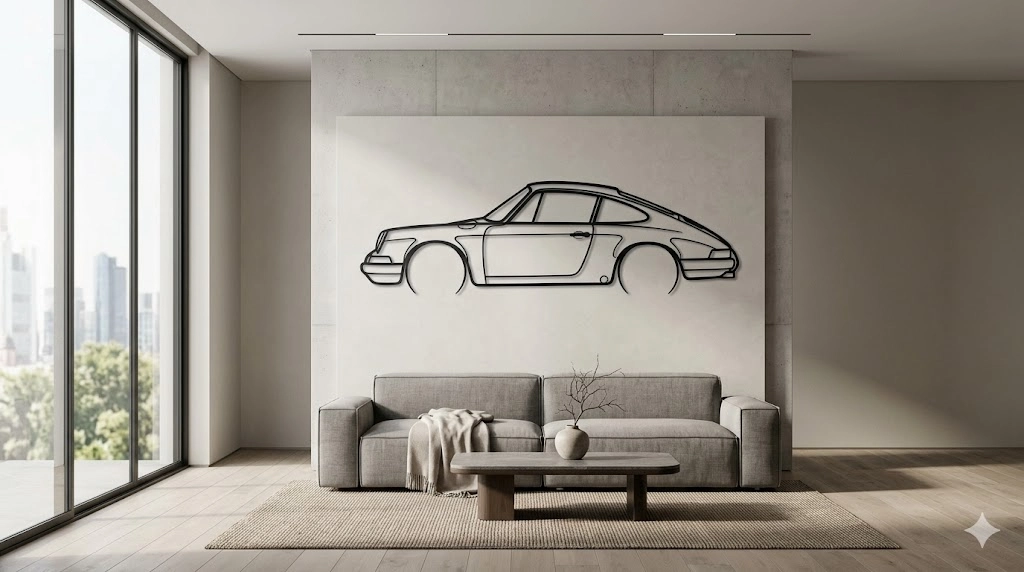
- Minimalist metal car silhouettes with geometric precision
- High-resolution automotive posters and conceptual prints
- Technical blueprint drawings of engines and vehicles
- Sculptural 3D automotive wall installations
- LED-integrated illuminated frame designs
- Vintage motorsport and racing heritage visuals
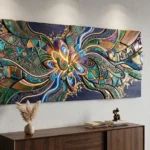
- Abstract interpretations of speed and motion
Each type communicates a different emotional and spatial language.
European Design Perspective
In European interiors, especially within Scandinavian and German design systems, Car Wall Art is not treated as random decoration. Instead, it is integrated as:
- A structured focal point within composition
- A controlled visual hierarchy element
- A minimalist architectural extension of the room
Rather than saying:
“Put car art on walls”
European designers approach it as:
“Integrate automotive identity into spatial storytelling”
This shift is what transforms basic décor into luxury interior language.
Psychology of Car Wall Art
To properly understand Car Wall Art, we must examine its psychological impact on human perception and emotion.
Symbolism of Motion, Success & Progress
Automobiles naturally represent:
- Forward movement
- Personal achievement
- Ambition and success orientation
- Freedom and independence
This is why automotive visuals are often used in offices, startups, and creative studios.
Engineering Aesthetic Appeal
European design culture highly values:
- Mechanical precision
- Structural clarity
- Functional beauty
- Clean geometric forms
Car visuals reflect engineered perfection, making them visually satisfying in minimalist interiors.
Competitive and Performance Energy
Racing-inspired visuals trigger psychological responses such as:
- Motivation enhancement
- Performance mindset activation
- Goal-oriented thinking
- Competitive drive stimulation
This makes them ideal for workspaces and gyms.
Nostalgia and Emotional Memory
Vintage car visuals activate:
- Historical connection
- Emotional familiarity
- Cultural identity
- Craftsmanship appreciation
This emotional depth increases spatial warmth.
European Car Wall Art Design System
European interior design is not random—it follows structured principles rooted in balance, proportion, and visual discipline.
Minimalism with Intentional Meaning
Every wall must communicate a purpose.
No unnecessary clutter
No random layering of visuals
Every artwork must have spatial justification
Negative Space as a Design Asset
Empty wall space is not absence—it is controlled luxury breathing room.
Rule: Space = elegance + clarity
Material Authenticity Principle
Preferred materials include:
- Brushed metal
- Industrial steel
- Matte finish surfaces
- Neutral natural tones
Authenticity increases perceived value.
Architectural Integration Principle
Car Wall Art should feel:
Embedded into the space
Not randomly attached
Harmonized with structure
Car Wall Art Placement System
Professional interior designers follow strict placement logic rather than aesthetic guessing.
Placement Strategy Table
| Room Type | Best Style | Size Rule | Design Purpose |
| Living Room | Minimal automotive silhouette | Large single focal piece | Luxury identity |
| Garage | Multi-piece automotive collection | Medium grouped layout | Functional identity |
| Office | Blueprint / technical drawings | Centered medium scale | Focus & productivity |
| Bedroom | Soft vintage automotive art | Small subtle pieces | Emotional calm |
| Studio | Industrial metal compositions | Flexible arrangement | Creative expression |
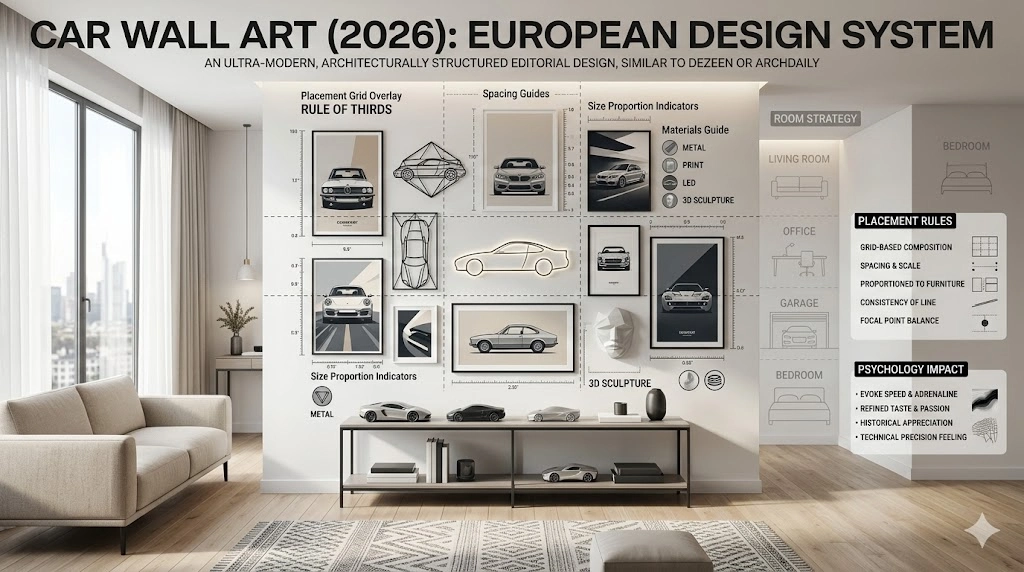
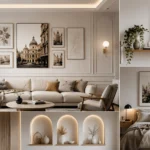
Living Room Strategy
Living rooms demand refinement and visual restraint.
Only one dominant automotive art piece
Neutral tones such as black, white, grey
Minimal detailing preferred
Avoid aggressive racing imagery
Goal: Sophisticated luxury atmosphere
Garage Wall Strategy
Garages allow expressive freedom.
Gallery-style multi-piece layout
Mixed posters and metal installations
Strong symmetrical balance
LED lighting enhancements
Goal: Functional automotive personality space
Office Strategy
Car Wall Art enhances productivity when used correctly.
Use technical blueprints or schematic visuals
Maintain monochrome or muted tones
Position behind desk or focus wall
Goal: Mental clarity + performance mindset
Bedroom Strategy
Bedrooms require psychological softness.
Use vintage automotive themes
Warm muted tones (beige, sepia, grey)
Keep visuals minimal and small-scale
Goal: Emotional relaxation and stability
Materials in Car Wall Art Design
Material selection defines visual impact and luxury perception.
Metal Wall Art
- Industrial aesthetic strength
- High durability and longevity
- Strong European popularity
Printed Posters
- Flexible styling options
- Affordable entry point
- Easy seasonal updates
3D Sculptural Art
- Premium luxury positioning
- Strong shadow interaction
- High-end interior appeal
LED Integrated Art
- Futuristic aesthetic language
- Gaming and studio applications
- Technology-driven design feel
Professional Styling Rules System
Size Proportion System
- Large wall → 60–70% visual coverage
- Medium wall → 1–2 balanced elements
- Small wall → single minimal piece
Spacing Formula
Maintain 15–25% negative space
Avoid full wall saturation
Let visuals breathe naturally
Color Harmony Logic
- Black + steel → industrial luxury
- White + grey → Scandinavian minimalism
- Red accents → performance energy highlights
Common Car Wall Art Mistakes
Many interiors fail due to avoidable errors:
Overloading walls with too many visuals
Mixing incompatible styles (vintage + futuristic)
Poor lighting placement
Incorrect height alignment
Low-quality printed material usage
These issues destroy spatial harmony instantly.
Future of Car Wall Art
The evolution of Car Wall Art is shifting toward digital intelligence and interactivity.
Emerging trends include:
- AI-generated automotive visual art
- Interactive LED dynamic wall systems
- Motion-responsive frame technology
- Personalized vehicle identity storytelling walls
- Fully digital automotive experience environments
The future is not static decoration—it is interactive design intelligence
Pros & Cons
Advantages
- Strong personal identity expression
- Compatible with modern European interiors
- Highly customizable design language
- Supports minimalism and industrial aesthetics
- Easy to evolve and upgrade
Limitations
- Can become visually repetitive if overused
- Requires correct spatial understanding
- Low-quality prints reduce luxury feel
- Not suitable for all interior styles
Comparison Overview
| Type | Style Impact | Best Use | Strength |
| Metal Art | Industrial | Offices, garages | Very high |
| Posters | Flexible | Living rooms | Medium |
| 3D Sculptures | Luxury | Premium interiors | Very high |
| LED Art | Futuristic | Studios, gaming rooms | High |
FAQs
No. It is now widely used in living rooms, offices, and creative studios.
Minimal black metal or monochrome automotive prints work best.
Yes, especially sculptural and abstract automotive designs.
Metal-based wall art dominates modern European interior trends.
Typically one main focal piece or a balanced set of two to three items.
Conclusion
Car Wall Art in 2026 is no longer decoration—it is a structured European interior design language system.
When applied correctly, it becomes:
- A personality expression framework
- A luxury interior enhancement tool
- A spatial balance and harmony system
- A storytelling mechanism within architecture
The future of interior design is shifting from random decoration to:
Design intelligence + emotional spatial architecture