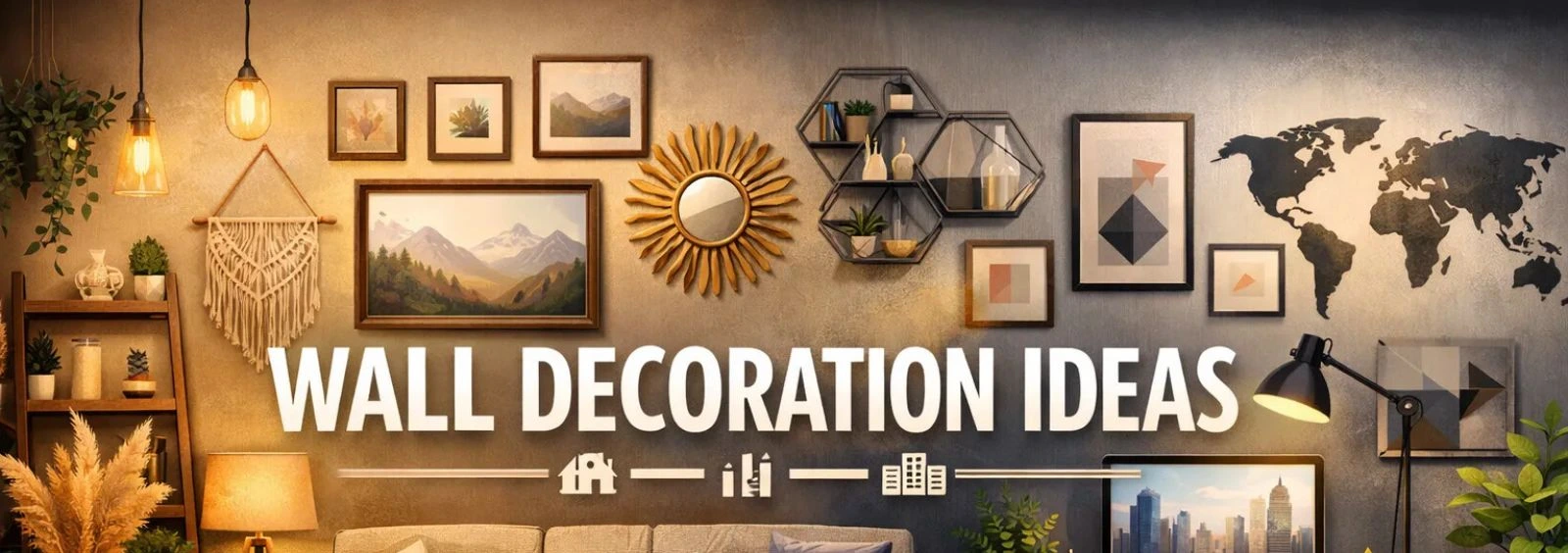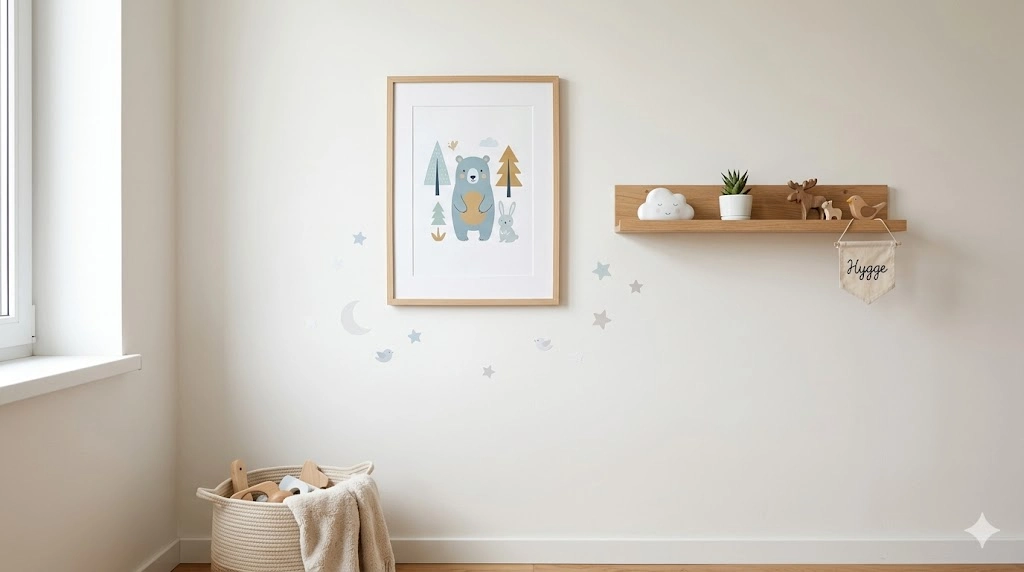
Introduction
Designing Kids Wall Decor is not just about decorating empty walls—it’s about shaping a child’s world. A well-designed wall can inspire imagination, improve learning ability, and create emotional comfort that grows with the child over time.
Across Europe, especially in countries like Sweden, Germany, and Netherlands, interior designers focus heavily on combining aesthetics with psychology. Children’s rooms are no longer just colorful spaces—they are carefully planned environments that support development, creativity, and calmness.
Modern kids’ interiors now follow principles of Montessori learning, Scandinavian simplicity, and nature-inspired storytelling. Instead of cluttered walls filled with random characters, today’s approach focuses on intentional design—where every element has meaning, function, and emotional value.
In this guide, you’ll discover 200+ ideas, expert insights, and European-inspired strategies to design kids’ walls that are beautiful, functional, and future-proof.
Why Kids Wall Decor Matters for Child Development
Interior design for children goes far beyond aesthetics. Walls are the first visual environment a child interacts with daily, and they directly influence cognitive and emotional growth.
Key Developmental Benefits:
- Enhances visual learning and memory retention
- Supports emotional stability and calm behavior
- Encourages creativity and imagination
- Builds early recognition of shapes, letters, and colors
- Improves spatial awareness
Psychological Insight
Soft tones and structured visuals reduce overstimulation, while interactive elements stimulate curiosity. This balance is a core principle in Montessori environments and Scandinavian nurseries.
For example, in Nordic countries like Norway, designers often avoid overly bright cartoon-heavy walls and instead use natural textures, muted palettes, and animal-themed illustrations.
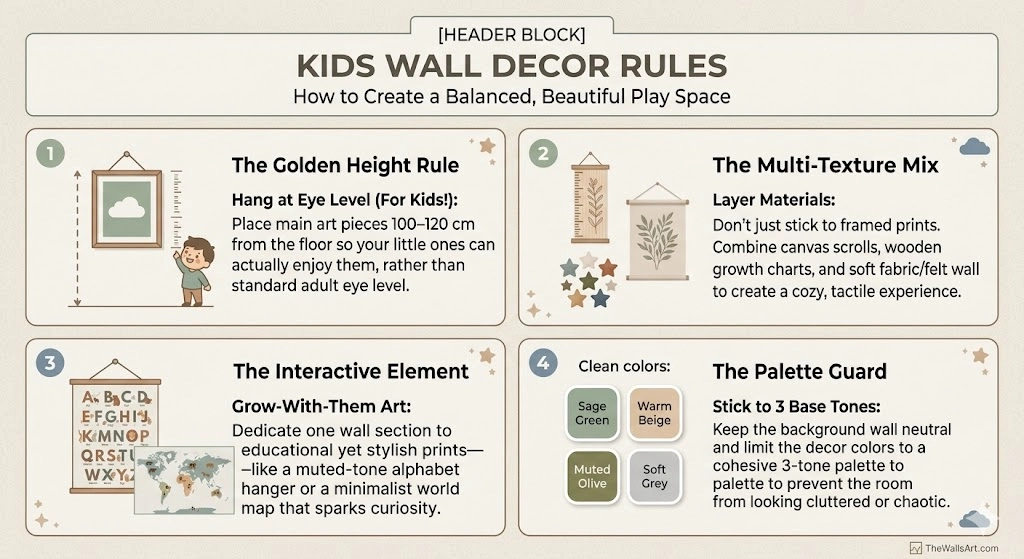
Modern Kids Wall Decor Trends in Europe
European interior design is shaping global kids’ room aesthetics. Let’s explore the strongest trends influencing modern homes.
Scandinavian Minimalist Kids Rooms
- Soft whites, beige, and pastel tones
- Wooden textures and natural materials
- Simple line-art illustrations
- Functional wall storage integration
Italian & Artistic Luxury Influence
In countries like Italy, children’s rooms often feature elegant murals, soft gold accents, and artistic storytelling walls.
French Aesthetic Calm Spaces
French design emphasizes romance and softness:
- Cloud motifs
- Vintage frames
- Subtle floral patterns
German Functional Minimalism
German interiors focus on:
- Practical layouts
- Educational wall integration
- Long-lasting neutral designs
Best Types of Kids Wall Decor
Wall Stickers & Decals
Perfect for flexible decorating. They allow parents to update themes as children grow.
Framed Art & Illustrations
Adds sophistication and grows with the child over time.
Wall Murals
Murals create immersive storytelling environments like forests, space, or underwater worlds.
Educational Wall Charts
- Alphabet boards
- World maps
- Number charts
- Animal learning visuals
3D Wall Decor
Includes wooden shapes, shelves, and textured soft art.
Comparison Table: Types of Kids Wall Decor
| Type | Cost Level | Flexibility | Lifespan | Best Use |
| Wall Stickers | Low | High | Medium | Nursery & toddlers |
| Framed Art | Medium | Medium | High | Long-term decor |
| Murals | High | Low | High | Statement walls |
| Educational Charts | Low | High | Medium | Learning zones |
| 3D Decor | Medium | Medium | High | Playrooms |
Kids Wall Decor by Age Group
0–3 Years (Nursery Stage)
Focus: comfort & softness
- Cloud themes
- Sleeping animals
- Soft pastel backgrounds
4–8 Years (Learning Stage)
Focus: education + imagination
- Alphabet walls
- Interactive maps
- Story-based murals
9–14 Years (Identity Stage)
Focus: personality
- Sports themes
- Music inspiration
- Motivational typography
Room-by-Room Kids Wall Decor Ideas
Bedroom Walls
Bedrooms should feel calming. Avoid overstimulation and use symmetrical layouts.
Playroom Walls
This is the creative zone:
- Bold colors
- Interactive chalk walls
- Story murals
Study Area Walls
- Minimal distractions
- Educational charts
- Motivation quotes
Color Psychology for Kids Wall Decor
Color directly affects mood and behavior.
- Blue → Focus & calmness
- Yellow → Happiness & energy
- Green → Balance & nature connection
- Purple → Creativity & imagination
- White → Clean & minimal environment
European designers often prefer muted tones to avoid overstimulation, especially in small apartments in cities like Berlin or Amsterdam.
How to Choose the Perfect Kids Wall Decor
Safety First
- Non-toxic paints
- Rounded frames
- Eco-friendly materials
Match with Room Purpose
- Sleep → calm visuals
- Study → structured designs
- Play → interactive elements
Material Selection
- Wood → natural & warm
- Fabric → soft aesthetics
- Canvas → artistic feel

Budget-Friendly Kids Wall Decor Ideas
- Printable wall art downloads
- DIY paper crafts
- Removable stickers
- Second-hand frames
- Handmade Montessori boards
Even low-budget designs can look premium when aligned with Scandinavian simplicity principles.
Common Mistakes to Avoid
- Overcrowding walls with visuals
- Mixing too many themes
- Ignoring lighting balance
- Using overly bright neon colors
- Lack of design consistency
Expert Styling Tips
- Use negative space intentionally
- Keep symmetry in bedroom layouts
- Combine art with functionality (hooks, shelves)
- Stick to 2–3 main colors per room
- Use natural light as a design element
People Also Ask
Scandinavian minimalist design is currently the most popular due to its calm, functional, and timeless aesthetic. It works well in small apartments and growing families.
Use printable art, DIY crafts, and removable stickers. These options are affordable and easy to update as your child grows.
Yes, if they are made from non-toxic, eco-friendly materials. Always check product certifications before applying.
Soft blues, greens, and neutrals are ideal for sleep zones. Bright colors should be reserved for play areas.
Conclusion
Designing thoughtful Kids Wall Decor is about balancing creativity, comfort, and learning. European design principles show that simplicity often creates the most powerful environments for children to grow.
Whether inspired by Scandinavian minimalism, Montessori education, or artistic French interiors, the goal remains the same: to build a space that evolves with your child while supporting emotional and intellectual development.
A well-designed wall is not just decoration—it is a silent teacher, a comfort zone, and a creative playground.
For more expert guides on wall design, modern interiors, and European aesthetics, explore more at TheWallsArt.com and continue building spaces that truly inspire.