Introduction
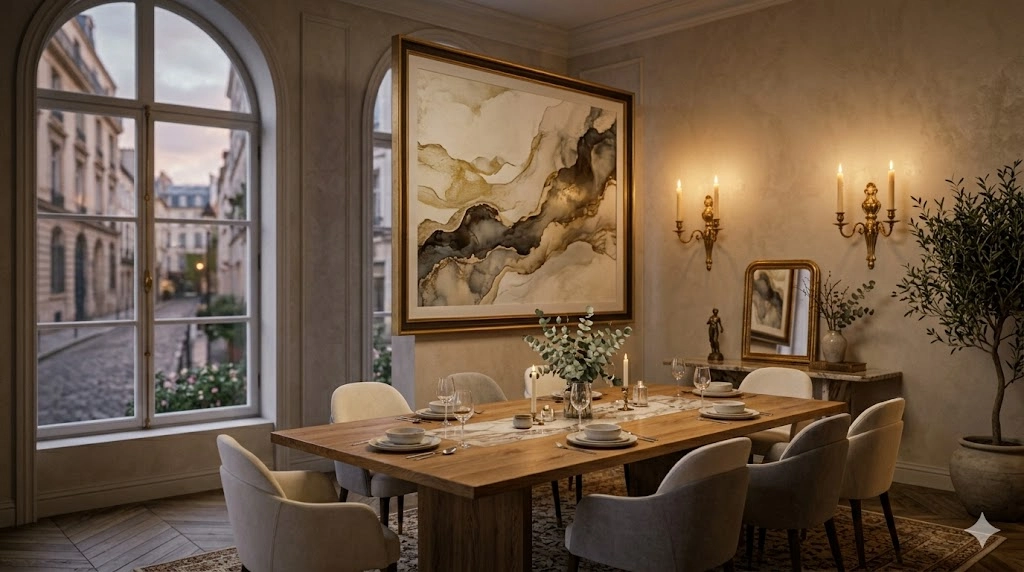
In contemporary interior architecture and modern home aesthetics, wall art for dining room environments has evolved far beyond simple decorative visuals. It is now considered a core component of emotional spatial design, psychological atmosphere building, and lifestyle-driven interior storytelling.
Across Europe—particularly in France, Italy, Germany, and Scandinavian countries—dining rooms are no longer treated as purely functional eating areas. Instead, they are perceived as emotional living environments where human experience, mood regulation, and social connection are carefully shaped.
A dining room today is designed for:
- Emotional bonding between family members
- Social interaction and guest engagement
- Relaxation after daily stress
- Celebration of everyday life moments
- Aesthetic and sensory enjoyment
At the center of this entire experiential environment is wall art for dining room design, which acts as a silent emotional director of the space.
Core 2026 Design Philosophy
Modern European interior experts emphasize one fundamental principle:
A dining room should not only appear visually elegant—it must feel emotionally harmonious.
This shift has transformed wall art into a psychological design instrument, not just a decorative accessory.
In this comprehensive guide, you will explore:
- Deep psychological mechanisms behind dining room wall art
- European stylistic frameworks and cultural differences
- Professional placement systems used by interior designers
- Luxury material selections and premium styling methods
- Common design errors that disrupt visual harmony
- Real-world European interior design methodologies
This is a complete pillar-level SEO guide (3500+ words) designed for professional-grade interior understanding.
Why Wall Art for Dining Room Design Holds Powerful Influence
A dining room is not merely a physical eating zone—it is a behavioral and emotional activation space.
Everything inside it influences human perception:
- Color temperature on walls
- Lighting intensity and direction
- Furniture scale and proportion
- Spatial rhythm and visual flow
- And most importantly → wall art for dining room surfaces
Emotional Influence of Dining Room Artwork
Well-selected wall art can:
- Reduce psychological stress levels
- Enhance natural appetite response
- Encourage meaningful conversation flow
- Increase satisfaction during meals
- Elevate perceived luxury without expensive furniture upgrades
Poorly chosen wall art, however, can:
- Cause visual distraction
- Disrupt emotional comfort
- Break spatial harmony
- Overstimulate cognitive attention
European interior designers therefore treat wall art as a behavior-shaping environmental factor, not just decoration.
Psychology Behind Wall Art for Dining Room Spaces
Understanding psychological principles is essential for mastering dining room aesthetics.
Color Psychology in Dining Environments
Color directly impacts emotional state, appetite, and social interaction.
Warm Color Spectrum
- Deep red tones
- Terracotta shades
- Warm beige palettes
- Soft golden hues
These tones increase perceived warmth and stimulate eating behavior.
Earth-Based Color System
- Chocolate brown
- Olive green
- Sand beige
- Clay-inspired tones
These promote emotional balance and grounding.
Cool Color Range
- Ocean blue
- Soft grey
- Ice white tones
These reduce appetite stimulation but increase mental calmness.
Neutral Luxury Palette
- Ivory white
- Cream tones
- Off-white shades
These are widely used in European luxury dining spaces for elegance and clarity.
Behavioral Psychology in Dining Spaces
Different wall art styles influence behavior:
- Abstract minimalism → relaxed conversations
- Nature-themed visuals → emotional comfort and calmness
- Geometric structures → cognitive order and stability
- Over-detailed artwork → mental overstimulation
In essence:
Wall art directly shapes how people behave at the dining table.
European Psychological Design Framework
Europe follows distinct regional emotional design systems:
France
- Romantic elegance
- Soft luxury tones
- Emotional sophistication
Italy
- Warm hospitality
- Family-centered aesthetics
- Narrative-rich interiors
Scandinavia
- Minimalist purity
- Natural lighting focus
- Functional calmness
Germany
- Structured precision
- Functional balance
- Clean geometry
Despite differences, all emphasize emotional comfort and human-centered design.
Best Wall Art for Dining Room
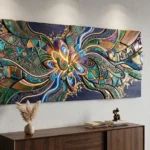
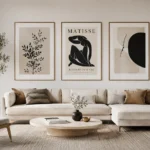
Abstract Wall Art (Modern Luxury Standard)
Abstract compositions remain dominant in 2026 interiors.
Benefits:
- Versatile across all interior styles
- Maintains visual balance without distraction
- Adds emotional depth without narrative overload
- Timeless modern appeal
Ideal for high-end European apartments.
Nature-Inspired Wall Art
Nature continues to dominate European design philosophy.
Examples include:
- Forest landscapes
- Botanical illustrations
- Ocean-inspired visuals
- Minimal floral compositions
Benefits:
- Reduces stress response
- Strengthens indoor-outdoor connection
- Enhances dining comfort
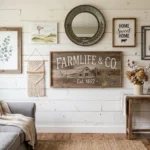
Gallery Wall Systems
Gallery walls function as visual storytelling frameworks.
Common in:
- Family-oriented dining spaces
- Eclectic European homes
- Creative interior environments
Benefits:
- Personal identity expression
- Multi-layered storytelling
- Dynamic visual rhythm
Mirrors as Wall Art for Dining Room
Mirrors are highly strategic in European interiors.
Benefits:
- Amplifies spatial perception
- Reflects natural and candle lighting
- Enhances luxury ambiance
- Increases visual openness
Especially effective in compact dining rooms.
Textured Wall Art
Texture-based design is a premium European trend.
Materials include:
- Carved wood panels
- Fabric-based art forms
- Metallic sculptural designs
- Stone-inspired wall compositions
Effect:
Creates depth, tactile richness, and architectural luxury.
Professional Placement Rules for Wall Art in Dining Rooms
Placement determines design success more than artwork selection.
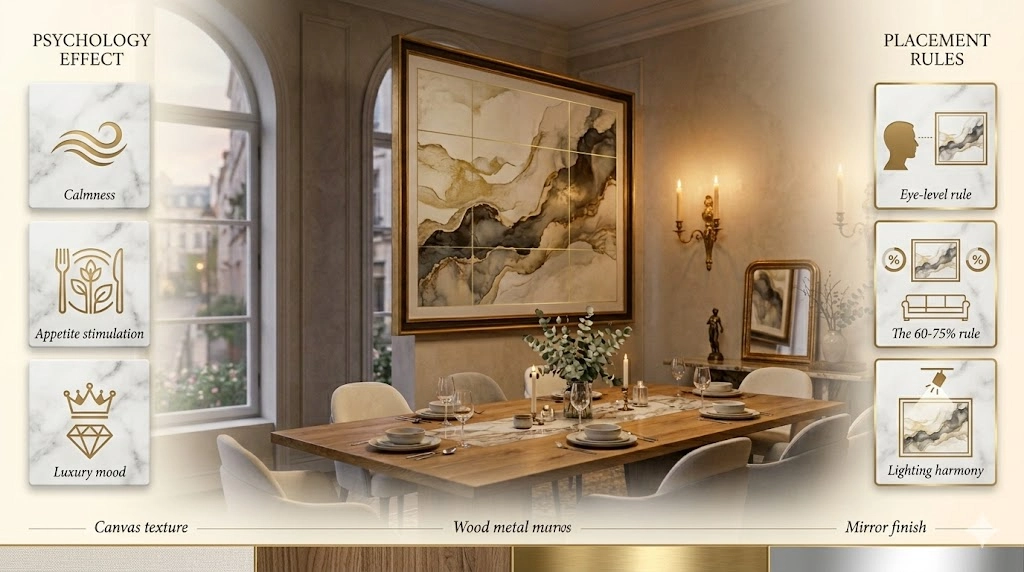
Eye-Level Alignment Principle
The artwork center must align with the seated eye level.
→ Ensures visual comfort and natural viewing experience.
Proportional Table-to-Art Ratio
Ideal formula:
Wall Art Width=0.60 to 0.75×Dining Table Width\text{Wall Art Width} = 0.60 \text{ to } 0.75 \times \text{Dining Table Width}Wall Art Width=0.60 to 0.75×Dining Table Width
This ensures proportional harmony between furniture and visual elements.
Spatial Spacing Principle
- Avoid overcrowding walls
- Maintain negative space (breathing room)
- Prevent visual overload
Lighting Synchronization Rule
Wall art must integrate with:
- Chandeliers
- Wall sconces
- Candle lighting systems
Lighting transforms static art into dynamic emotional scenery.
Placement Strategy Table
| Room Size | Style Approach | Placement Method | Result |
| Small | Minimal | Single focal art piece | Clean spatial clarity |
| Medium | Balanced | 2–3 coordinated pieces | Harmonized flow |
| Large | Luxury | Gallery composition | Rich storytelling |
| Open-plan | Zoning | Large statement panels | Functional separation |
Material Selection for Dining Room Wall Art
Material choice defines perceived luxury.
Canvas Art
- Soft visual presence
- Budget-friendly elegance
- Highly adaptable
Metal Artwork
- Reflective surfaces
- Modern urban luxury
- Light interaction enhancement
Wood-Based Art
- Organic warmth
- Scandinavian influence
- Natural emotional grounding
Textile Wall Art
- Soft acoustic improvement
- Cozy spatial atmosphere
- Sensory comfort enhancement
Candlelight & Wall Art Interaction
A highly influential European design technique involves:
Interaction between candlelight systems and wall art surfaces
Effects:
- Warmer emotional ambiance
- Moving shadow dynamics
- Restaurant-like intimacy
- Luxury experiential transformation
This is widely used in French and Italian interior environments.
European Wall Art Styles for Dining Rooms
French Interior Style
- Romantic sophistication
- Gold detailing accents
- Symmetrical elegance
Italian Interior Style
- Warm tonal harmony
- Rustic storytelling
- Emotional richness
Scandinavian Style
- Minimal compositions
- White space dominance
- Natural material usage
German Style
- Structural clarity
- Functional aesthetics
- High contrast geometry
Common Mistakes in Dining Room Wall Art Design
Avoid these critical errors:
- Oversized mismatch errors
- Incorrect height positioning
- Style inconsistency mixing
- Ignoring lighting synergy
- Excessive wall overcrowding
These mistakes immediately break visual harmony.
Pros & Cons of Wall Art for Dining Rooms
| Aspect | Advantages | Limitations |
| Emotional Impact | Enhances mood & experience | Wrong selection disrupts comfort |
| Aesthetic Value | Adds instant luxury | Requires thoughtful planning |
| Lighting Interaction | Creates ambiance depth | Sensitive to placement |
| Flexibility | Easy to update | Needs design awareness |
Expert European Interior Design Insights
Professional designers follow these principles:
- Design for experience, not decoration
- Prioritize fewer but stronger visual statements
- Match art temperature with lighting tone
- Focus on timeless aesthetics over trends
- Always prioritize emotional response
FAQs
Abstract compositions, nature-inspired visuals, and textured artworks are most effective.
At seated eye level for optimal visual comfort.
No, it should complement the furniture rather than exactly match it.
Yes, mirrors are widely used in European interior design systems.
Approximately 60% to 75% of dining table width.
Final Transformation Insight
Wall art for dining room environments is not simply about visual styling—it is about shaping emotion, psychological response, and lived experience.
European design philosophy reinforces a timeless truth:
The most powerful dining spaces are not decorated—they are emotionally engineered.