Introduction
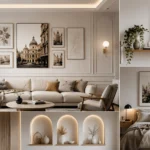
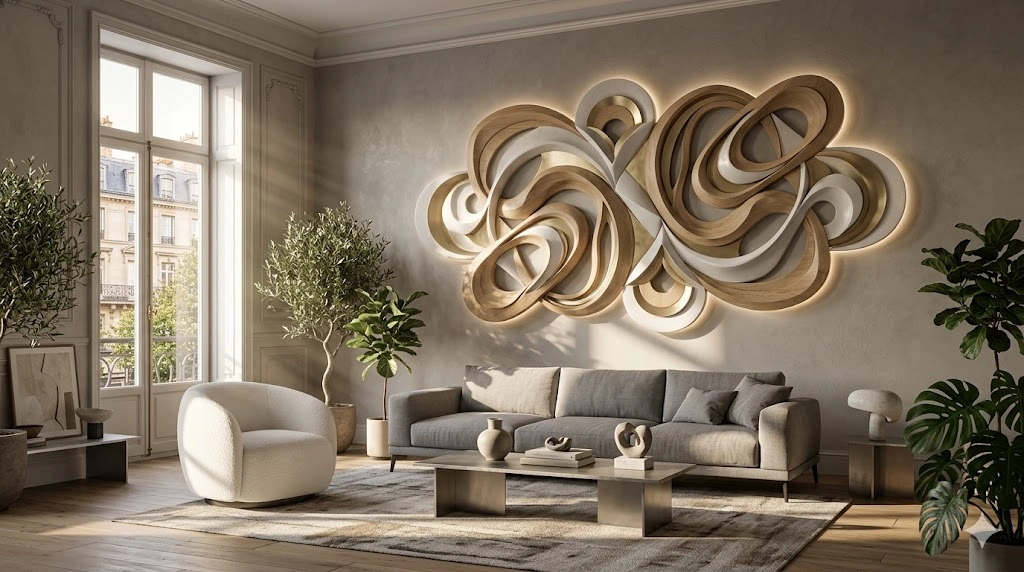
In contemporary European residential architecture, walls are no longer perceived as passive background partitions. Instead, they have evolved into central design focal points that define the personality, mood, and emotional tone of interior spaces. This transformation is strongly driven by the rise of 3D Wall Decor, a modern architectural styling approach that integrates depth, structure, and tactile visual identity into flat surfaces.
Across Europe in 2026, interior design philosophy is undergoing a profound shift. Designers are moving away from plain, sterile, and flat wall treatments toward multi-dimensional, textured, sculptural, and visually dynamic surfaces. Whether in compact Scandinavian apartments, elegant French villas, or contemporary German urban residences, homeowners are embracing walls that express depth, warmth, and spatial storytelling.
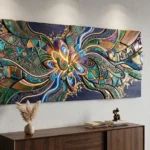
Unlike conventional paint or wallpaper applications, 3D wall decor introduces physical relief structures that interact with natural and artificial lighting. These surfaces generate evolving shadow patterns throughout the day, resulting in interiors that feel alive, adaptive, and emotionally engaging.
Today, architects and interior designers use 3D wall systems for multiple strategic purposes:
- Enhancing perceived spatial volume in compact rooms
- Introducing luxury aesthetics and premium ambiance
- Improving acoustic performance and sound diffusion
- Supporting emotional wellness and psychological comfort
- Establishing architectural identity and visual hierarchy
This comprehensive guide explores everything about 3D Wall Decor in European Interior Design, including emerging trends, psychological principles, material science, room-based applications, expert recommendations, and future predictions.
What Is 3D Wall Decor?
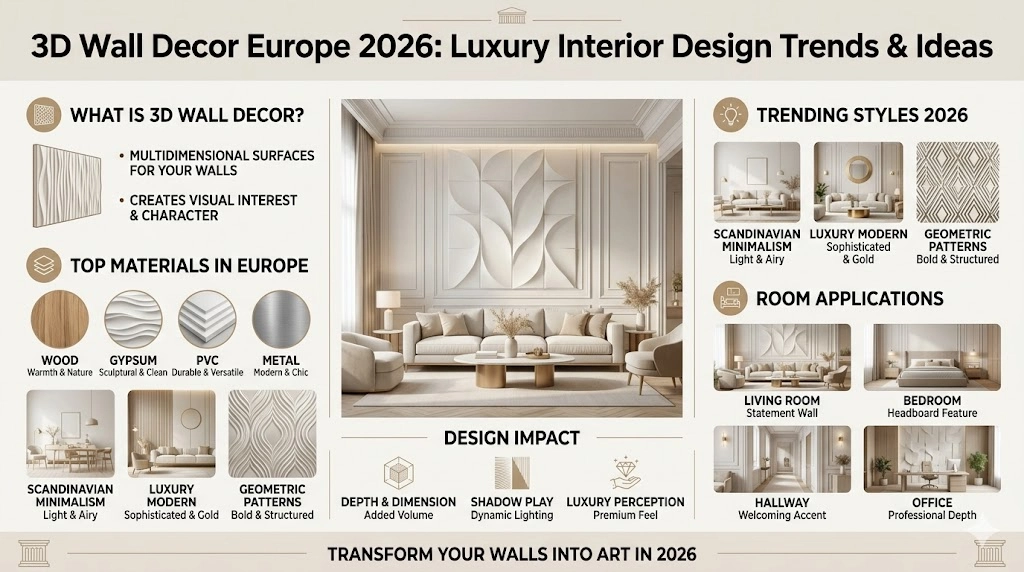
3D Wall Decor refers to decorative architectural wall systems that extend beyond flat surfaces, introducing depth, relief, texture, and sculptural geometry into interior environments. Unlike traditional wall finishes, these designs physically project or recess elements to create a three-dimensional visual experience.
These systems may be constructed using various materials such as:
- Natural wood composites
- Gypsum plaster
- Stone-based cladding
- Metallic alloys
- PVC modular panels
- Engineered composite materials
Key Characteristics of 3D Wall Decor
- Generates architectural depth and spatial layering
- Produces dynamic light-and-shadow interactions
- Adds tactile richness to otherwise plain surfaces
- Functions as both decorative art and structural design element
- Enhances emotional perception of interior environments
Difference Between Traditional Walls and 3D Wall Systems
Conventional walls remain visually static, while 3D wall decor introduces kinetic visual behavior, meaning the appearance changes depending on lighting angles and viewer perspective.
This makes interiors feel:
- More premium and sophisticated
- Architecturally expressive
- Visually dynamic and engaging
- Emotionally immersive
Why 3D Wall Decor Is Dominating Europe
Europe continues to lead global interior innovation, and 3D wall decor is now a central component of modern design evolution.
Transition from Flat Minimalism to Textured Minimalism
Traditional minimalism emphasized empty, white, and flat surfaces. However, modern European design now embraces textured minimalism, where simplicity is preserved but enriched with subtle dimensionality.
This approach maintains clean aesthetics while introducing emotional warmth and depth.
Light and Shadow Architectural Movement
European homes are heavily influenced by natural daylight cycles. 3D surfaces interact with sunlight to create:
- Moving shadow gradients
- Soft visual transitions
- Time-based wall transformation
This enhances spatial perception throughout the day.
Expansion of Luxury Urban Housing
Cities such as Berlin, Paris, Milan, and Amsterdam are experiencing growth in luxury apartment developments. These high-end spaces increasingly use sculptural walls instead of traditional framed artwork.
Sustainability-Driven Interior Design
Eco-conscious living has become a major priority. Designers now prefer:
- Recycled wood materials
- Natural lime-based plaster
- Low-impact composite panels
This aligns aesthetics with environmental responsibility.
Wellness-Oriented Living Spaces
Modern interiors are designed for psychological comfort. 3D wall textures help:
- Reduce noise reflection
- Improve spatial calmness
- Create sensory balance
Design Psychology Behind 3D Wall Decor
3D Wall Decor is not only a visual enhancement tool—it also influences human cognitive perception and emotional response.
Light and Shadow Perception Theory
- Shadows create illusion of depth and movement
- Light diffusion makes static surfaces feel active
- Visual complexity increases engagement
Spatial Illusion Effects
- Vertical geometry → increases perceived height
- Horizontal patterns → expands visual width
- Curved organic shapes → promotes relaxation
Emotional Texture Response
- Smooth natural textures → calming effect
- Sharp geometric reliefs → focus and stimulation
- Organic patterns → emotional balance
Types of 3D Wall Decor in European Interiors
Wooden 3D Wall Panels
Widely used in Scandinavian interiors for natural warmth and sustainable aesthetics.
Geometric Wall Systems
Popular in modern German and Dutch interiors featuring structured precision and minimal design language.
Textured Plaster Surfaces
Favored in Mediterranean villas, offering artisanal handcrafted appeal.
Metal Sculptural Walls
Used in luxury industrial interiors for reflective and high-impact visual presence.
Nature-Inspired Biophilic Panels
Designed to mimic waves, leaves, and organic formations to enhance wellness environments.
Material Comparison
| Material | Style | Durability | Best Use | Trend Level |
| Wood | Warm, natural | High | Living rooms | Very High |
| Plaster | Organic luxury | Medium-High | Villas | High |
| PVC Panels | Budget modern | Medium | Apartments | Medium |
| Metal | Industrial luxury | Very High | Feature walls | High |
| Stone Composite | Premium natural | Very High | Luxury interiors | Very High |
Room-Wise 3D Wall Decor Applications
Living Room
- Feature accent wall behind seating area
- LED integrated geometric panels
- Soft layered textures
Focus: social interaction + luxury presence
Bedroom
- Wooden slat headboard walls
- Soft wave-texture panels
- Warm ambient lighting
Focus: relaxation + emotional calm
Dining Area
- Stone-inspired focal walls
- Minimal sculptural surfaces
- Ambient warm lighting
Focus: intimacy + comfort
Home Office
- Acoustic 3D panels
- Vertical structured slats
- Focus-enhancing geometry
Focus: productivity + concentration
Bathroom
- Moisture-resistant textured finishes
- Marble-inspired relief surfaces
- Spa-like aesthetics
Focus: wellness + cleanliness
Step-by-Step Guide to Selecting 3D Wall Decor
- Define room purpose (rest, work, social interaction)
- Select design language (minimalist, luxury, industrial, Scandinavian)
- Choose appropriate materials based on durability and budget
- Integrate lighting strategy to highlight texture depth
- Limit strong 3D design to a single feature wall
Advantages and Disadvantages
Advantages
- Enhances luxury perception
- Improves lighting dynamics
- Strengthens acoustic quality
- Increases aesthetic value
- Highly customizable systems
Disadvantages
- Higher installation cost
- Requires planning and precision
- Can overwhelm small spaces
- Needs periodic maintenance
Common Design Mistakes
- Overusing textured surfaces in compact rooms
- Mixing incompatible patterns
- Ignoring lighting direction
- Selecting low-quality materials
- Covering entire rooms with 3D decor
Expert European Styling Recommendations
- Use neutral color palettes (white, beige, grey)
- Combine textures with soft indirect lighting
- Maintain minimalist furniture layouts
- Focus on a single feature wall per space
- Align texture direction with natural sunlight
Future Trends of 3D Wall Decor
AI-Generated Interior Surfaces
Custom digital pattern generation for unique wall identities
Smart Adaptive Lighting Walls
Walls that shift ambiance dynamically
Fully Sustainable Material Systems
Zero-waste recyclable wall panels
Modular Interchangeable Designs
Flexible systems for seasonal redesign
Interactive Responsive Walls
Surfaces reacting to touch or movement
FAQs
Yes, but only one accent wall should be used to avoid visual overload.
Wood and plaster are most widely used due to natural aesthetics and durability.
Yes, it enhances perceived luxury and buyer interest significantly.
Simple modular panels can be DIY-installed, but complex designs require professionals.
Short Conclusion
3D Wall Decor is redefining modern European interior design by turning plain walls into expressive, textured focal points. In 2026, it is no longer just a decorative choice but a design strategy that enhances depth, lighting, comfort, and luxury perception. Whether used in living rooms, bedrooms, or offices, it adds architectural identity and emotional warmth to any space.
When applied thoughtfully—with the right materials, lighting, and minimal approach—3D wall decor can completely transform the atmosphere of a home while aligning with modern European aesthetics of simplicity, sustainability, and elegance.