Geometric Wall Art: European Design System, Psychology & Modern Styling
Geometric wall art has evolved into one of the most influential interior design movements in contemporary European homes. From Scandinavian minimal apartments to Italian luxury residences, geometric shapes introduce order, refinement, and sophistication into modern interiors.
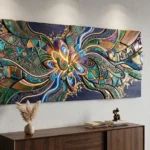
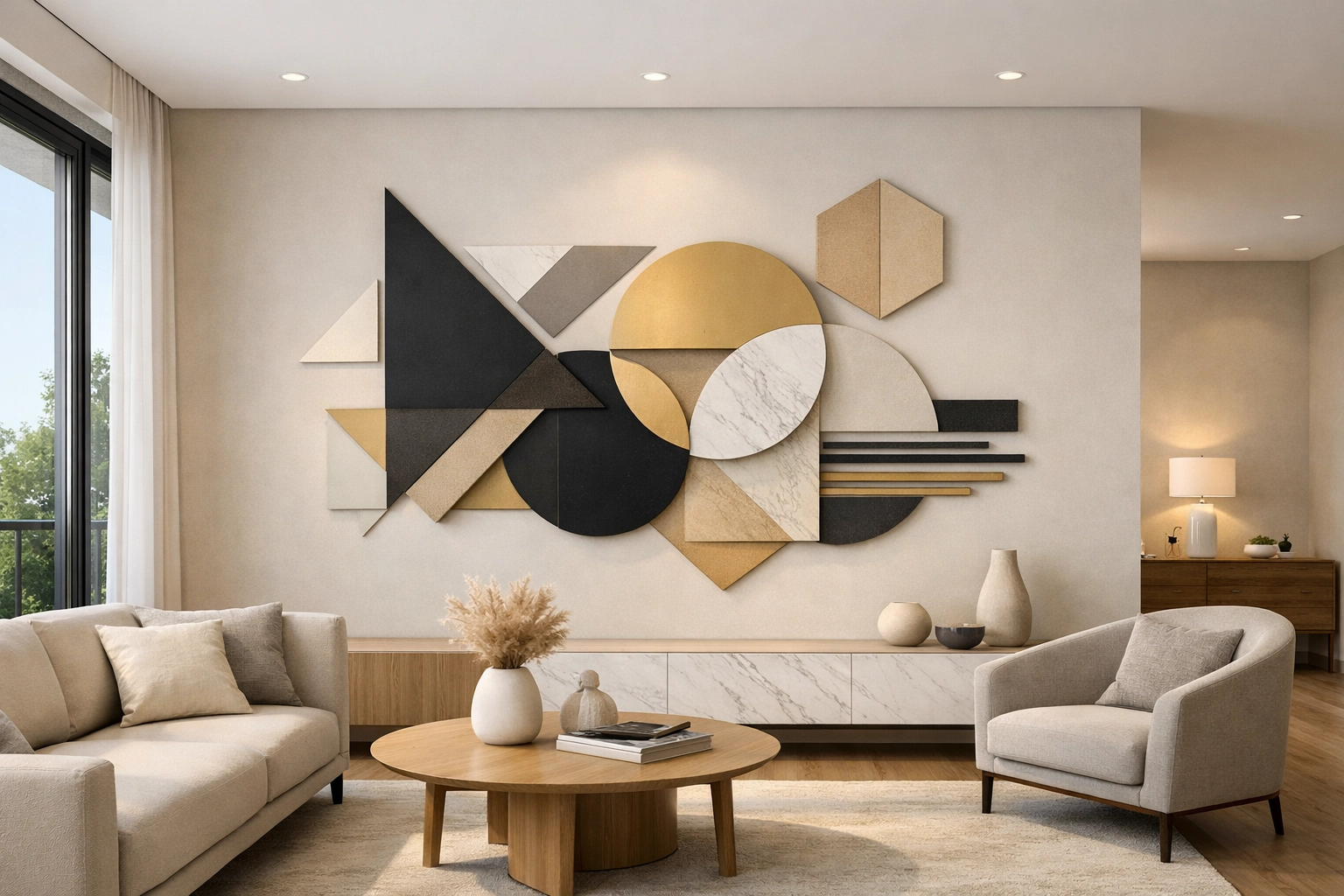
Unlike traditional wall decorations that rely heavily on imagery, geometric wall art utilizes structured forms, symmetry, and patterns to create visual rhythm and spatial depth. Designers frequently incorporate triangles, hexagons, circles, and abstract polygons to transform ordinary walls into architectural focal points.
Interior professionals from leading publications such as Architectural Digest, Dezeen, and Houzz frequently emphasize that geometric wall art enhances visual equilibrium, improves spatial harmony, and complements furniture compositions effectively.
This comprehensive 2026 pillar guide will help you master geometric wall art like a professional interior designer.
In This Guide, You’ll Learn
European geometric wall art styles
Design psychology behind shapes
Material selection framework
Professional placement rules
Room-by-room styling guide
2026 European trends
Common mistakes to avoid
Whether you’re designing a modern apartment in Sweden, a minimalist home in Germany, or a luxury villa in Italy, this guide will help you create professional designs.
What is Geometric Wall Art?
Geometric wall art refers to decorative wall elements that utilize structured shapes and repeating patterns to establish visual balance and artistic expression.
Common Geometric Shapes
Triangles
Circles
Squares
Hexagons
Diamonds
Abstract polygons
These shapes create:
Symmetry
Rhythm
Harmony
Visual movement
Architectural balance
Interior designers frequently use to:
Create focal points
Define spatial zones
Enhance architecture
Add visual interest
Balance furniture arrangements
Why Geometric Wall Art is Popular in Europe
European interiors often favor due to several design principles:
Minimalist design culture
Modern architecture
Neutral color palettes
Functional design philosophy
This design approach is strongly influenced by the Bauhaus movement, which emphasized simplicity, geometry, and functionality.
Popular European Styles
Scandinavian Style
Characteristics:
Minimal geometry
Soft tones
Natural materials
Popular in:
Sweden
Denmark
Norway
Finland
Modern German Interiors
Clean geometry
Neutral tones
Structured layouts
Popular in:
Germany
Italian Luxury Design
Bold geometric patterns
Marble textures
Metallic finishes
Popular in:
Italy
French Contemporary Style
Artistic geometry
Elegant shapes
Balanced composition
Popular in:
France
Design Psychology
Shapes influence mood, energy, and perception. Understanding design psychology helps you create better layouts.
Shape Psychology Table
Shape | Meaning | Best Room
Triangle | Energy & Movement | Living Room
Circle | Calm & Softness | Bedroom
Square | Stability | Office
Hexagon | Harmony | Living Room
Abstract | Creativity | Studio
Understanding Shape Psychology
Triangles – Energy & Movement
Triangles create:
Dynamic movement
Visual energy
Modern appearance
Best for:
Living rooms
Entryways
Creative spaces
Circles – Calm & Softness
Circles create:
Calm atmosphere
Soft visual flow
Balanced look
Best for:
Bedrooms
Relaxation spaces
Reading corners
Squares – Stability & Structure
Squares create:
Order
Stability
Clean layout
Best for:
Offices
Workspaces
Minimal interiors
Hexagons – Harmony & Balance
Hexagons create:
Natural flow
Visual harmony
Modern feel
Best for:
Living rooms
Feature walls
European Trends 2026
1. Scandinavian Minimal Geometry
Characteristics:
Neutral Colors
Soft shapes
Minimal layout
Natural materials
Best Materials:
Wood
Canvas
Neutral tones
2. Modern Luxury Geometry
Features:
Metallic accents
Marble textures
Bold shapes
Large-scale artwork
Popular in luxury homes across Europe.
3. Organic Geometry
Features:
Natural materials
Earth tones
Curved shapes
Soft textures
Popular in:
Germany
Netherlands
Belgium
Material Selection System
Materials influence lighting, texture, and visual depth.
Best Materials
Wood
Benefits:
Warm appearance
Natural texture
Scandinavian style
Best for:
Living rooms
Bedrooms
Metal
Benefits:
Modern look
Durable
Luxury feel
Best for:
Offices
Entryways
Canvas
Benefits:
Affordable
Lightweight
Versatile
Best for:
Apartments
Bedrooms
3D Wall Panels
Benefits:
Premium look
Depth
Modern design
Best for:
Feature walls
Material Comparison Table
Material | Style | Cost | Best Room
Wood | Warm | Medium | Living Room
Metal | Luxury | High | Office
Canvas | Flexible | Low | Bedroom
3D Panels | Premium | High | Feature Wall
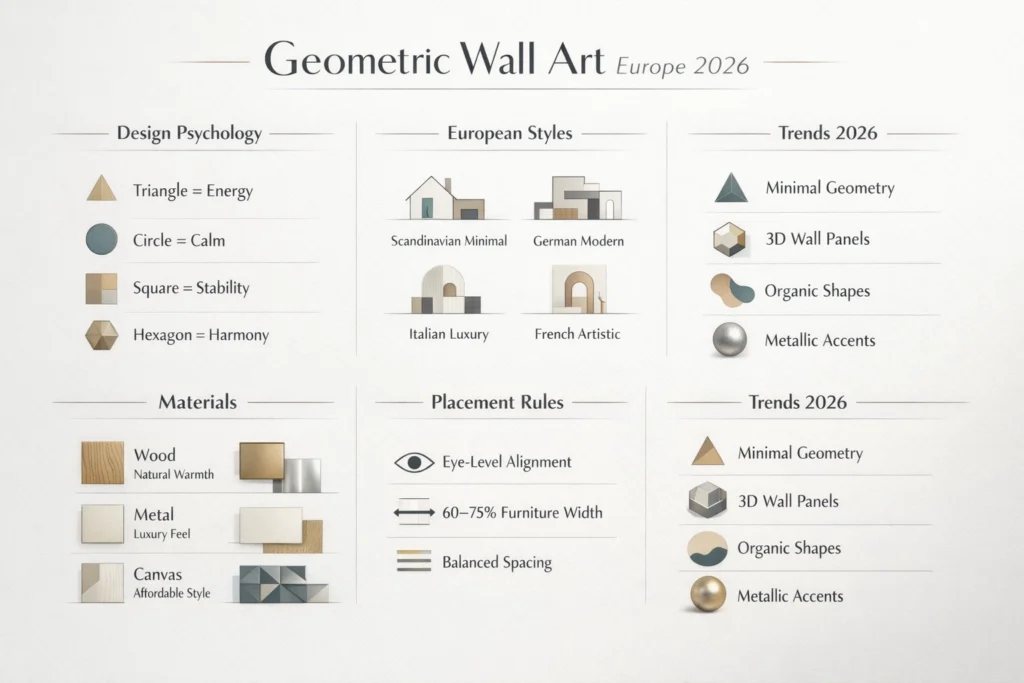
Placement Rules
1: Eye-Level Placement
Ideal height:
57–60 inches from floor center
2: Size Rule
Artwork width:
60–75% of furniture width
3: Spacing Rule
Spacing between pieces:
2–4 inches
These guidelines create balanced geometric wall art compositions.
Room-by-Room Guide
Living Room
Best Options:
Large statement pieces
Gallery wall geometry
Abstract shapes
Tips:
Use bold designs
Match furniture colors
Bedroom
Best Styles:
Minimalist geometry
Soft colors
Calm shapes
Recommended:
Circles
Soft polygons
Office
Best Options:
Structured geometry
Minimal designs
Neutral colors
Shapes:
Squares
Rectangles
Entryway
Best Ideas:
Bold shapes
Statement designs
Metal art
Popular Styles
Minimalist Geometry
Neutral colors
Clean lines
Abstract Geometry
Creative shapes
Bold designs
Scandinavian Geometry
Soft colors
Natural textures
Luxury Geometry
Metallic finishes
Marble patterns
Boho Geometry
Organic shapes
Natural tones
How to Choose the Perfect
Step-by-Step Guide
1: Choose Room
Living room
Bedroom
Office
2: Choose Style
Minimalist
Luxury
Modern
3: Choose Color
Neutral
Bold
Monochrome
4: Choose Material
Wood
Canvas
Metal
5: Choose Placement
Apply placement rules.
Mistakes to Avoid
Too small artwork
Too many shapes
Wrong color contrast
Poor placement
Overcrowded walls
2026Trends
3D Geometric Panels
Minimalist neutral shapes
Large-scale art
Metallic accents
Organic geometry
Pros & Cons
Pros
Modern appearance
Versatile
Timeless design
Works in all rooms
Easy to style
Cons
Can feel cold if overused
Requires proper placement
Bold designs may overwhelm
Comparison: Geometric Wall Art vs Traditional Wall Art
Feature | Geometric | Traditional
Style | Modern | Classic
Flexibility | High | Medium
Popularity | Growing | Stable
Design Impact | Strong | Moderate
European Country-Wise Ideas
Germany
Minimalist geometry
Neutral tones
France
Artistic geometric prints
Luxury designs
Italy
Bold geometric art
Marble textures
Scandinavia
Soft geometric shapes
Natural materials
FAQs
Yes, geometric wall art remains one of the most popular modern design trends.
Living rooms, bedrooms, offices, and entryways.
Neutral, monochrome, and earth tones.
Final Verdict
Geometric wall art is one of the most powerful interior design tools in modern European homes. From Scandinavian minimalism to Italian luxury interiors, geometric shapes create balance, structure, and elegance.
By understanding:
Design psychology
Material selection
Placement rules
Room-by-room strategy
You can transform any wall into a professional design word.
If you’re building a modern European interior, geometric wall art remains one of the best choices for timeless elegance and optical impact.