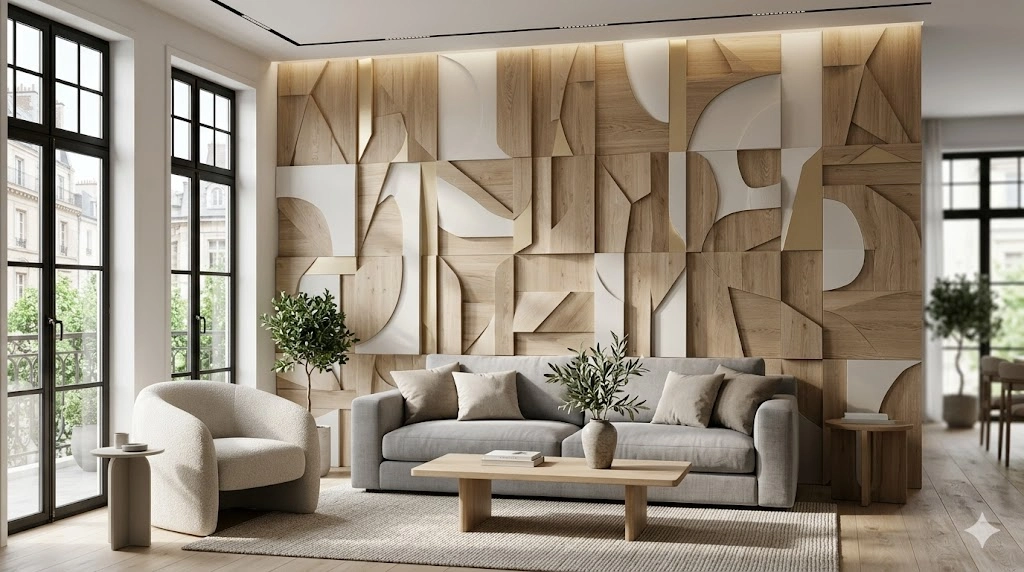
Introduction
In 2026, 3D wall art decoration is no longer simply a passing aesthetic preference—it represents a transformative evolution in how individuals perceive and experience interior environments. Across Europe, from compact urban apartments in Germany to refined Parisian flats and serene Scandinavian homes, interior design is becoming increasingly immersive, expressive, and emotionally engaging.
Walls, once considered passive structural elements, are now active contributors to atmosphere and identity. They are no longer plain, flat, or monotonous surfaces. Instead, they have evolved into:
- Textured compositions
- Interactive visual elements
- Multi-dimensional focal points filled with character
Unlike conventional paintings or printed posters, 3D wall art decoration introduces layers, contours, and dimensionality. It manipulates illumination, shadow interplay, and spatial perception to enhance depth and visual intrigue. As a result, interiors feel more expansive, inviting, and dynamic.
Consider this perspective:
Flat walls = purely visual observation
3D walls = sensory and emotional experience
This comprehensive guide will walk you through everything—from foundational understanding to advanced design strategies—helping you craft interiors that are not only visually stunning but also psychologically enriching.
What Is 3D Wall Art Decoration?
Simple Definition
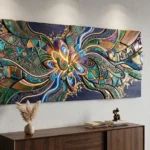
3D wall art decoration refers to the integration of depth, structure, and tactile dimension into wall surfaces using layered materials, sculptural elements, or textured finishes.
Rather than simply displaying imagery, it transforms walls into multi-layered compositions that engage both sight and touch.
Common Examples of 3D Wall Art
- Carved wooden relief panels
- Metallic sculptural installations
- Geometric wall systems (PVC, MDF, gypsum)
- Textured canvas artworks using impasto techniques
- Resin and acrylic layered compositions
- Fabric-based acoustic panels
Key Difference: Flat vs 3D Wall Art
| Feature | Flat Wall Art | 3D Wall Art Decoration |
| Visual Depth | None | High (layered & dimensional) |
| Interaction | Visual only | Visual + tactile + spatial |
| Lighting Effect | Static | Dynamic shadows & highlights |
| Emotional Impact | Moderate | Strong & immersive |
Why 3D Wall Art Decoration Is Dominating Europe in 2026
Enhances Depth in Compact Living Spaces
Urban European residences—especially in cities like Berlin and Paris—often face spatial limitations.
3D wall elements introduce visual stratification, making interiors appear more spacious and open without structural modifications.
Harmonizes with Natural Illumination
European interiors are known for their soft, diffused daylight. Textured surfaces respond beautifully to shifting light conditions:
- Morning → gentle shadows
- Afternoon → pronounced highlights
- Evening → warm, ambient depth
This evolving visual interaction keeps interiors dynamic throughout the day.
Supports Sensory Interior Design Trends
Modern design philosophy is moving beyond aesthetics into experiential living. People now prioritize:
- Comfort and tactility
- Emotional resonance
- Sensory stimulation
3D wall art aligns perfectly with this shift by adding texture, warmth, and human-centric design elements.
Creates a Strong Focal Statement
Instead of overcrowding walls with multiple frames, contemporary European design favors a singular impactful feature.
One statement wall
Minimal surrounding décor
Maximum visual effect
Aligns with Sustainable Living Values
Sustainability is a core principle in European design. Popular materials include:
- Natural timber
- Recycled composites
- Organic textiles
These environmentally conscious options combine aesthetics with responsibility.
Types of 3D Wall Art Decoration
Wooden 3D Wall Art
Warm, organic, and calming, wooden wall art introduces natural elegance. It is particularly prominent in Scandinavian interiors.
Ideal for:
- Living rooms
- Home offices
Metal Wall Sculptures
Bold, contemporary, and reflective, metal installations create striking visual contrast.
Ideal for:
- Industrial-style apartments
- Transitional spaces like hallways
Textured Canvas Art
Expressive and artistic, textured canvases use thick paint layers to create depth and movement.
Ideal for:
- Bedrooms
- Creative studios
3D Wall Panels
Among the most versatile and widely used solutions in Europe.
Materials include:
- PVC
- MDF
- Gypsum
Design variations:
- Geometric patterns
- Wave forms
- Abstract motifs
Ideal for:
- Feature walls
- TV backdrops
Textile & Fabric Wall Art
Soft, comfortable, and functional, textile panels enhance acoustics while adding warmth.
Ideal for:
- Bedrooms
- Offices
Room-by-Room 3D Wall Decoration Guide
Living Room
The central gathering space should feature a strong visual anchor.
Ideas:
- Large geometric installations behind the sofa
- Wooden textures paired with ambient lighting
Tip: Integrate LED lighting to amplify depth and contrast.
Bedroom
Focus on tranquility and relaxation.
Best options:
- Soft fabric panels
- Gentle wave textures
Avoid:
- Harsh geometries
- Overly complex structures
Home Office
Encourage productivity through simplicity.
Use:
- Neutral palettes
- Minimalist geometric patterns
Acoustic panels can improve concentration and sound quality.
Hallways & Entryways
Even narrow spaces can benefit from dimensional design.
Use:
- Lightweight panels
- Repetitive patterns
This creates continuity and visual rhythm.
Dining Area
Introduce sophistication and ambiance.
Use:
- Textured artistic surfaces
- Warm, diffused lighting
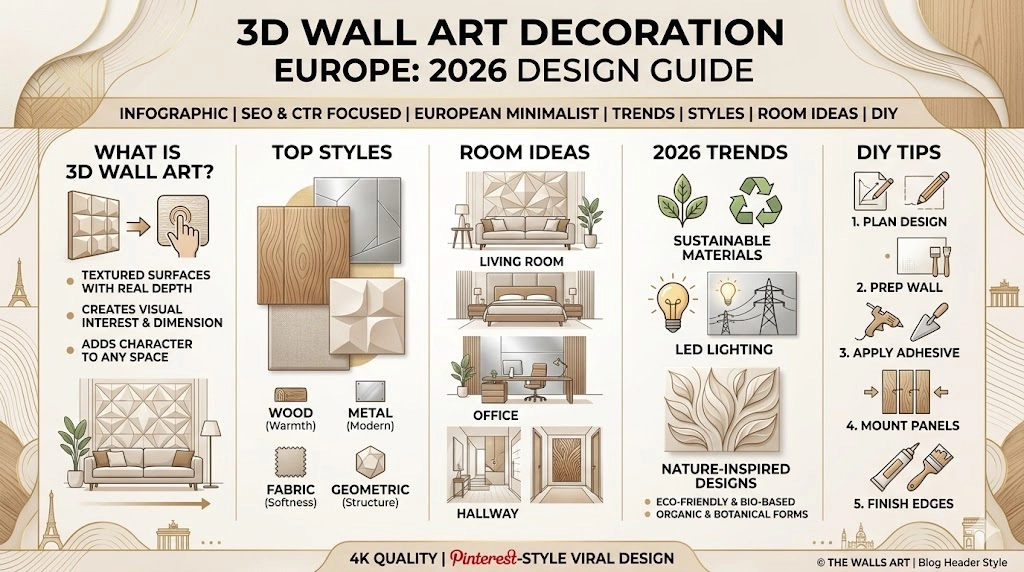
European Design Styles Using 3D Wall Art Decoration
Scandinavian Style
- Light-toned wood
- Subtle textures
- Minimalistic aesthetics
Creates a serene and balanced environment
German Modern Style
- Clean geometry
- Functional design
- Neutral shades
Structured, efficient, and precise
French Luxury Style
- Decorative moldings
- Artistic relief textures
Elegant and refined
Mediterranean Style
- Earth-inspired tones
- Organic forms
Warm, natural, and sun-influenced
How to Choose the Right 3D Wall Art Decoration
Important Factors
1. Room Size
- Small spaces → subtle textures
- Large rooms → bold designs
2. Lighting Direction
- Natural light enhances dimensionality
- Position artwork where light interacts effectively
3. Wall Strength
- Ensure structural support for heavier installations
4. Color Coordination
- Align with furniture, flooring, and overall palette
5. Functional Purpose
- Decorative
- Acoustic
- Insulative
Expert Tip
Position 3D wall art near natural or artificial light sources to maximize shadow depth and visual impact.
Comparison of Popular Materials
| Material | Durability | Cost | Best For | Maintenance |
| Wood | High | Medium | Warm interiors | Moderate |
| Metal | Very High | High | Modern spaces | Low |
| PVC Panels | Medium | Low | Budget décor | Low |
| Gypsum | High | Medium | Feature walls | Moderate |
| Fabric | Medium | Medium | Acoustic comfort | Moderate |
DIY 3D Wall Art Decoration Ideas
DIY design is gaining popularity across Europe as homeowners seek personalization and affordability.
Popular DIY Concepts
- Layered wooden panels
- Foam-based geometric designs
- Plaster texturing techniques
- Fabric acoustic installations
- Recycled material compositions
Step-by-Step DIY Process
| Step | Action | Tip |
| 1 | Choose design | Keep it simple |
| 2 | Select materials | Opt for lightweight options |
| 3 | Prepare wall | Ensure clean surface |
| 4 | Install design | Use reliable adhesive |
| 5 | Add lighting | Optional but impactful |
Common Mistakes to Avoid
Avoid these errors to maintain a professional finish:
Excessive textures causing visual clutter
Ignoring lighting placement
Oversized elements in compact rooms
Mixing incompatible styles
Improper installation techniques
2026 Trends in 3D Wall Art Decoration
Emerging Trends
Sustainable materials dominating design choices
Handmade, imperfect aesthetics gaining popularity
Nature-inspired patterns such as leaves and waves
Acoustic wall solutions combining beauty and function
Smart lighting integration enhancing dimensional effects
Design Psychology: Why 3D Walls Feel Better
3D wall art decoration has a measurable psychological impact:
Reduces monotony and visual fatigue
Enhances comfort and warmth
Improves emotional well-being
Creates perception of larger space
These elements contribute to a more engaging and satisfying living environment.
Pros & Cons
Pros
- Adds depth and sophistication
- Enhances lighting dynamics
- Creates strong visual identity
- Increases perceived property value
Cons
- Can be costly depending on materials
- Requires proper installation
- Needs occasional maintenance
FAQs
Yes. Use light colors and simple designs.
PVC panels and foam are easiest.
Only light cleaning and dusting.
Yes, many DIY options exist.
It depends—DIY is cheap, custom designs are expensive.
Conclusion
3D wall art decoration is not merely a design trend—it represents the future of interior environments across Europe. It transforms:
- Flat surfaces → dynamic structures
- Empty walls → expressive narratives
- Ordinary rooms → immersive experiences
The formula for success is straightforward:
Select appropriate materials
Optimize lighting placement
Maintain visual balance
When executed thoughtfully, your wall becomes more than decoration—it becomes a reflection of identity, emotion, and lifestyle evolution.