Introduction
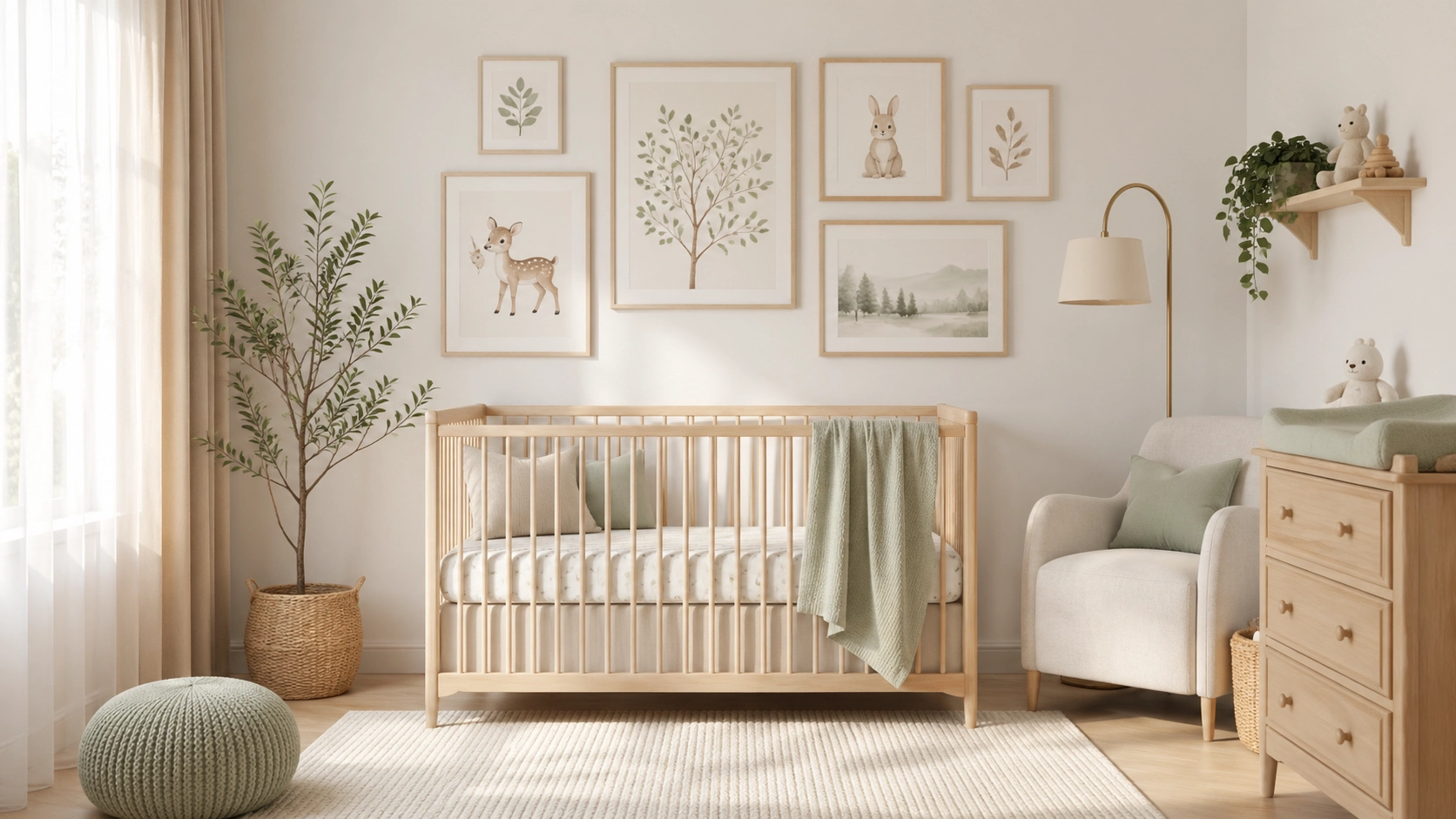
Designing wall art decor for nursery is far more than simply decorating blank surfaces. It involves thoughtfully crafting a nurturing, serene, and visually balanced environment where your baby will rest, grow, observe, and begin early learning experiences.
In contemporary European interiors, nursery styling has evolved significantly. Instead of overwhelming spaces with bright, loud colors and excessive cartoon imagery, modern parents are embracing soothing aesthetics, intentional design, and emotionally supportive visuals.
Why is this important?
Because infants are highly responsive to their surroundings. Every visual element—from color tones to shapes and spatial arrangement—can influence:
- Emotional stability
- Sleep patterns
- Sense of security
- Early cognitive stimulation
This comprehensive 2026 guide on nursery wall art will help you build a space that is not only visually appealing but also psychologically supportive and future-proof.
What You Will Learn in This Guide
- The most effective types of nursery wall decorations
- Science-backed design principles for infants
- Latest European nursery trends
- Strategic placement techniques used by professionals
- Essential safety considerations every parent must follow
- Common decorating mistakes and how to avoid them
What Is Wall Art Decor for Nursery?
Wall art decor for nursery refers to all visual elements, artistic pieces, and decorative installations placed on nursery walls to create a harmonious, engaging, and functional atmosphere.
Common Types Include:
- Printed illustrations (canvas prints, posters)
- Adhesive decals and removable stickers
- Hand-painted murals and artistic designs
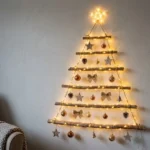
- Textured and handcrafted decorations
- Educational and developmental visuals
Why It Matters
Unlike adult spaces, nursery design serves a deeper developmental purpose.
Emotional Comfort
Gentle visuals and balanced compositions help infants feel protected, calm, and reassured.
Cognitive Development
Patterns, shapes, alphabets, and imagery contribute to early neural connections and recognition skills.
Improved Sleep Quality
Soft palettes and minimal stimulation reduce restlessness and support better sleep cycles.
Long-Term Functionality
Well-planned wall decor evolves with your child, reducing the need for frequent redesign.
Types of Wall Art Decor for Nursery
Nursery Wall Prints
These are among the most widely used and versatile forms of nursery decoration.
Examples:
- Watercolor animal illustrations
- Storybook-inspired imagery
- Minimalist line drawings
- Soft scenic landscapes
Why They Work:
- Easy to replace or update
- Adaptable to multiple design themes
- Provide subtle visual stimulation without overwhelming
Educational Wall Art
A rapidly growing trend in European nurseries, combining beauty with functionality.
Includes:
- Alphabet charts
- Number posters
- Shape recognition guides
- Phonics visuals
Benefits:
- Encourages early learning
- Combines decorative and educational value
- Remains relevant as the child grows
Nature-Inspired Wall Art
One of the most dominant trends in 2026 nursery design.
Popular Themes:
- Woodland creatures
- Safari environments
- Botanical illustrations
- Mountain and forest landscapes
Why It’s Trending:
- Promotes calmness and tranquility
- Builds an early connection with nature
- Aligns perfectly with Scandinavian aesthetics
Personalized Wall Art
Adds a unique and emotional dimension to the nursery.
Examples:
- Baby name plaques
- Birth date typography prints
- Custom quotes or affirmations
Why It Works:
- Creates a personal identity for the space
- Strengthens emotional attachment
- Serves as a lifelong keepsake
Wall Decals & Stickers
A flexible and cost-effective decorating solution.
Features:
- Peel-and-stick application
- Easily removable without damage
- Wide variety of themes and designs
Best For:
- Rental properties
- Temporary setups
- Accent wall enhancements
Textured & Sensory Wall Decor
A premium European approach focusing on tactile experiences.
Includes:
- Fabric wall hangings
- Felt banners
- Wooden panels
- Layered materials
Benefits:
- Adds depth and dimension
- Supports sensory exploration
- Creates a luxurious and refined ambiance
Comparison Table: Nursery Wall Art Types
| Type | Best For | Durability | Flexibility | Cost Level | Design Impact |
| Wall Prints | All styles | High | Medium | Medium | High |
| Educational Art | Learning | High | Low | Low | Medium |
| Nature Art | Calm spaces | High | Medium | Medium | High |
| Personalized Art | Emotional value | High | Low | Medium | High |
| Wall Decals | Temporary decor | Medium | High | Low | Medium |
| Textured Decor | Luxury interiors | High | Low | High | Very High |
Nursery Wall Art Placement Strategy
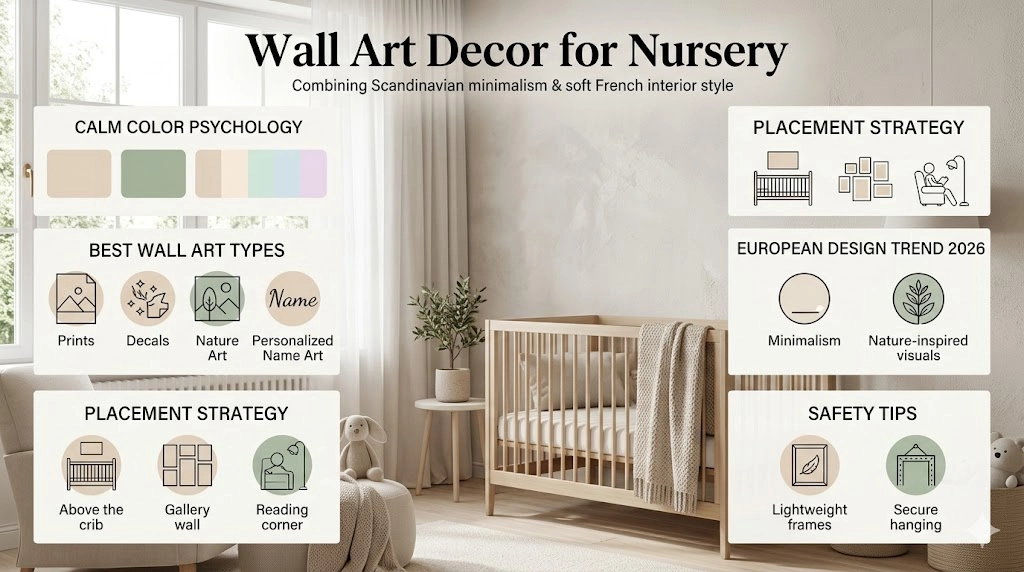
Placement is just as crucial as the artwork itself.
Above the Crib
This is the most visually dominant location.
Rules:
- Keep designs simple and soothing
- Use lightweight materials
- Ensure secure installation
- Avoid heavy or fragile frames
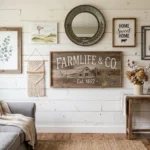
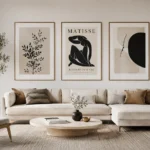
Gallery Wall
Instead of a single centerpiece, arrange multiple artworks.
Ideal Setup:
- 3–6 coordinated pieces
- Consistent color scheme
- Balanced spacing and alignment
Why It Works:
- Creates visual storytelling
- Adds depth and personality
- Offers flexibility for updates
Reading Corner
A dedicated space for calm interaction.
Add:
- Gentle illustrations
- Soft lighting
- Relaxing visual elements
Accent Wall / Murals
Use one feature wall as a focal point.
Pro Tip:
Keep surrounding walls minimal to prevent visual overload.
Nursery Color Psychology
Color is one of the most influential elements in nursery design.
Best Colors for Nursery
- Beige
- Sage green
- Warm gray
- Soft pastel tones
Effects:
- Promote relaxation
- Enhance sleep quality
- Reduce stress and overstimulation
Colors to Avoid
- Bright red
- Neon orange
- High-contrast patterns
Why:
These tones can overstimulate infants and disrupt calmness.
2026 Nursery Wall Art Trends
Timeless Over Trendy
Parents now prioritize enduring designs over temporary cartoon themes.
Neutral Minimalism
Inspired by Scandinavian interiors:
- Clean layouts
- Muted tones
- Natural textures
Gallery Walls
Flexible, customizable, and visually dynamic.
Sensory & Interactive Decor
Tactile materials are becoming increasingly popular.
Long-Term Design Thinking
Decor that adapts as the child grows.
Common Nursery Wall Decor Mistakes
Avoid these frequent design errors:
Overcrowding walls → creates visual stress
Mixing too many themes → reduces harmony
Ignoring lighting → affects appearance
Using unsafe frames → potential hazards
Poor color coordination → disrupts mood
Golden Rule:
Simplicity always outperforms complexity.
How to Choose the Perfect Nursery Wall Art
Step-by-Step Framework
1: Choose a Theme
- Nature-inspired
- Minimalist
- Safari
- Vintage
2: Select Color Palette
Limit to 3–4 complementary tones.
3: Mix Art Types
Combine:
- Prints
- Decals
- Textures
Decision Table
| Step | Key Question | Outcome |
| Theme | What mood? | Calm / Playful |
| Color | Which tones? | Neutral |
| Art Type | What materials? | Prints / Fabric |
Pros & Cons of Nursery Wall Art Decor
Pros
- Enhances baby’s environment
- Supports early development
- Improves aesthetics
- Builds emotional connection
- Adapts over time
Cons
- Poor choices may overstimulate
- Some materials can be unsafe
- Requires updates over time
- Overdesign leads to clutter
European Style Inspiration for Nursery Walls
Scandinavian Style
- Minimalistic
- Neutral palettes
- Nature-inspired elements
French Style
- Soft elegance
- Vintage artwork
- Light color schemes
Italian Style
- Artistic flair
- Warm tones
- Classic compositions
German Style
- Functional design
- Structured layouts
- Educational focus
DIY Nursery Wall Decor Ideas
Ideas:
- Hand-painted murals
- Framed textiles
- Wooden name signs
- Minimalist line drawings
Benefits:
- Budget-conscious
- Personalized touch
- One-of-a-kind design
FAQs
Lightweight prints, decals, and securely mounted items are the safest.
Typically, 3–6 pieces create a balanced look.
Yes, coordination improves visual harmony.
Yes, it supports emotional and cognitive development.
Neutral, minimalist, and nature-inspired styles dominate.
Conclusion
The best wall art decor for a nursery is simple, calm, and meaningful. By choosing soft colors, safe materials, and thoughtful designs, you can create a space that supports your baby’s comfort, sleep, and early development. In 2026, the key is clear: keep it minimal, purposeful, and flexible as your child grows.