Introduction
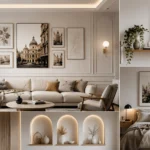
Walls today are no longer just structural elements—they are emotional surfaces that define how a home feels. The rising trend of Walls with Lighting has completely changed modern interior design across Europe and beyond, turning simple rooms into expressive, atmospheric spaces.
From Scandinavian apartments in Sweden and Denmark to luxury homes in France and Italy, wall-integrated lighting is now a key design language. It blends functionality with art, creating depth, warmth, and identity inside living spaces.
What makes this trend so powerful is its ability to shift mood instantly. A softly lit wall can make a bedroom feel calming, while a glowing TV wall can turn a living room into a cinematic experience. Designers now treat light as a material—just like wood, stone, or paint.
In this complete guide, we will explore how walls with lighting work, how they are used in European homes, and how you can apply these ideas to create modern, elegant, and timeless interiors.
Why Walls with Lighting Are Changing Modern Interior Design
Lighting has evolved from a basic necessity into a central design element. Today, architects and designers across Germany, France, and the Netherlands are integrating light directly into walls instead of relying only on ceiling fixtures.
Key Reasons This Trend Is Growing:
- Creates emotional atmosphere inside rooms
- Adds architectural depth and dimension
- Enhances modern minimalist interiors
- Supports smart home integration
- Improves night-time comfort without harsh brightness
In modern European homes, especially apartments with limited space, wall lighting also replaces bulky lamps and frees visual space, making interiors look cleaner and more premium.
Design Psychology of Wall Lighting
Wall lighting is not just visual—it is psychological. It directly affects how humans perceive space.
Light Effects on Mood:
- Warm light (2700K–3000K): comfort, relaxation, intimacy
- Neutral light (3500K–4100K): balance and natural clarity
- Cool light (5000K+): focus, modernity, energy
Spatial Perception Effects:
- Hidden lighting makes walls look “floating”
- Vertical lighting increases ceiling height perception
- Layered lighting adds luxury depth
- Accent lighting draws attention to textures and art
Luxury hotels in Switzerland and Italy often use layered wall lighting to create a premium, cinematic atmosphere.
Types of Walls with Lighting Designs
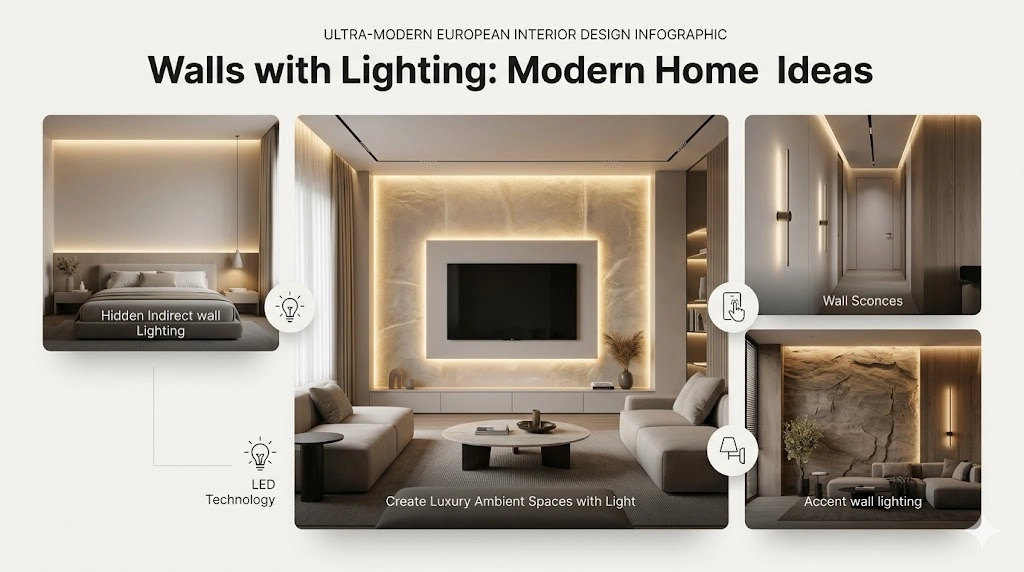
LED Strip Wall Lighting
LED strips are the foundation of modern wall lighting design.
Common placements:
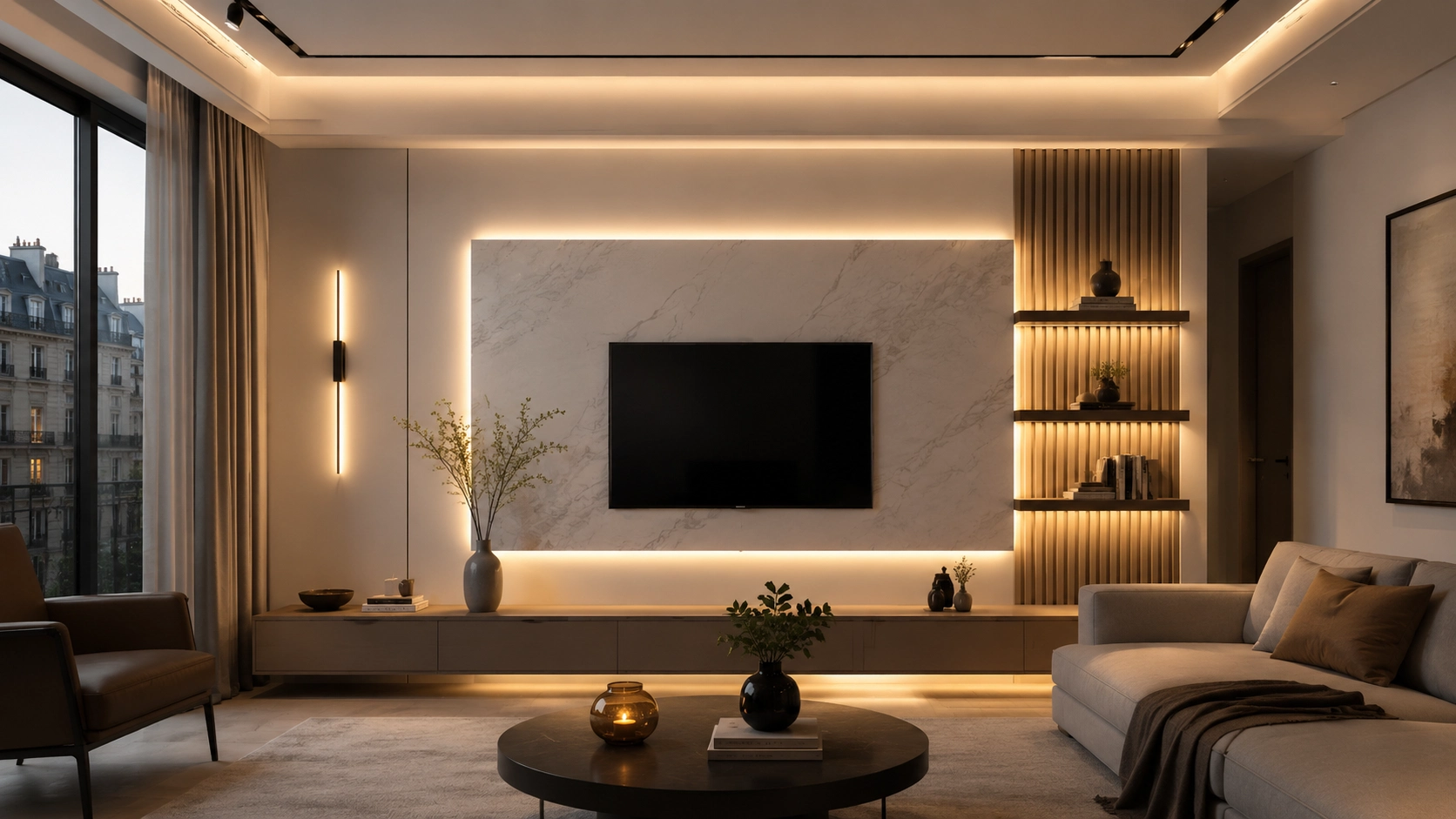
- Behind TVs
- Under floating shelves
- Along ceiling-wall junctions
Benefits:
- Energy efficient
- Highly customizable colors
- Perfect for minimalist interiors
Wall Sconce Lighting
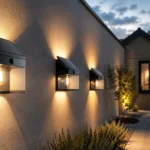
Wall sconces are a timeless design feature widely used in France and the UK.
Best for:
- Hallways
- Bedrooms
- Accent walls
Effect:
Adds symmetry, elegance, and a classic European architectural feel.
Indirect Hidden Wall Lighting
This is one of the most luxurious lighting techniques.
Installed behind:
- Wooden Panels
- False walls
- Decorative gypsum structures
Effect:
Creates a floating wall illusion and soft hotel-style ambiance.
Accent Wall Lighting
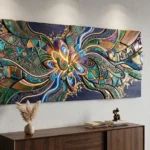
Accent lighting highlights textures and materials.
Works best with:
- Brick walls
- Stone textures
- 3D wall panels
- Canvas art walls
This style is heavily used in modern German minimalist interiors.
Smart Wall Lighting Systems
Smart lighting represents the future of interior design.
Features:
- App control
- Voice control (Alexa, Google Home)
- Adjustable color temperature
- Automation schedules
This system is especially popular in the Netherlands and Sweden, where smart home adoption is high.
Walls with Lighting Ideas by Room
Living Room Wall Lighting Ideas
The living room is where wall lighting creates the strongest impact.
Popular ideas:
- Backlit TV walls
- Warm LED strip behind floating shelves
- Dual wall sconces for symmetry
Focus: luxury + comfort + entertainment
Bedroom Wall Lighting Design
Bedrooms require soft emotional lighting.
Best options:
- Hidden headboard lighting
- Warm LED strips behind panels
- Minimal wall sconces beside bed
Focus: relaxation + calm energy
Hallway Lighting Design
Hallways benefit from structured lighting patterns.
Ideas:
- Linear wall sconces
- Motion-sensor LED strips
- Repeated lighting rhythm
Focus: guidance + elegance
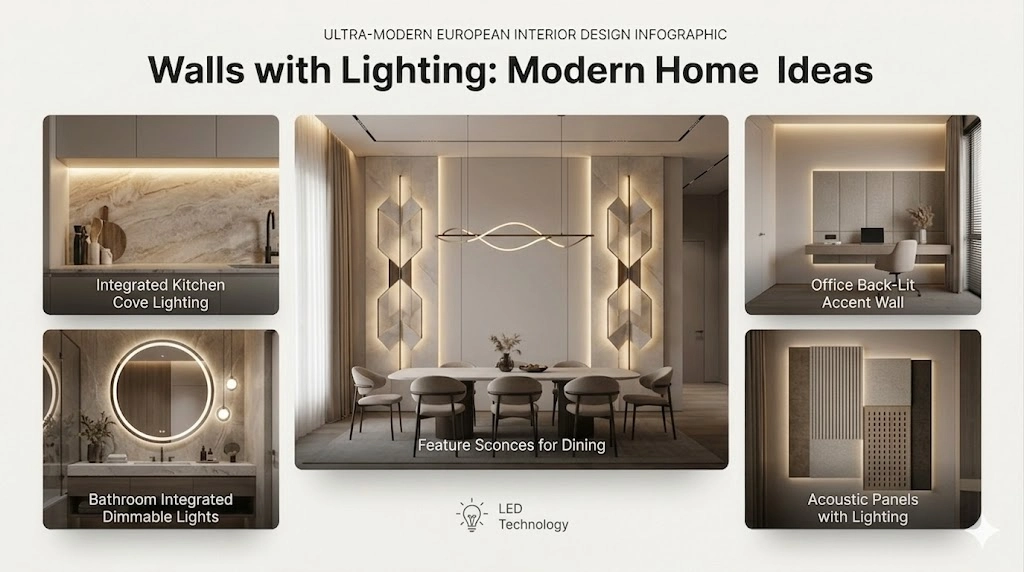
Dining Area Wall Lighting
Dining rooms in European homes often emphasize warmth.
Best lighting styles:
- Warm accent walls
- Decorative shadow lighting
- Art-focused illumination
Focus: social warmth + comfort
Table: Comparison of Wall Lighting Types
| Lighting Type | Style Impact | Best Room | Cost Level | Design Strength |
| LED Strip Lighting | Modern, minimal | Living room, bedroom | Low–Medium | High flexibility |
| Wall Sconces | Classic, elegant | Hallways, bedrooms | Medium | Architectural beauty |
| Hidden Lighting | Luxury, premium | Living rooms | Medium–High | Soft ambiance |
| Accent Lighting | Artistic, bold | Feature walls | Medium | Texture highlight |
| Smart Lighting | Futuristic | Entire home | High | Full control |
European Interior Design Influence
Europe plays a major role in modern lighting aesthetics.
Scandinavian Design
- Clean lines
- Soft lighting
- Minimal clutter
- Natural tones
French Elegance
- Decorative wall sconces
- Warm ambient glow
- Symmetry-focused layouts
German Minimalism
- Functional lighting systems
- Clean architectural integration
- Hidden LED solutions
Italian Luxury Interiors
- Bold accent lighting
- Artistic wall highlights
- Premium materials
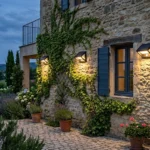
Mediterranean Warm Style
- Warm golden tones
- Textured wall lighting
- Relaxed atmosphere
Expert Tips for Perfect Wall Lighting Design
- Always layer lighting (ambient + accent + task)
- Avoid overly bright LED strips
- Use warm lighting in bedrooms
- Highlight only one feature wall per room
- Combine natural light with artificial lighting
- Hide light sources for premium effect
Common Interior Design Mistakes
- Overusing RGB colors everywhere
- Installing lights without planning wall texture
- Ignoring room proportions
- Using cool lighting in cozy spaces
- Placing lights too low or uneven
Wall Placement & Proportion Guide
Correct placement is essential for balance.
Ideal Rules:
- TV wall lighting: centered and symmetrical
- Bedroom lighting: head-level height
- Hallway lighting: consistent spacing
- Accent lighting: focused, not scattered
Good lighting design always follows structure—not randomness.
Budget vs Luxury Wall Lighting
Budget Options:
- LED strip lights
- Plug-in sconces
- Adhesive smart lights
Luxury Options:
- Built-in hidden systems
- Architectural gypsum lighting
- Integrated smart home lighting systems
Luxury lighting focuses on invisibility of the source and beauty of the effect.
Maintenance & Durability Tips
- Use high-quality LED drivers
- Avoid moisture in wall cavities
- Clean diffuser covers regularly
- Ensure proper ventilation for long lifespan
People Also Ask
A:Walls with lighting enhance mood, depth, and architectural beauty. They transform flat surfaces into dynamic design features.
A:Yes, LED wall lights are highly energy-efficient and flexible, making them ideal for modern minimalist and smart home designs.
A:Behind TVs, along feature walls, or under shelves are the most effective placements for balanced ambient lighting.
A:In many modern European interiors, layered wall lighting can reduce reliance on ceiling lights but is usually combined for best results.
A:Warm white lighting (2700K–3000K) is ideal because it creates a relaxing and calm environment.
Conclusion
Walls with Lighting represent one of the most influential modern interior design trends, reshaping how homes are experienced across Europe and globally. From Scandinavian simplicity to Italian luxury interiors, lighting has become a design material that defines mood, depth, and emotional comfort.
When used correctly, wall lighting does more than illuminate—it creates identity. Whether you choose LED strips, sconces, or hidden architectural lighting, the key lies in balance, layering, and intention.
For homeowners and designers, this trend offers endless creative possibilities to transform ordinary rooms into visually rich, atmospheric spaces.
At TheWallsArt.com, exploring wall design is not just about decoration—it is about understanding how art, light, and architecture come together to shape modern living.