Introduction
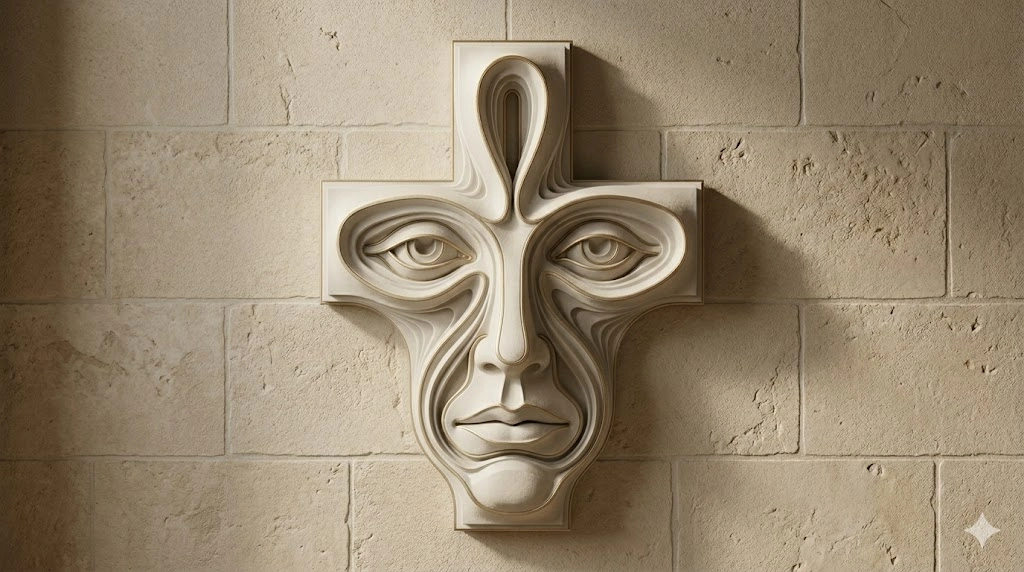
In 2026, 3D wall art decor has evolved far beyond being a simple decorative addition. It has become a powerful interior architecture movement across Europe, reshaping how people experience living spaces.
Modern homes are no longer designed only for appearance. They are designed for emotional experience, comfort, and psychological balance. Because of this shift, flat, lifeless walls are gradually being replaced with textured, sculptural, and dimensional surfaces that add depth and personality.
Across countries like Germany, Italy, Spain, France, and the Nordic region, designers are embracing wall compositions that feel alive rather than static. This transformation is driven by lifestyle changes, mental wellness awareness, and a growing appreciation for tactile environments.
Today’s homeowners want interiors that provide:
- Emotional calmness
- Natural textures and organic surfaces
- Visual depth and layered aesthetics
- A sense of identity and personalization
3D wall art decor fulfills all these expectations by transforming ordinary walls into expressive design features.
This guide explains everything in a deeply simplified yet detailed way, including meanings, materials, styles, placement strategies, advantages, limitations, and future predictions.
What Is 3D Wall Art Decor?
3D wall art decor refers to wall design elements that extend beyond a flat surface or create the illusion of depth through structure, lighting, and material layering.
Unlike traditional wall paint or wallpaper, this design style introduces physical or visual dimensionality that interacts with light and shadow.
Instead of a plain surface, you get:
- Depth and layering
- Sculptural shapes
- Light and shadow interplay
- Textural richness
- Architectural presence
Simple Definition
3D wall art decor is any wall treatment that transforms a flat surface into a visually dynamic, textured, or sculptural feature that enhances spatial perception.
Main Types of 3D Wall Art Decor
3D wall art exists in many forms depending on materials, craftsmanship, and design intention. Below are the most popular categories dominating European interiors in 2026.
Sculpted Plaster Walls
These are carved or molded wall surfaces that create soft flowing patterns.
- Smooth organic curves
- Minimalist texture
- Elegant shadow play
- Artistic wall depth
Wooden Geometric Panels
Wood-based designs are widely used in modern and Scandinavian homes.
- Structured geometric patterns
- Natural grain visibility
- Warm visual comfort
- Eco-conscious appeal
Metal Wall Art Structures
Metal elements introduce boldness and luxury aesthetics.
- Reflective surfaces
- Industrial-modern fusion
- Strong visual contrast
- Premium interior feel
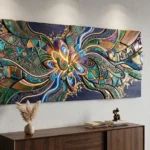
Resin Artistic Layers
Resin designs are highly creative and often customized.
- Transparent depth effects
- Color layering
- Fluid artistic patterns
- Contemporary gallery-like appearance
Stone Texture Installations
Stone-based walls are used in villas and luxury spaces.
- Natural rugged feel
- Earth-inspired surfaces
- Long-lasting durability
- Mediterranean influence
Mixed Media Installations
Combination of materials like wood, metal, plaster, and lighting.
- Highly customized
- Artistic statement pieces
- Museum-style aesthetics
Why 3D Wall Art Decor Is Trending in 2026
The popularity of 3D wall art decor is not accidental. It is deeply connected to evolving human psychology and modern lifestyle needs.
1. Warm Minimalism in Europe
Europe has moved away from extremely cold and sterile minimalism. Instead, the new direction is “warm minimalism.”
This style includes:
- Soft earthy tones
- Natural materials
- Subtle textures
- Balanced simplicity
3D wall art fits perfectly because it adds warmth without creating clutter.
2. Tactile Design Experience
Modern design is no longer only visual—it is sensory.
People now prefer interiors they can “feel.”
Textures create:
- Emotional comfort
- Physical connection to space
- Human-centered environments
3D walls introduce that tactile dimension naturally.
3. Biophilic & Nature-Inspired Design
Biophilic design is one of the strongest European interior movements.
It focuses on connecting indoor spaces with nature.
Common elements include:
- Wood textures
- Stone patterns
- Organic curves
- Natural color palettes
3D wall art mimics natural formations, making spaces feel alive and grounded.
4. Lighting and Shadow Dynamics
One of the most powerful aspects of 3D wall art decor is its interaction with light.
Depending on lighting conditions:
- Morning light creates soft textures
- Evening light enhances shadows
- Artificial lighting adds dramatic depth
This makes walls visually dynamic throughout the day.
Popular Materials Used in 3D Wall Art Decor
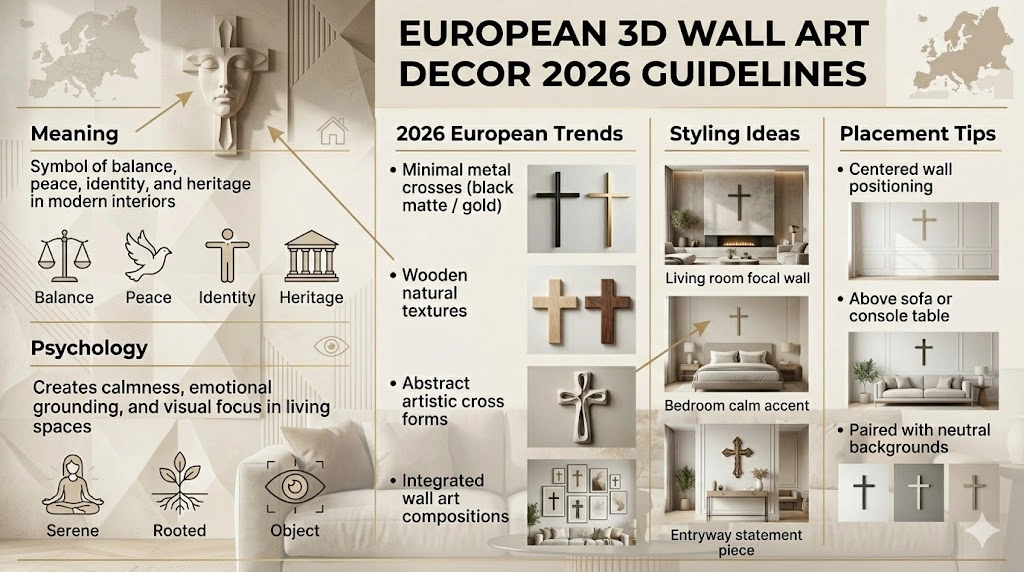
Material selection plays a critical role in determining mood, durability, and aesthetic impact.
Material Overview Table
| Material | Best Use | Visual Effect | Durability | Style Match |
| Plaster | Minimal interiors | Soft shadow depth | Medium | Scandinavian |
| Wood | Cozy homes | Warm texture | High | Nordic |
| Metal | Luxury spaces | Reflective boldness | Very High | Modern European |
| Resin | Artistic interiors | Glass-like depth | High | Italian |
| Stone | Villas | Natural ruggedness | Very High | Mediterranean |
Plaster & Gypsum
Highly favored in Germany and Nordic countries.
- Smooth sculptural finish
- Calm and soft appearance
- Perfect for neutral interiors
Best suited for bedrooms and living rooms.
Wooden Panels
Wood remains one of the most timeless interior materials.
- Natural warmth
- Geometric styling
- Eco-friendly appeal
Ideal for cozy, welcoming environments.
Metal Wall Art
Metal designs represent luxury and modern sophistication.
- Industrial elegance
- Strong reflections
- Bold architectural presence
Used in high-end interiors and modern apartments.
Resin Art Walls
Resin brings creativity and modern artistic expression.
- Glossy layered finish
- Color depth effects
- Unique handcrafted appeal
Often used in artistic homes and studios.
Best Rooms for 3D Wall Art Decor
Correct placement is essential for maximizing impact.
Living Room
The most popular location for 3D wall installations.
- Feature wall behind sofa or TV
- Creates strong visual identity
- Enhances social atmosphere
Bedroom
Used for emotional calmness and relaxation.
- Behind headboard wall
- Soft textures preferred
- Encourages restful environment
Dining Area
Adds elegance and sophistication.
- Warm ambient lighting
- Enhances dining experience
- Creates welcoming environment
Entryway
First impressions matter in interior design.
- Bold statement walls
- Clean structured layouts
- Immediate visual impact
European Interior Design Influence
Europe remains a global leader in interior aesthetics, influencing 3D wall art styles worldwide.
German Design
- Precision geometry
- Functional simplicity
- Neutral color balance
Scandinavian Style
- Light wood tones
- Minimal yet warm interiors
- Cozy atmosphere (hygge concept)
Italian Luxury Design
- Artistic bold expressions
- Premium material usage
- Sculptural elegance
Mediterranean Style
- Earthy warm tones
- Natural stone textures
- Sun-inspired aesthetics
How to Style 3D Wall Art Decor Like a Designer
1: Choose a Single Feature Wall
Avoid overwhelming the space. Focus on one dominant wall.
2: Match Material with Mood
- Calm spaces → wood or plaster
- Luxury interiors → metal or resin
3: Use Proper Lighting
Lighting enhances depth dramatically.
- Side lighting → shadow enhancement
- Warm lighting → emotional warmth
4: Keep Furniture Minimal
Do not block or distract from the wall design.
5: Maintain Neutral Balance
Let the wall remain the hero element.
Common Mistakes in 3D Wall Art Decor
- Overusing textured walls in one room
- Poor lighting setup
- Mixing too many conflicting materials
- Over-decorating small spaces
- Blocking the wall with large furniture
Pros and Cons o
Pros
- Adds architectural depth
- Enhances modern aesthetics
- Improves lighting effects
- Works across multiple styles
Cons
- Higher installation cost
- Requires proper lighting
- Difficult to modify later
- Not suitable for cluttered rooms
Future of 3D Wall Art Decor
Interior design continues evolving rapidly, and wall art is becoming more intelligent and interactive.
Future developments include:
- AI-generated wall textures
- Smart lighting-responsive walls
- Eco-friendly sustainable materials
- Interactive digital wall systems
Walls are expected to become adaptive design surfaces that respond to mood and environment.
FAQs
Yes, but use light colors and simple designs.
Wood and plaster are most popular in Europe.
Yes, lighting is very important.
Yes, it is growing strongly in Europe.
Avoid crowded or very small rooms.
Conclusion
3D wall art decor is redefining modern interior design by transforming plain walls into expressive, textured, and emotionally engaging surfaces.
Across Europe, it has shifted from a decorative concept to a lifestyle-driven design philosophy.
Walls are no longer passive backgrounds. They are now active design elements that influence mood, comfort, and identity inside a home.
As interior trends continue to evolve, 3D wall art will remain a key pillar of modern European aesthetics—where design is not only seen, but also felt.