Introduction
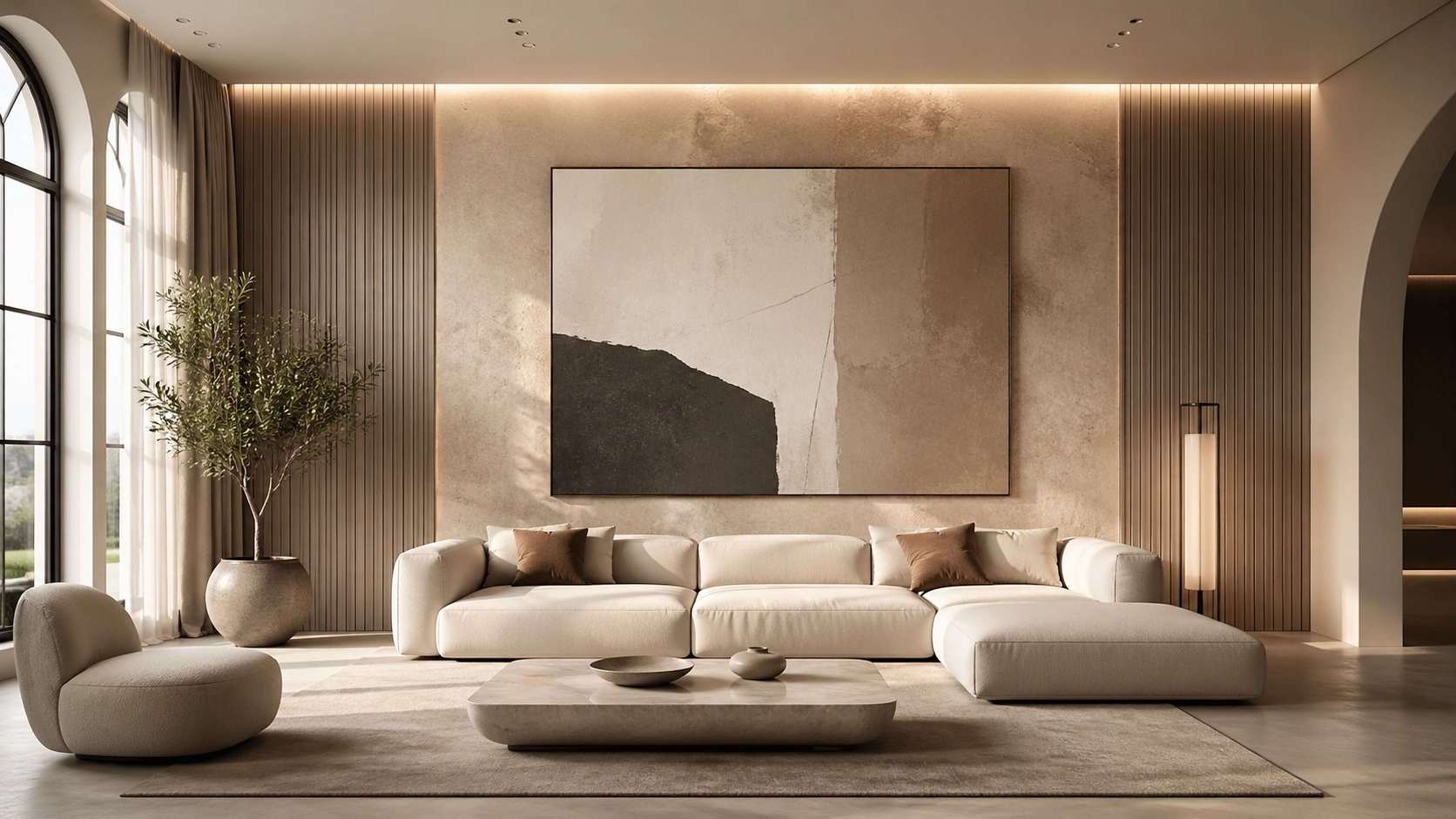
Contemporary wall decor has evolved far beyond simply covering empty surfaces—it now plays a vital role in shaping atmosphere, identity, and emotional experience within a home. In 2026, particularly across European interiors, walls are no longer passive backdrops. Instead, they function as dynamic design features that influence mood, perception, and overall spatial harmony.
Modern homeowners are shifting away from impulsive decoration choices and embracing a more deliberate, thoughtful approach to interior styling. Rather than selecting pieces purely for aesthetic appeal, people are now asking deeper, more intentional questions:
- Does this design represent who I am?
- Does this element create the right ambiance?
- Does this improve the overall spatial experience?
This mindset transformation defines the essence of contemporary wall decor.
Across cities like London, Paris, Milan, and Berlin, interior design trends reveal a consistent movement toward purposeful simplicity, impactful visuals, and emotional resonance. Contemporary wall styling is built on three foundational principles:
- Intentional simplicity
- Strong visual presence
- Emotional depth and connection
This comprehensive 2026 guide will help you master contemporary wall decor with precision and confidence. You’ll discover:
The true meaning of contemporary wall decor
Key differences between contemporary and modern styles
Latest European design influences and trends
Room-specific styling strategies
Professional placement techniques
Psychological impact of wall design
Common mistakes and how to avoid them
By the end, you’ll have a clear, strategic understanding of how to design walls that feel refined, balanced, and visually compelling.
What Is Contemporary Wall Decor?
Contemporary wall decor refers to interior styling that reflects current design movements, evolving aesthetics, and present-day preferences. Unlike traditional or modern design, contemporary style is fluid—it adapts over time and continuously evolves.
What is considered contemporary today may shift significantly in the coming years. This adaptability is what makes the style both powerful and relevant.
Key Characteristics of Contemporary Wall Decor
- Clean, refined lines and structured forms
- Minimal clutter and visual noise
- Emphasis on spatial balance and proportion
- Integration of diverse textures and materials
- Creation of strong focal points
- Neutral palettes with subtle contrasts
The objective is not to fill space excessively, but to elevate it with intention and clarity.
European Design Influence
Contemporary wall decor in Europe is not a single style—it is a sophisticated fusion of multiple design philosophies. Each region contributes unique characteristics that, when combined, create a harmonious and modern aesthetic.
Scandinavian Style
- Soft, light color palettes
- Minimal furnishings
- Highly functional design
Focus: Calmness, simplicity, and clarity
Italian Style
- Premium materials and finishes
- Artistic expression
- Elegant detailing
Focus: Luxury, craftsmanship, and refinement
French Style
- Understated sophistication
- Subtle tones and textures
- Effortless elegance
Focus: Quiet beauty and balance
German Style
- Structured layouts
- Precision and organization
- Functional efficiency
Focus: Order, logic, and clarity
When these influences merge, they create a balanced, elegant, and highly adaptable wall design system.
Contemporary vs Modern Wall Decor
One of the most misunderstood concepts in interior design is the difference between contemporary and modern decor. Many competitors incorrectly use these terms interchangeably, but they represent entirely different design approaches.
Comparison Breakdown
| Feature | Contemporary Wall Decor | Modern Wall Decor |
| Timeframe | Present & evolving | Mid-20th century |
| Flexibility | Highly adaptable | Fixed style |
| Materials | Mixed and diverse | Mostly natural |
| Colors | Neutral + trending tones | Earthy, muted |
| Approach | Trend-driven | Rule-based |
Simple Explanation
- Modern design refers to a specific historical movement
- Contemporary design reflects what is current and evolving
Understanding this distinction not only improves your design decisions but also strengthens your SEO authority significantly.
Why Contemporary Wall Decor Is Trending in 2026
Across Europe and globally, there is a noticeable shift in how people approach interior design. This transformation is driven by lifestyle changes, emotional needs, and evolving design philosophies.
Key Reasons Behind the Trend
1. Rise of Minimalism
People are prioritizing clarity, simplicity, and uncluttered environments.
2. Multi-Functional Living Spaces
Homes now serve as:
- Workspaces
- Relaxation zones
- Social environments
Walls must support all these functions simultaneously.
3. Emotional Well-being
Modern interiors aim to create feelings of:
- Calmness
- Security
- Personal comfort
4. Personal Expression
Instead of copying trends, homeowners seek:
Unique, meaningful environments that reflect individuality
Cultural Shift in Design Thinking
Old mindset:
“Decorate your home”
New mindset:
“Curate your environment”
This shift emphasizes intention, purpose, and emotional alignment.
Top Contemporary Wall Decor Trends 2026
These trends are essential for both SEO performance and real-world design relevance.
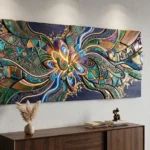
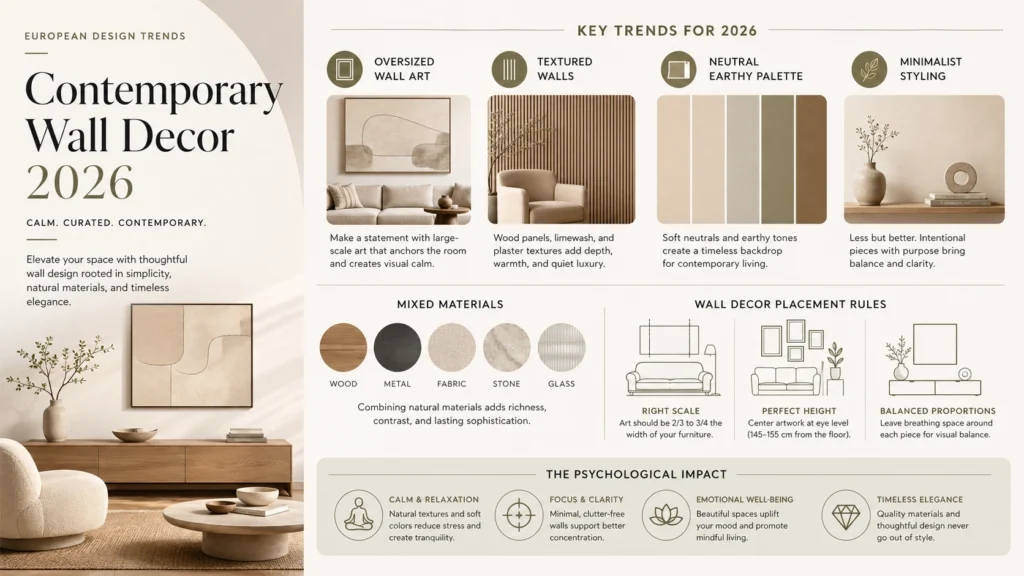
1. Oversized Statement Wall Art
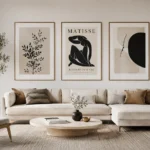
Large-scale artwork dominates modern interiors, often covering 60–75% of wall space. These pieces create a bold focal point and anchor the room visually.
Common in urban apartments across Europe.
2. Textured & 3D Wall Surfaces
Flat walls are being replaced by tactile finishes such as:
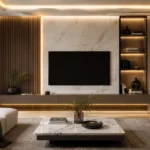
- Limewash coatings
- Wooden slats
- Clay textures
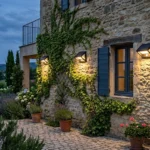
- Stone surfaces
These add depth, dimension, and visual richness.
3. Minimalist “Less But Better” Approach
Instead of multiple decorative items:
- Fewer pieces
- Higher quality
- More breathing space
Inspired by Nordic design philosophy.
4. Neutral + Earthy Color Palettes
Trending tones include:
- Beige
- Taupe
- Olive
- Terracotta
Warm hues are replacing cold, sterile whites.
5. Mixed Material Compositions
Combining materials such as:
- Wood with metal
- Glass with fabric
- Stone with matte finishes
This creates layered complexity and visual contrast.
6. Sculptural & Geometric Panels
Architectural wall features like:
- Wave panels
- 3D structures
- Geometric patterns
Instantly elevate perceived luxury.
7. Mirrors & Reflective Elements
Used to:
- Enhance light
- Expand perceived space
- Add sophistication
Essential for smaller interiors.
Contemporary Wall Decor Ideas by Room
Living Room
Best Ideas:
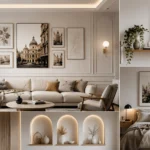
- Large abstract artwork
- Feature textured walls
- Floating shelving systems
Focus: Statement + balance
Bedroom
Best Ideas:
- Soft-toned artwork
- Upholstered wall panels
- Symmetrical arrangements
Focus: Calmness + comfort
Workspace
Best Ideas:
- Black and white prints
- Geometric visuals
- Functional wall panels
Focus: Clarity + productivity
Dining Area
Best Ideas:
- Sculptural decor
- Metallic accents
- Artistic mirrors
Focus: Elegance + interaction
How to Choose the Right Contemporary Wall Decor
Step-by-Step Framework
| Step | Question | Purpose |
| 1 | What is the focal point? | Defines visual attention |
| 2 | What mood do you want? | Sets emotional tone |
| 3 | What size fits best? | Maintains proportion |
| 4 | What materials match? | Ensures cohesion |
| 5 | What suits your lifestyle? | Personal relevance |
Mood-Based Selection Guide
- Calm spaces → soft tones + gentle textures
- Energetic spaces → bold shapes + contrast
- Luxury spaces → layered materials + depth
Always prioritize emotion before decoration.
Contemporary Wall Decor Styling Rules
1. The 60–75% Rule
Artwork width should be proportional to furniture width for balance.
2. Use Negative Space
Empty areas:
- Improve clarity
- Enhance focus
- Add sophistication
3. Align with Furniture
- Horizontal sofa → horizontal artwork
- Vertical wall → tall elements
4. Lighting Integration
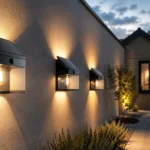
- Spotlights highlight artwork
- Natural light enhances texture
5. Controlled Color Palette
Focus on texture instead of excessive color variation
Mistakes to Avoid
1. Overcrowding
Too many elements create visual chaos.
2. Low-Quality Art
Cheap pieces reduce overall impact.
3. Incorrect Sizing
- Too small → insignificant
- Too large → overwhelming
4. Ignoring Texture
Flat surfaces feel outdated and lifeless.
5. Lack of Focal Point
Creates confusion and weak design flow.
Psychology Behind Contemporary Wall Decor
This is where most competitors fall short—and where you gain a major advantage.
How Wall Design Affects You
- Reduces stress levels
- Enhances concentration
- Improves comfort
- Reflects identity
European Design Psychology
Scandinavian Interiors
Simplicity promotes mental clarity
Italian Interiors
Materials evoke emotional richness
Effective design is not just visual—it is deeply psychological.
Contemporary vs Traditional Decor
| Aspect | Contemporary | Traditional |
| Style | Minimal, evolving | Classic |
| Color | Neutral | Bold |
| Quantity | Minimal | Heavy |
| Focus | Space | Ornament |
Pros & Cons
Pros
- Timeless yet adaptable
- Clean and refined
- Ideal for small spaces
- Emotionally soothing
- Highly customizable
Cons
- Requires careful planning
- Can feel empty if overdone
- High-quality pieces are costly
- Mistakes are more noticeable
FAQs
It is wall decoration based on current trends, focusing on minimalism, texture, and strong visual impact.
No.
Modern is a fixed historical style.
Contemporary changes with time.
Neutral and earthy tones like:
Beige
Olive
Terracotta
Use fewer, larger pieces
Add texture
Maintain balance
Yes. It works even better because it avoids clutter.
Conclusion
Contemporary wall decor in 2026 is not defined by fleeting trends—it is shaped by intentional design choices and thoughtful curation.
The most visually compelling and emotionally resonant homes across Europe follow a simple yet powerful principle:
They are curated, not decorated
This means every element has purpose, every texture adds depth, and every visual decision contributes to a cohesive experience.
When you design with clarity, emotion, and intention, your walls transform from empty surfaces into meaningful expressions of space, identity, and modern living.